
Most people choose a trade for the hands-on work and the paycheck. Fewer realize that many skilled trades careers come with a second act built in: teaching. The welder, automotive technician, or pipefitter who spends years mastering a craft is exactly the person schools, employers, and apprenticeship programs later need to train new workers. If you are weighing a career in the trades and want a path that can grow beyond the job site, the ability to eventually teach is worth factoring into your decision.
This guide explains which trades offer the clearest route into teaching and training, what credentials you need to make the jump, what instructors earn, and how the local job market in Philadelphia supports this path. It is written for high school students, recent graduates, career changers, and veterans who want more than a single job title. Whether your goal is to run a shop, mentor apprentices, or eventually stand at the front of a classroom at a trade school in Philadelphia, choosing a trade with a teaching future gives your career somewhere to go for decades.
Many trades build in a teaching path.
🎓 Experience is the real prerequisite. Most trade instructor and CTE teaching roles are built on years of hands-on work, not an academic degree alone.
📜 Industry credentials open doors. Certifications like the AWS Certified Welding Educator signal you are ready to train the next generation.
💵 Instructor pay is solid. Career and technical education teachers earned a median of about $65,150 in 2025, according to the U.S. Bureau of Labor Statistics.
🏙️ Philadelphia has steady demand. Apprenticeship programs, employers, and schools across the region rely on skilled tradespeople to train new talent.
🚀 It starts with strong training. A solid foundation of hands-on training is what makes a future teaching or mentoring role possible.
Yes. A skilled trade can lead directly to teaching, training, or mentoring roles once you have enough field experience. Trades are taught by people who have done the work, so years spent mastering welding, auto repair, or pipefitting become the foundation for instructing apprentices, new hires, or students at a technical school.
Teaching is not a detour from the trades; it is one of the most natural ways to advance within them. Employers constantly need seasoned workers to onboard new employees. Union apprenticeship programs depend on journeymen to pass down technique. Technical schools hire instructors who can show, not just explain. In every case, the qualification that matters most is demonstrated mastery of the craft. That is why so many skilled trades careers quietly turn into teaching careers in their second or third decade, often with better hours and a different kind of satisfaction.
The trades with the strongest teaching pathways share three traits: they rely on precise, hands-on skill; they have formal certification systems; and they face ongoing worker shortages that keep demand for trainers high. Several of the programs offered at a hands-on trade school fit this profile especially well.

Welding has one of the most defined teaching ladders in the trades. Because welds must be inspected and certified, the field is built around standards, and those standards need instructors. An experienced welder can pursue the American Welding Society’s Certified Welding Educator credential and move into classroom or shop instruction as a welding instructor. The route from entry-level welder to Welding Technology instructor is well traveled, and it rewards the same precision that makes a good welder in the first place. For many, becoming a welding instructor is the clearest example of how a trade turns into a teaching career. For career changers drawn to a craft with a clear teaching future, welding is often the first trade worth considering.
Automotive repair is another trade where experienced technicians are in demand as trainers. As vehicles grow more complex with advanced diagnostics, hybrids, and electric drivetrains, shops and schools need instructors who can teach modern systems. With strong hands-on training and a current skill set, a technician who builds a solid record and earns recognized certifications can move into roles training apprentices or teaching in a program like Automotive Repair Technology. The constant evolution of vehicle technology means seasoned auto pros who stay current have a long runway for mentoring and instruction.
Modern manufacturing is increasingly automated, and that shift has created strong demand for people who can both operate advanced equipment and teach others to do the same. Industrial trainers and line-technician mentors are essential as plants adopt robotics and smart systems. Hands-on training in Manufacturing & Automation prepares workers not only for production roles but for the supervisory and training positions that follow. As automation spreads, the ability to teach new technicians becomes one of the most valuable things a veteran worker can offer.
Mechanical trades such as pipefitting, steamfitting, sprinkler systems, and HVAC rely heavily on apprenticeship, and apprenticeship runs on experienced journeymen who train newcomers. These trades combine code knowledge, safety, and physical skill, all of which must be taught person to person. A tradesperson who masters mechanical systems can advance into roles mentoring apprentices or teaching in a technical program. Because these systems are essential to every commercial building, the demand for skilled workers, and for the instructors who develop them, stays steady across Philadelphia and the surrounding region.
Construction trades like masonry, concrete, and framing have trained apprentices the same way for generations: an experienced hand guides a newer one. These trades are physically demanding, which is one reason an eventual move into teaching or supervising appeals to many workers as their careers mature. A seasoned mason or framer carries exactly the judgment and technique that cannot be learned from a book, making them ideal trainers for the next wave of construction workers.
Not every teaching path runs through a construction site. Central processing and sterile services, which support hospitals and surgical facilities, is a technical field where certified, experienced technicians often become trainers and department leads. As healthcare demand grows, so does the need for people who can teach proper sterilization and instrument-handling procedures. For those drawn to healthcare-adjacent work, this trade offers a stable career with real teaching and leadership potential.
Becoming a trade instructor generally takes three things: significant hands-on experience in your trade, recognized industry certifications, and, for formal school roles, a teaching credential. Experience is the non-negotiable foundation. Most programs want instructors who have actually done the work for years, not just studied it.
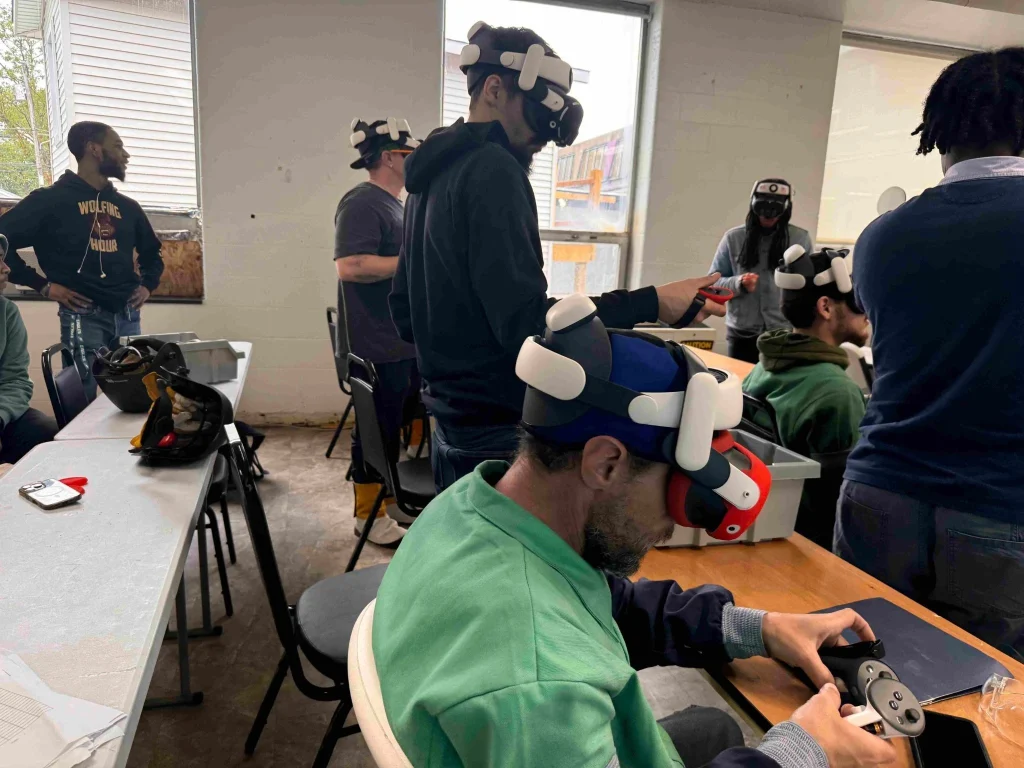
The exact mix depends on where you want to teach. Training new hires inside a company or mentoring apprentices through a union often requires experience and certifications but no formal teaching license. Teaching in a public career and technical education setting usually adds a state certification requirement. Understanding both routes early helps you plan a skilled trades career that keeps the teaching door open.
Industry certifications are often the bridge from doing the work to teaching it. In welding, the American Welding Society offers the Certified Welding Educator (CWE) credential, designed for experienced welders moving into welding instructor roles; it generally requires a high school diploma or equivalent, completion of welding training, and several years of related experience. In automotive, nationally recognized technician certifications establish the credibility instructors need. Across trades, stacking certifications is one of the most reliable ways a worker demonstrates both mastery and readiness to train others. A quality trade instructor usually holds the same credentials they will later help students earn.
To teach in a public career and technical education program in Pennsylvania, instructors typically pursue a Career and Technical Education certificate through the Pennsylvania Department of Education. The pathway is built for industry professionals: it generally begins with an experience-based or intern certificate grounded in documented occupational work experience, then advances to Instructional I and Instructional II certificates as the educator gains classroom service and completes required coursework. Because requirements are periodically updated, prospective instructors should verify current rules directly with the Pennsylvania Department of Education. This is educational information, not legal or licensing advice, so confirm specifics with the state before making decisions.
Career and technical education teachers earned a median annual wage of about $65,150 in 2025, according to the U.S. Bureau of Labor Statistics, with earnings varying by setting, experience, and specialty. The BLS projects little change in overall employment of these teachers through 2035, yet roughly 15,500 openings are expected each year, largely to replace those who retire or move on.
In plain terms, teaching a trade pays a solid, stable wage, and steady openings exist even without rapid growth. Many tradespeople also combine instruction with continued field or consulting work, and pay for training roles inside private industry or union programs can run higher depending on the trade. The financial case for keeping a teaching pathway open is strong: it adds an earning option that does not depend on the physical demands that make some trades harder to sustain into your later working years. That long-term flexibility is part of what makes skilled trades careers so durable.
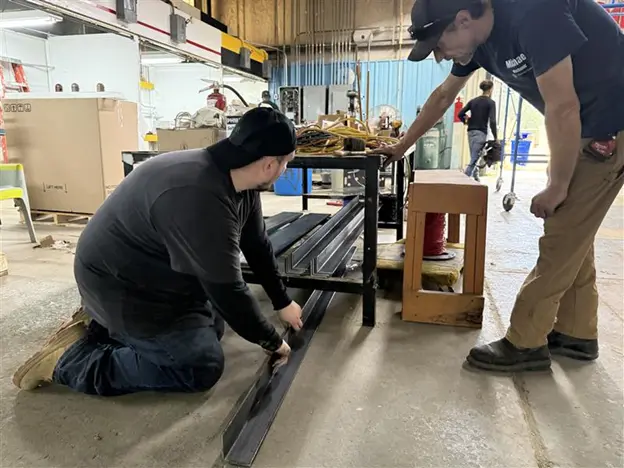
Philadelphia’s economy runs on the trades. Shipbuilding, healthcare construction, infrastructure repair, manufacturing, and building maintenance all depend on a steady supply of trained workers, and that supply has to come from somewhere. Experienced local tradespeople are the people who fill that gap, whether by mentoring on the job, leading union apprenticeship cohorts, or teaching at a technical school.
That regional demand is exactly why starting at a hands-on trade school in Philadelphia positions you well for the long term. The same employer relationships and apprenticeship pipelines that help graduates find their first jobs also create the mentoring and training roles those workers can grow into later. For career changers and veterans especially, a trade that keeps the teaching option open offers something many jobs do not: a clear way to stay in a field you know while shifting toward work that is less physically taxing and highly respected. Across Philadelphia, South Jersey, and Delaware, the professionals who train tomorrow’s workforce almost always started on the tools themselves.
The path to eventually teaching a trade begins with learning it well. Here is a practical sequence that keeps your long-term options open:
Choose a trade with a teaching ladder.
Get strong hands-on training. Enroll at a trade school with real lab time and industry-standard equipment, because instruction later rewards those who truly mastered the fundamentals.
Build field experience. Work in your trade, take on harder jobs, and document your record. Experience is what every teaching role is built on.
Stack certifications. Earn the recognized credentials in your field, then pursue instructor-level certifications like the AWS Certified Welding Educator when you are ready.
Start mentoring early. Train new hires and apprentices on the job. These roles build the teaching skills that formal instruction requires.
Pursue formal teaching credentials if desired. For public career and technical education roles, add the state certification when the time is right.
This sequence is one reason career changers do so well in the trades: the same hands-on training that makes you employable quickly also lays the groundwork for a teaching career down the road. The key is to start with a trade school program that treats skill-building as the priority from day one.
Which skilled trades let you eventually teach or train others?
Welding, automotive repair, manufacturing and automation, pipefitting and other mechanical trades, masonry and construction, and sterile processing all offer teaching and training pathways. Any trade with certification standards and worker shortages tends to need experienced professionals to train the next generation.
How do you become a trade instructor?
You generally need years of hands-on experience in your trade, recognized industry certifications, and, for public school roles, a state teaching credential. Many tradespeople begin by mentoring apprentices or new hires before moving into formal instruction at a trade school.
What certification turns a welder into an instructor?
The American Welding Society’s Certified Welding Educator (CWE) is the primary credential for becoming a welding instructor. It generally requires a high school diploma or equivalent, completion of welding training, and several years of related welding experience, along with passing the required exams.
How much do trade instructors make?
Career and technical education teachers earned a median of about $65,150 per year in 2025, according to the U.S. Bureau of Labor Statistics. Actual pay varies by trade, setting, and experience, and industry or union training roles can pay differently than school positions.
Is teaching a good second career for people in the trades?
For many, yes. Teaching lets experienced workers stay in a field they know while taking on work that is often less physically demanding. It also adds career stability, since steady instructor openings exist even in trades where overall employment is flat.
The best skilled trades careers are not dead ends; they are launch pads. Welding, automotive repair, manufacturing, the mechanical trades, construction, and sterile services all let skilled professionals eventually step into teaching, mentoring, and training roles that keep their expertise working long after the hardest physical years are behind them. Choosing a trade with that kind of future means choosing decades of options, not just a first job. The move from doing the work to teaching it is one of the most respected transitions in any trade, and it starts with building real mastery through quality hands-on training.
If you are ready to begin a trade that can grow with you, explore PTTI’s hands-on programs and contact admissions to find the right starting point for your career.