
Concrete and Masonry careers aren’t limited to bricks and raw materials. It also involves cognitive ability and creativity in architecture . Every tower starts with a foundation. Every foundation starts with someone who knows concrete. That’s why concrete and masonry careers in Philadelphia deserve a serious look for 2027. However, “booming” needs a reality check. The city’s project pipeline looks busy, but national job growth is modest. Here’s what the facts say, so you can decide for yourself.
Let’s start with the building activity. Concrete technicians are not just bricklayers; they are the real minds behind building architecture. They read blueprints, measure, and build structures from scratch. Concrete technicians do all of this. A February 2026 report found 64 major projects in Center City that are finished, under construction, or planned, with $2.14 billion in work completed or underway. The same report says the pipeline is gaining momentum in 2026 after a slowdown linked to the city’s earlier tax abatement.
There’s more on the horizon. Ground-up apartment construction was expected to speed up again in 2026. Additionally, a 36-story, 620-unit tower on the South Philly waterfront aims to break ground in early 2027. The city is also busy. Its capital program office managed more than 300 capital projects in various stages.
Towers, parks, stores, upcoming navigational infrastructure, apartments, sidewalks, and public buildings all need concrete and masonry work. Therefore, local activity creates real openings for trained people.
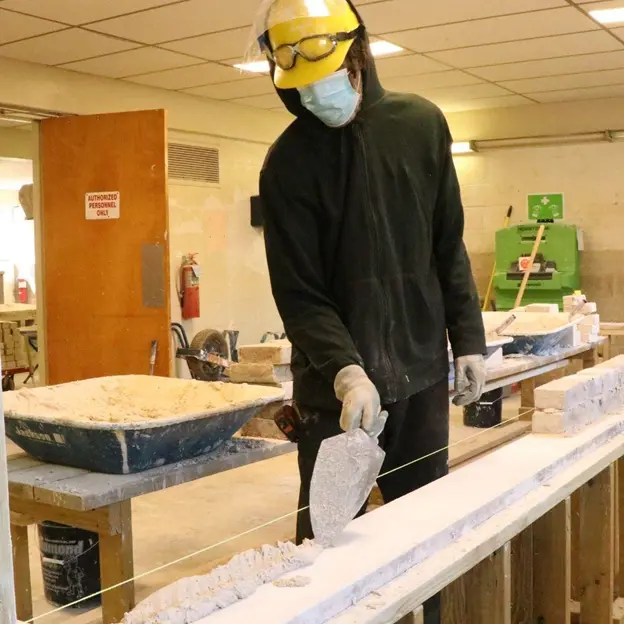
Nationally, the picture here is wide and calm . Every city needs infrastructure, especially those offering many career opportunities and a growing population. The Bureau of Labor Statistics counted about 294,300 masonry jobs in 2024 and projects 2% growth through 2034, slower than average. The median annual wage for masonry workers was $56,600 in May 2024.
Project timelines can also shift. One labor leader warned that budget cuts and contract reductions at the state and federal levels could slow critical projects. Moreover, a broker cautioned that Philadelphia could run out of new buildings because few projects were underway.
| Signs of Strength | Signs of Caution |
| Large Center City project pipeline | Slow national job growth |
| Apartment construction expected to pick up | Project timelines can slip |
| New waterfront tower planned for 2027 | Funding cuts could delay public work |
| City capital projects across neighborhoods | Local wages need checking before you commit |
Overall, “booming” fits Philly’s local activity better than the national numbers. Training and credentials help you compete when work is available.
Concrete and masonry work is physical and skilled. It uses physical strength along with mental and cognitive ability . Cement masons and concrete finishers place and finish concrete. Brick and block masons build walls and structures. Typical tasks include.
Masons typically need a high school diploma or equivalent and learn through an apprenticeship or on the job. Additionally, unions and contractor associations sponsor apprenticeship programs. Training first can make those doors easier to open.
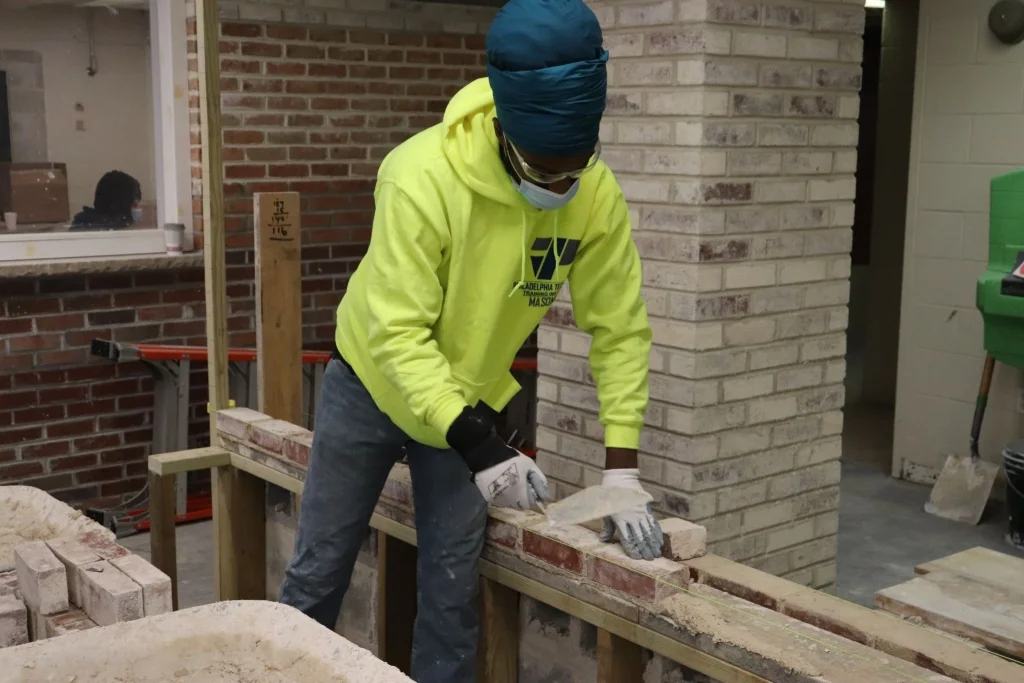
Philadelphia Technician Training Institute (PTTI) offers a Concreting, Masonry, and Framing program. It runs 26 weeks and 900 hours. That includes 200 lecture hours, 500 hands-on shop hours, and 200 externship hours. Students work on blueprint reading, foundations, walls, and floors. The program also includes free OSHA 30 certification and a diploma.
Let’s look at the course curriculum : about 22% lecture, 56% shop work, and 22% externship. Shop time takes the biggest slice.
| Component | Hours | Rough Share |
| Lecture | 200 | ~22% |
| Hands-On Shop | 500 | ~56% |
| Externship | 200 | ~22% |
Note: Confirm current program details and schedules with PTTI before enrolling.
Technical skills matter. It makes you stand out. Employers usually look for:
Don’t worry if math scares you; it’s more than math, as other curriculum will excite you . Basic skills are enough to start, and practice builds them fast.
No school can guarantee you a job. But PTTI claims a strong placement percentage for students. Hiring is the employer’s decision. Pay also varies by employer, union status, and project type. Therefore, check current local wage data before you decide, and ask schools about real outcomes.
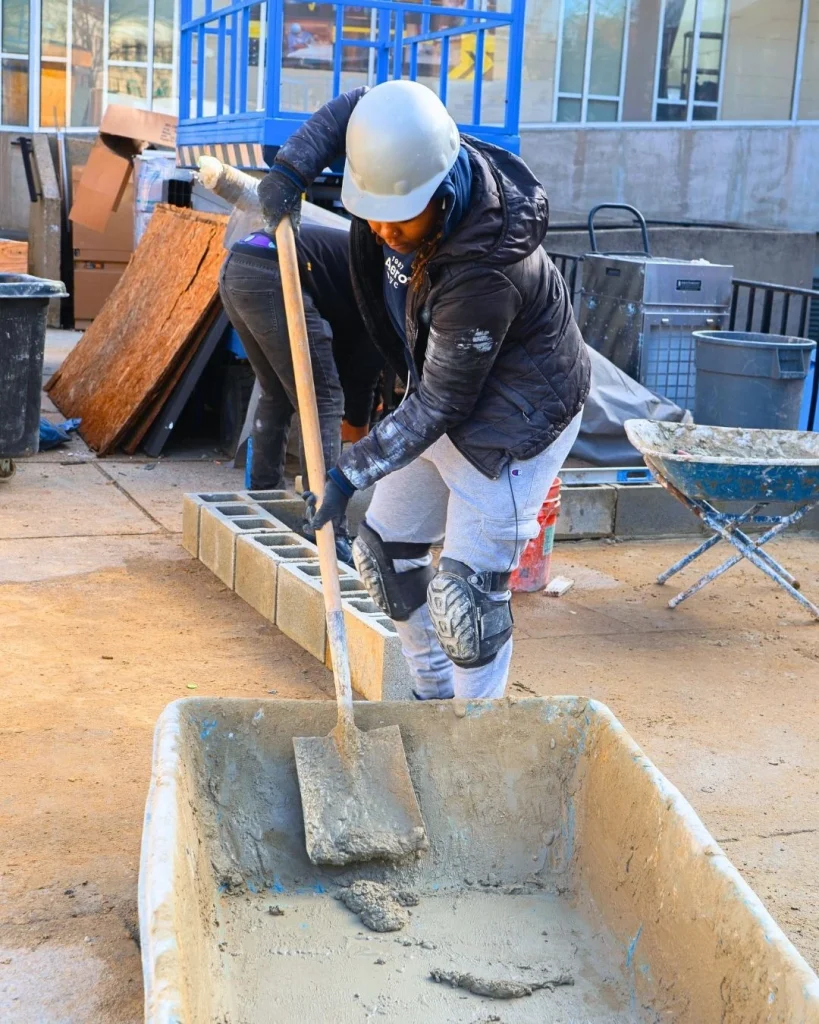
Here’s a simple path:
One step at a time works fine.
PTTI builds hands-on training, OSHA 30 certification, and Job Application Skills coursework into its programs. Finally, the school reports a placement rate near 92% across its trade programs. Ask how that number is calculated. A good school explains it plainly.
Concrete and masonry careers in Philadelphia look promising for 2027 because the city has a lot of building underway and planned. The demand for skilled trade technicians is high. So going ahead with the concrete technician program will be a good choice for the upcoming 2027 academic year for high school students as well. However, national growth is slow, and some projects can shift. Between hands-on training, safety certification, and real work experience, you can prepare for the openings that do come. Overall, the smartest move is to build skills now and stay ready when the next foundation gets poured.
Ready to see what training involves? Call PTTI at 215-381-9403 or email info@ptt.edu to talk with an advisor.
Local building activity looks strong, but national job growth is slow. Check current openings and wages before you commit.
It runs 26 weeks and 900 hours, with 500 hands-on shop hours. Confirm the current schedule with admissions.
No. Masons typically need a high school diploma or equivalent and learn through training, apprenticeships, or on the job.
No school can guarantee a job. PTTI offers career coursework, externships, and employer connections, and reports a placement rate near 92%.
Start with FAFSA (school code 042213), and ask admissions about other options.
Read More: