
Have you ever wondered why two candidates with the same technical training receive different job offers? The answer often has nothing to do with technical ability alone. The Soft Skills for trade jobs in Philadelphia that employers looks for
Across Philadelphia, employers continue to hire candidates who demonstrate strong work habits, communicate effectively, solve problems, and work well with others. While technical knowledge helps you get your foot in the door, your attitude and behavior often determine how far you go.
The Local Employers in manufacturing firms, such as automotive shops, and in the healthcare industry want people they can trust. They want workers to be consistent,communicate clearly, and continue learning every day.
That is why developing soft skills for trade jobs in Philadelphia has become just as important as learning how to weld, repair engines, install electrical systems, or maintain HVAC equipment.
Let’s explore why these skills matter and how they can help you build a successful career.
Check out the programs offered
Technology has changed many skilled trades. Workers now use digital diagnostics, automated equipment, and advanced safety systems every day. However, one thing has not changed.
People still work with people.
Every project requires teamwork, communication, and professionalism. Employers know they can teach someone to operate new equipment. However, teaching responsibility and a positive attitude is much harder.
For this reason, companies often hire applicants who combine technical knowledge with strong employability skills.
Soft skills describe the personal qualities that help people succeed at work.
Unlike technical skills, these abilities apply to almost every job and industry.
Examples include:
These soft skills help employees perform better while creating positive relationships with coworkers, supervisors, and customers.
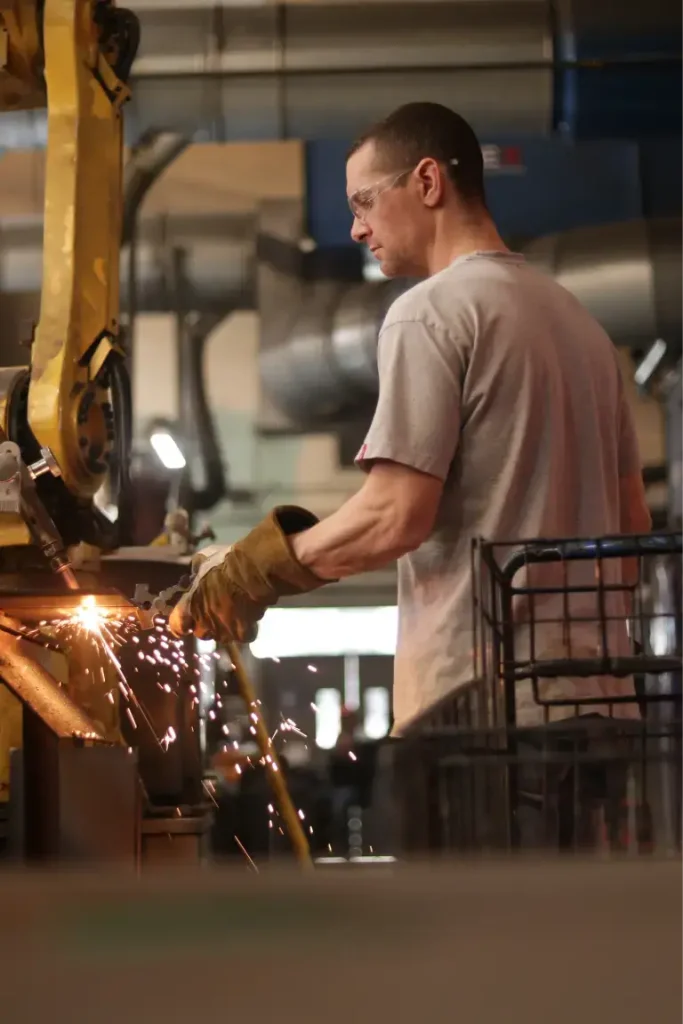
Good communication keeps every job site running smoothly.Whether you become an electrician, welder, plumber, automotive technician, or HVAC technician, you will need to understand instructions, explain problems, and work closely with your team. Strong communication also prevents mistakes that can slow projects or create safety risks.
One of the first things employers notice is whether employees are punctual and dependable. What are his /her commitmnet to work in terms of in and out times . The probability of being committed is very good showing up consistently demonstrates respect for your team and customers.
Many employers say they would rather train someone with a great attitude than hire someone with excellent technical skills but poor attendance.
Every skilled trade relies on collaboration. The Construction crews, manufacturing plants, automotive repair shops, and hospitals all depend on people working together.
However, Employees who cooperate, support coworkers, and solve problems as a team often become valuable members of the organization.
No two workdays are exactly alike. Equipment breaks. Climates being un MaterialsMaterials arrive late. Unexpected challenges happen every day.
Employers appreciate workers who stay calm, think critically, and find practical solutions instead of waiting for someone else to solve every problem.
The skilled trades continue to evolve. Electric vehicles, smart buildings, automation, and new construction technologies require workers who enjoy learning. Therefore, you must be adaptable to the situation. Skilled trades are changing with the new tools and equipment
Students who embrace change often discover more opportunities for career growth.
Professionalism extends beyond wearing the proper uniform.
It includes:
These habits build trust with employers and customers alike.
The best trade school programs in Philadelphia do much more than teach technical skills.
Students participate in real-world projects where they practice communication, teamwork, and leadership every day.
At PTTI, students who are entering the workforce stay aligned with industry norms. However, they are also well trained by mentors not only in skill training but also in work ethics .
Students complete practical assignments that simulate real job sites. They are given such assignments that are widely conducted in industries and companies.
This experience helps them build confidence while developing valuable workplace habits.
Experienced instructors share technical knowledge while teaching students how to communicate professionally and solve workplace challenges.
Students learn punctuality, accountability, and teamwork before entering the workforce.
As a result, they feel more prepared for interviews and full-time employment.
Technical skills help people secure entry-level jobs. Soft skills impress employers and showcase an employee’s determination towards the work culture.
However, soft skills often determine the appraisal cycle. These soft skills demonstrate that the employee is very well-mannered and dedicated to the assigned work. This often builds trust in the company. Workers who communicate well, mentor others, and take initiative frequently move into leadership roles such as:
Coordinates daily tasks and supports team members. This member in the company keeps in close touch with the executive . Know their performance and dedication .
Supervises crews while ensuring projects stay on schedule. The punctuality of projects, through each member’s contribution, is overseen by the foreman. He is the person behind every project deadline and completion.
Oversees operations, manages safety, and communicates with contractors. He is the person who stays in touch with the ground-level workforce at any project . However, he assures that every stage of the project is delivered on time. Skilled Trade programs like sterile processing and welding technician deals with few aspects where philly employers hire skills over degree.
Plans projects, manages budgets, and leads multiple teams. These opportunities for advancement make skilled trade careers rewarding for individuals seeking long-term success.
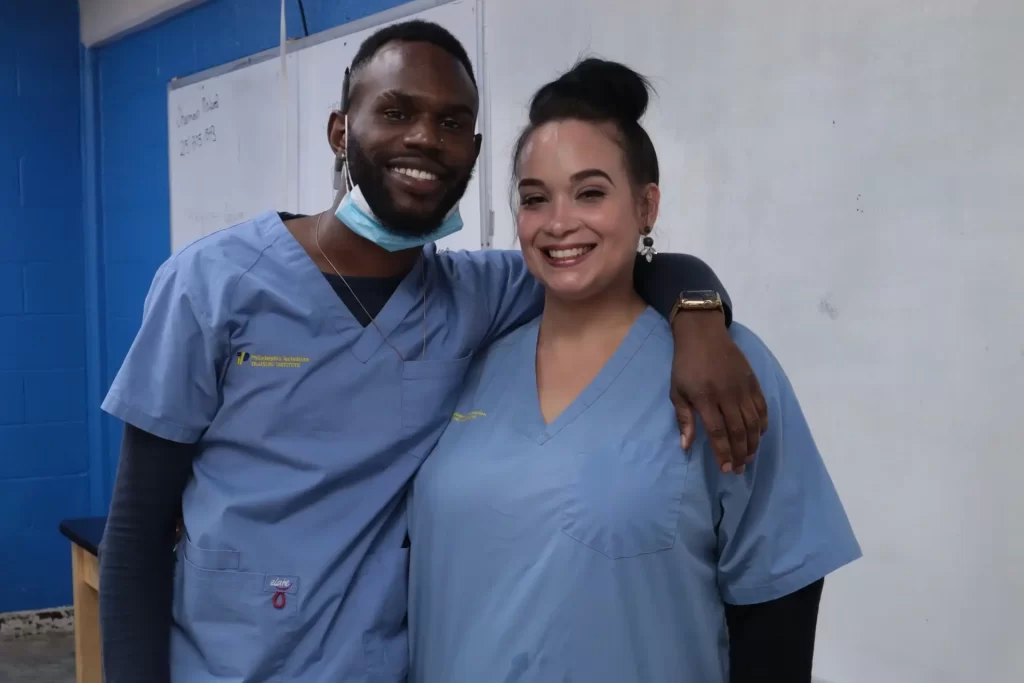
Yes. It definitely does that. This opens various opportunities, such as manager praise, recognition of your soft skills in the workplace, leading to an appraisal, and it also opens the door to various work opportunities.Employers frequently reward those employees with additional responsibilities leads to extra pay and perks.
Workers who consistently demonstrate professionalism often receive:
In many cases, the employee with stronger communication and leadership skills advances faster than someone with technical ability alone.
Fortunately, anyone can improve these abilities. First of all, these skills come from within oneself. That’s the motivation that drives you to work towards something. Apart from skills, all of these are also monitored when you work for any company. You must follow these benchmarks.
Arrive on time every day and stay organized.Small habits build strong professional reputations with your colleagues.
Curiosity demonstrates a willingness to learn.Employers appreciate workers who seek understanding instead of making assumptions.
Offer to help classmates during projects. This will work as one of the personality traits you will be recognized as the kindest and most helpful person in the project.
Leadership begins by supporting others.
Treat instructors, classmates, and employers professionally. At the workplace, you will be noticed by how you treat your clients and customers; customer feedback plays an important role if you are good with them . Chances are high that you will always be preferred.
Positive attitudes leave lasting impressions.
Philadelphia employers need workers who can contribute from day one.
Graduates with both technical expertise and strong employability skills stand out during the hiring process.
Hands-on learning, workplace simulations, and industry-focused instruction help students become job-ready before graduation.
This combination gives employers greater confidence when hiring new team members.
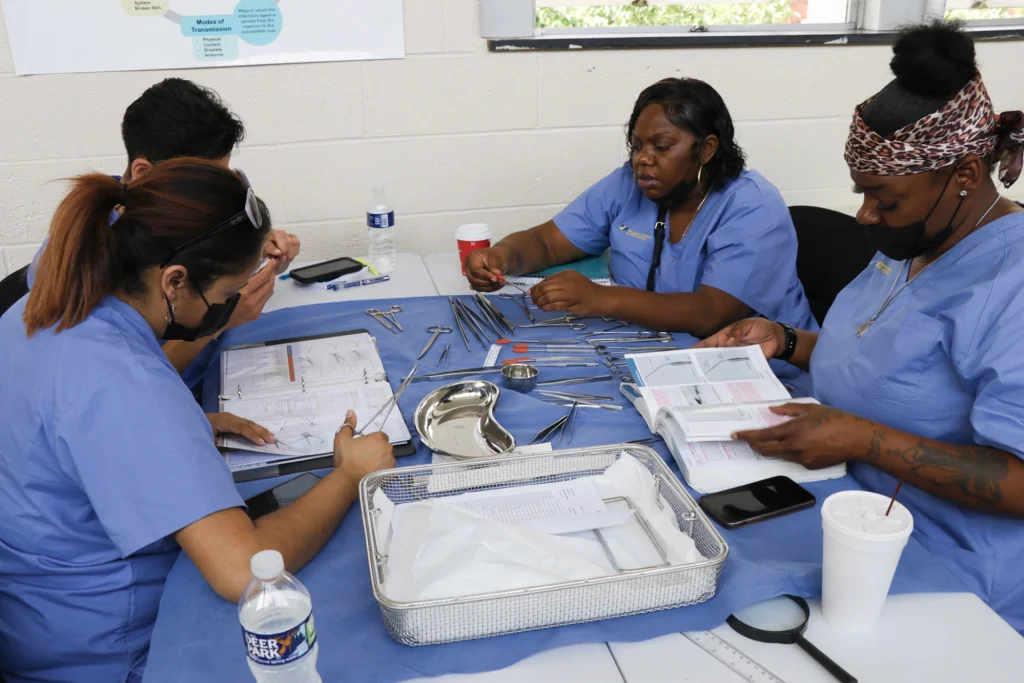
Learning a trade involves much more than mastering tools and equipment.
Success comes from developing communication, teamwork, professionalism, and problem-solving skills alongside technical knowledge.
If you’re considering hands-on trade training, remember that employers are looking for complete professionals not just skilled technicians.
When you combine technical expertise with the right attitude, you position yourself for long-term success in Philadelphia’s growing skilled trades industry.
PTTI prepares students with practical training and the workplace skills employers value most. Explore programs in welding, HVAC, plumbing, automotive technology, electrical, sterile processing, and construction to start building a career with confidence.
The most valuable soft skills for trade jobs in Philadelphia include communication, teamwork, problem-solving, time management, adaptability, and a strong work ethic. Philadelphia employers look for candidates who can work safely, collaborate with others, and handle workplace challenges professionally alongside their technical skills.
Many employers believe technical skills can be taught on the job, but qualities like reliability, professionalism, and communication are harder to develop. That’s why many companies hiring for skilled trade careers prefer applicants who demonstrate strong soft skills and a willingness to learn, even if they do not have a four-year degree.
A quality trade school in Philadelphia prepares students through hands-on projects, teamwork, mock job-site experiences, and instructor mentorship. In addition to technical training, students learn essential employability skills such as leadership, workplace communication, punctuality, and problem-solving that employers expect.
Yes. Workers with strong communication, leadership, and teamwork skills often earn promotions faster than those who rely only on technical abilities. Developing these skills can help you move into roles such as crew leader, foreman, site supervisor, or project manager while increasing your earning potential.
Nearly every skilled trade benefits from strong soft skills. Careers in welding, electrical technology, HVAC, plumbing, automotive technology, construction, and sterile processing all require workers who can communicate effectively, work well with teams, solve problems, and deliver quality results. Combining hands-on trade training with strong interpersonal skills gives graduates a competitive advantage in today’s job market.
Read More :