
Employers hire skilled trades on proof, not promises. They want to see that you can do the work. A diploma helps, but hands-on ability matters far more. This guide breaks down exactly what employers look for in trade school graduates. It covers technical skills, certifications, safety habits, and the soft skills that decide who gets hired first.
If you plan to enter the trades in Philadelphia, this is your edge. Understand what hiring managers value, and you can train for it on purpose.
Employers look for trade school graduates who can perform real tasks safely, read basic plans, hold recognized certifications, and show up reliably. Technical skill gets you in the door. Safety habits, communication, and work ethic keep you there and get you promoted.
That is the short version. The rest of this guide unpacks each piece. You will see why each one matters to employers. You will also see how strong, hands-on training prepares you for all of it.
Ask a hiring manager what they want, and the answer is simple. They want someone who can do the job with little hand-holding. They want a graduate who follows safety rules without being told. And they want a person who shows up on time, every time.
These priorities repeat across every trade. Welding, automotive, pipefitting, HVAC, and sterile processing all share them. So the skills you build in training should map directly to these needs.
Philadelphia has steady demand for skilled trades. Shipyards, hospitals, contractors, and manufacturers all hire year-round. Many experienced workers are retiring soon. That opens doors for trained, job-ready graduates across the region.
Employers from North and West Philadelphia to Camden, Cherry Hill, Drexel Hill, and Darby all draw from the same talent pool. So a graduate who meets employer expectations can find work in many directions at once.
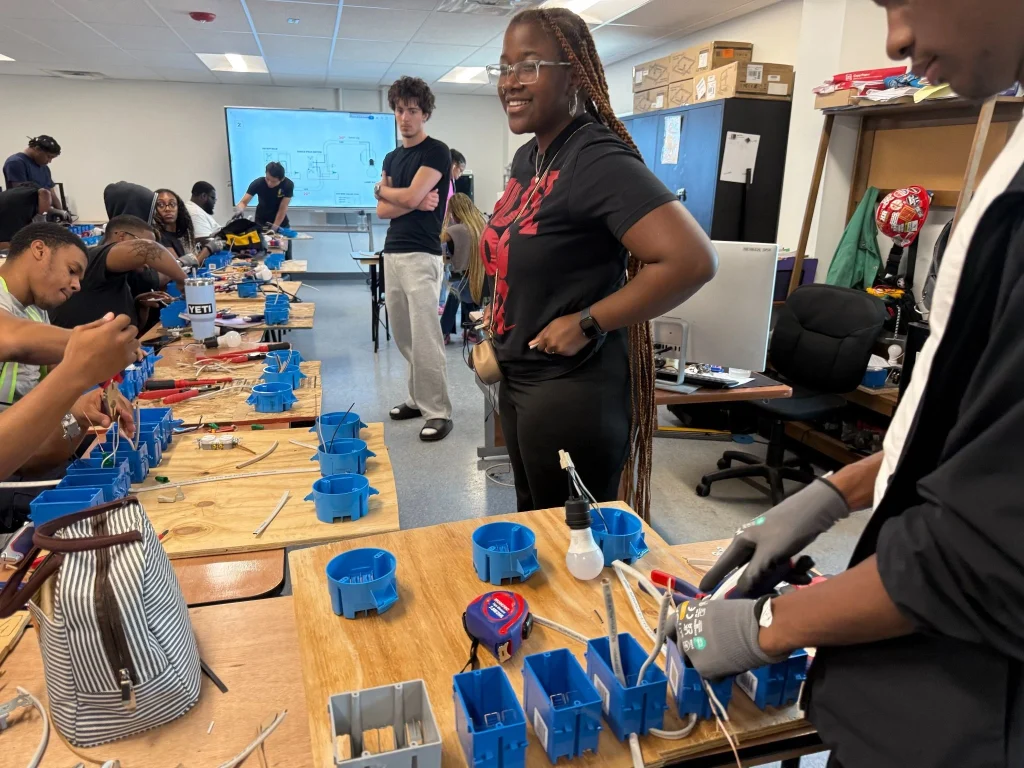
Technical skill is the first thing employers check. They want proof you can perform the core tasks of the trade with confidence and accuracy. In welding, that means laying a sound weld. In automotive, it means diagnosing a fault correctly and completing repairs safely. This is the heart of what employers look for in trade school graduates. Strong hands-on experience also shows that you can work efficiently while following industry standards. The trades are performance-based. Employers rarely ask for a transcript. Instead, they ask you to demonstrate your skills through practical tasks or job tests.
So your training should give you many hours of real practice, helping you build confidence, improve accuracy, and prepare for the demands of the workplace from day one.
Theory matters, but ability matters more. You cannot learn to weld or wire from a screen alone. You build real skill through repetition on real equipment. That is why hands-on trade training beats lecture-heavy or online-only paths.
Employers know this well. They favor graduates who trained on industry-standard tools. So look for a program with strong lab time and modern equipment.
PTTI centers its training on applied practice. Students work in real labs on professional-grade equipment. This is true across programs like Welding Technology and Automotive Training and Repair. The goal is simple. Graduates should be able to do the work on day one.
Employers also want graduates who can read plans. You must interpret a drawing and build what it shows. This skill applies across many trades. It separates a helper from a hire.
Here are core technical skills employers check first:
Programs such as Manufacturing & Automation and Steam, Sprinkler & Pipe Fitting build these skills through real projects. As a result, graduates arrive ready for job-site expectations.
Certifications prove your skill to employers fast. A recognized credential shows that a third party checked your work. It also signals safety knowledge and job readiness. So certifications are a major part of employer expectations in skilled trades.
Many Philadelphia employers screen for specific credentials. Some projects and contracts even require them. This is common in structural welding, pipe work, and healthcare.
A certificate of completion is not the same as a certification. Employers know the difference. They want credentials that carry weight in the field. So strong programs prepare you to earn them, not just finish class.
Certifications can also raise your pay. Certified workers often earn more than uncertified peers. For guidance on which ones matter, PTTI’s overview of top trade certifications is a useful start.
Different trades value different credentials. The table below shows common examples to ask about. Confirm exam prep is built into any program you choose.
| Program Area | Credentials to Ask About |
| Welding | AWS-aligned weld testing, safety credentials |
| Automotive | ASE-aligned certifications, EV/hybrid basics |
| Manufacturing & Automation | OSHA safety, automation credentials |
| Steam, Sprinkler & Pipe Fitting | Safety and trade-specific certifications |
| Concreting, Masonry & Framing | OSHA safety, construction credentials |
| HVAC | EPA and HVAC safety credentials |
| Central Processing & Sterile Services | CRCST-aligned certification prep |
Pick a program that prepares you for the right credentials. The Central Processing & Sterile Services program, for example, focuses on healthcare certification readiness. Meanwhile, the Concreting, Masonry & Framing and Drywall, Framing & Finishing programs build construction-ready credentials. So your training and your target job stay aligned.

Soft skills often decide who gets hired. Two graduates may have equal technical skill. The one who communicates well usually wins the job. So employers weigh attitude and reliability heavily. This is a big part of what employers look for in trade school graduates.
These skills also protect your career. They help you keep a job and move up. Employers notice them within the first week.
Reliability is the most valued soft skill of all. Employers need people who show up on time. They need workers who finish tasks without excuses. In short, they need someone they can count on.
Work ethic follows close behind. Employers reward people who take pride in the work. So build these habits during training, not after.
Trades are team sports on a job site. You must talk clearly with a crew. You must ask questions and take direction well. Poor communication causes costly mistakes.
Employers also value problem-solving under pressure. Things go wrong on real jobs. A calm, clear worker keeps the project moving.
Good programs teach soft skills through real teamwork. Students work in crews on shared projects. They practice safety talks, handoffs, and communication. PTTI reinforces these habits from enrollment through employment, as its student support model shows. As a result, graduates arrive with more than technical skill.
Safety awareness is not optional to employers. It is a hard requirement on every job site. One unsafe worker can put a whole crew at risk. So hiring managers screen for safety habits closely.
Employers want graduates who follow safety rules by default. They want people who use protective gear without reminders. This mindset signals maturity and job readiness.
Trade work carries real hazards. Welders face heat, sparks, and fumes. Construction crews work at heights and around heavy loads. So employers treat safety as a core skill, not a side note.
A safety-first worker also lowers costs. Fewer accidents mean fewer delays and claims. That value is obvious to any employer.
Strong programs build safety into daily practice. Students learn protective equipment and safe procedures early. They practice them on every project, not just once. This habit-building is central to how PTTI prepares graduates for employer expectations.
Common safety skills employers expect include:
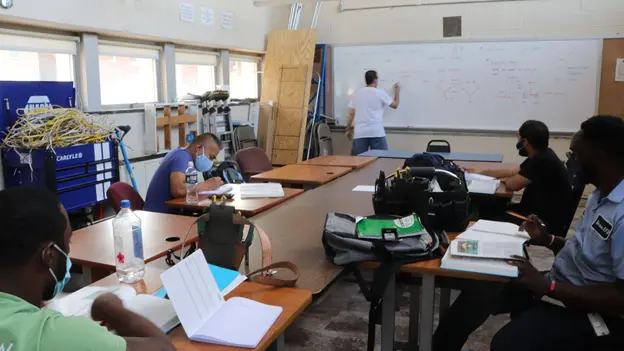
“Job-ready” has a clear meaning to employers. It means you can perform core tasks on day one with confidence. It means you need little supervision to start. And it means you already know the safety basics. Understanding this is key to what employers look for in trade school graduates.
A short program is only valuable if it delivers these practical skills. Speed means nothing without real skill. So, press any school on what “job-ready” truly means before you enroll.
Job-ready is about doing, not just knowing. You should pass a real skills test at the end. You should read basic plans without help. And you should meet safety standards on your own.
Employers also value certification readiness. A credential proves you reached the standard. So job-ready and certified often go together.
The first 90 days shape your reputation. Employers watch how fast you adapt. They notice your reliability and your attitude. Strong training makes this stretch far smoother. PTTI’s look at how students build careers before graduation shows how early readiness pays off.
Follow these steps to become the graduate employers want:
PTTI builds its training around real hiring needs. Every program focuses on applied, hands-on skill. Students train on industry-standard equipment in real labs. This is exactly what employers look for in trade school graduates across Philadelphia.
The result is a graduate who can contribute fast. That value is why employers keep hiring trained talent. It also explains the region’s strong demand for skilled workers.
PTTI’s programs map to real jobs in the region. Welding, automotive, manufacturing, pipefitting, HVAC, and construction all lead to demand. You can explore every option on the programs page. Each one builds the skills employers actually test for.
Employers also value multi-skilled workers. A graduate with broad, related skills stands out. PTTI’s take on why employers prefer multi-skilled trades workers explains this trend well.
Training is only half the journey. Getting hired is the other half. PTTI supports students through career and job opportunities and interview readiness. This support connects graduates to real employers in the area.
Strong career services include resume help and interview prep. They also include employer connections and guidance. To see how this works locally, read about getting hired\ in Philly through trade school
Employers respond differently to different training paths. Hands-on trade training earns the most trust. It proves you can do the work, not just discuss it. So the path you pick shapes how employers see you.
Speed and cost also favor the trade route. You start earning far sooner than a four-year path. And you graduate with the exact skills employers screen for.
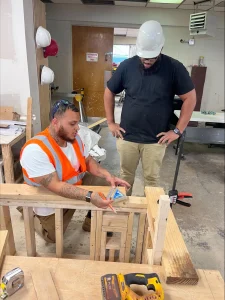
College takes years and often heavy debt. Earning usually comes much later. Trade school compresses that timeline sharply. You gain job-specific skills in months, not years. For many students, trade school over traditional college is the faster route to a stable career.
Online courses teach theory, not hands-on skills. You cannot build muscle memory through a screen. Self-teaching also lacks certification prep and employer ties. Employers notice these gaps during a skills test. So structured, hands-on training remains the safest bet for employability.
According to the U.S. Bureau of Labor Statistics, many skilled trades stay in steady demand through replacement hiring. Trained, certified graduates are well positioned to fill that need.
Knowing what employers look for in trade school graduates gives you a real advantage. You can now train for those exact skills on purpose. Hands-on ability, certifications, safety, and reliability all open doors. So choose training that builds every one of them.
PTTI is built for this goal from day one. Explore all programs, start your admissions journey, or schedule a campus tour to see the labs. When you are ready, contact admissions to take the next step. Your skilled trades career can start this year.
Employers want graduates who can perform core tasks safely and reliably. They value hands-on skill, blueprint reading, recognized certifications, and strong work habits. PTTI builds all of these through applied, industry-aligned training in Philadelphia.
Technical ability comes first, followed closely by safety awareness and reliability. Communication and teamwork also rank high with hiring managers. Hands-on trade training at PTTI develops these skills together, so graduates arrive job-ready.
Yes. Certifications prove your skill to employers quickly and can raise your pay. Many Philadelphia jobs and contracts require recognized credentials. PTTI’s programs are designed to prepare students for the certifications employers expect.
Strong trade schools focus on hands-on practice, safety habits, and certification readiness. They also offer career services and job placement support. PTTI combines applied training with employer connections to help graduates get hired in the region.
A job-ready graduate performs core tasks with little supervision on day one. They read basic plans, follow safety rules, and meet certification standards. PTTI’s applied programs are built to reach this standard, not just complete coursework.