
Many people reach their 40s and begin thinking about a career change. Some are tired of working jobs with little room for growth, while others want more stability, better pay, or a more rewarding profession. If you find yourself in that position, you’re not alone.
The good news is that starting over doesn’t mean starting from scratch. In fact, many adults successfully transition into the skilled trades later in life and build long-lasting careers. If you’ve been researching pipefitters in Philadelphia at 40, you’ll be happy to know that age is rarely a barrier in this industry.
Pipefitting is a hands-on profession that offers steady demand, competitive wages, and opportunities for advancement. With the right training and commitment, you can enter the field and begin building a stable future.
Career changes are becoming increasingly common. Many workers are realizing that a college degree and an office job do not always guarantee financial security or job satisfaction.
Pipefitting offers a different path. Pipefitters help install, maintain, and repair piping systems used in commercial buildings, industrial facilities, manufacturing plants, hospitals, and construction projects. These systems are essential for transporting water, steam, gas, and other materials safely and efficiently.
Because these systems are critical to daily operations, skilled pipefitters remain in demand across many industries.
A pipefitter career in Philadelphia often provides:
For many adults, these benefits make the transition worthwhile.
One of the most common concerns people have is whether they are too old to enter the trades.
The answer is simple: absolutely not.
Employers often appreciate mature workers because they bring qualities that younger candidates may still be developing. Life experience can be a major advantage in the workplace.
At 40, you likely already possess important skills such as:
These traits are highly valued in the pipefitting industry. Many employers would rather hire someone dependable and eager to learn than someone younger who lacks commitment and work ethic.
Before beginning your journey, it’s important to understand what pipefitters actually do.
Pipefitters work with complex piping systems that transport liquids, gases, and other materials. They read blueprints, measure materials, assemble piping systems, and ensure everything functions safely and efficiently.
Daily responsibilities may include:
The work is active, practical, and constantly changing, making it an appealing career for people who enjoy working with their hands.

One of the fastest ways to enter the industry is through pipefitting training programs in Philadelphia. Institutions such as PTTI focus on helping students develop practical skills that employers are actively seeking.
Unlike traditional college programs that include years of general education courses, technical programs focus on career-specific knowledge and hands-on learning. Students learn real-world skills that prepare them for entry-level opportunities in the field.
This approach allows adults to transition into a new profession much faster than pursuing a traditional degree.
Many successful pipefitters begin their careers by completing technical training recognized and respected by Philadelphia employers.
Training provides the foundation needed to work safely and effectively in the field.
Students typically learn:
Understanding construction plans and technical drawings is essential to pipefitting.
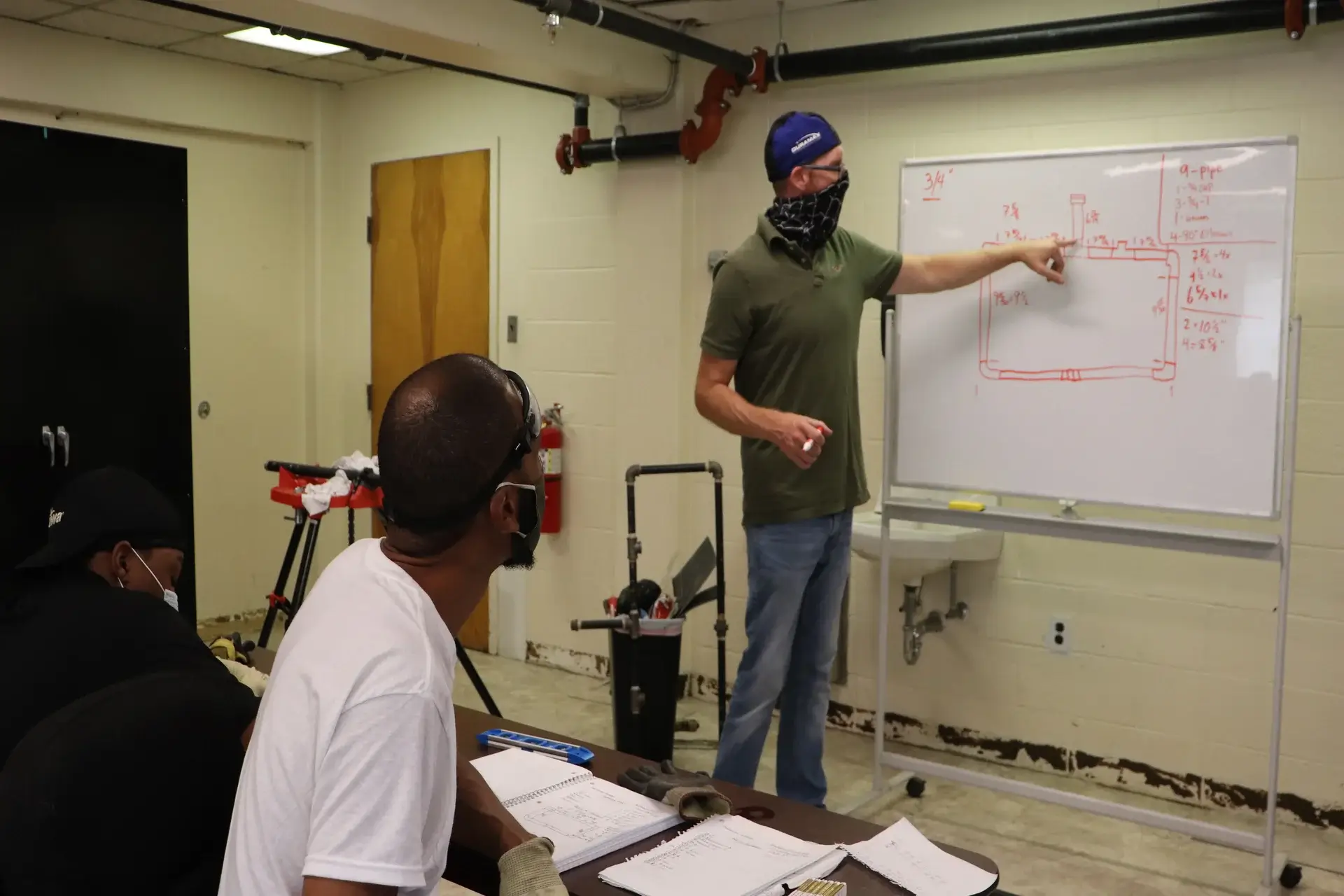
Accuracy is critical when working with piping systems. Students learn how to measure, mark, and prepare materials correctly.
Hands-on instruction helps students understand how to properly assemble and install piping systems.
Safety is one of the most important aspects of any skilled trade. Students learn industry standards and safe work practices.
Training includes experience with many of the tools and equipment used on real job sites.
By combining classroom instruction with practical learning, students gain confidence before entering the workforce.
One of the biggest advantages of pipefitting training programs in Philadelphia is the emphasis on hands-on education.
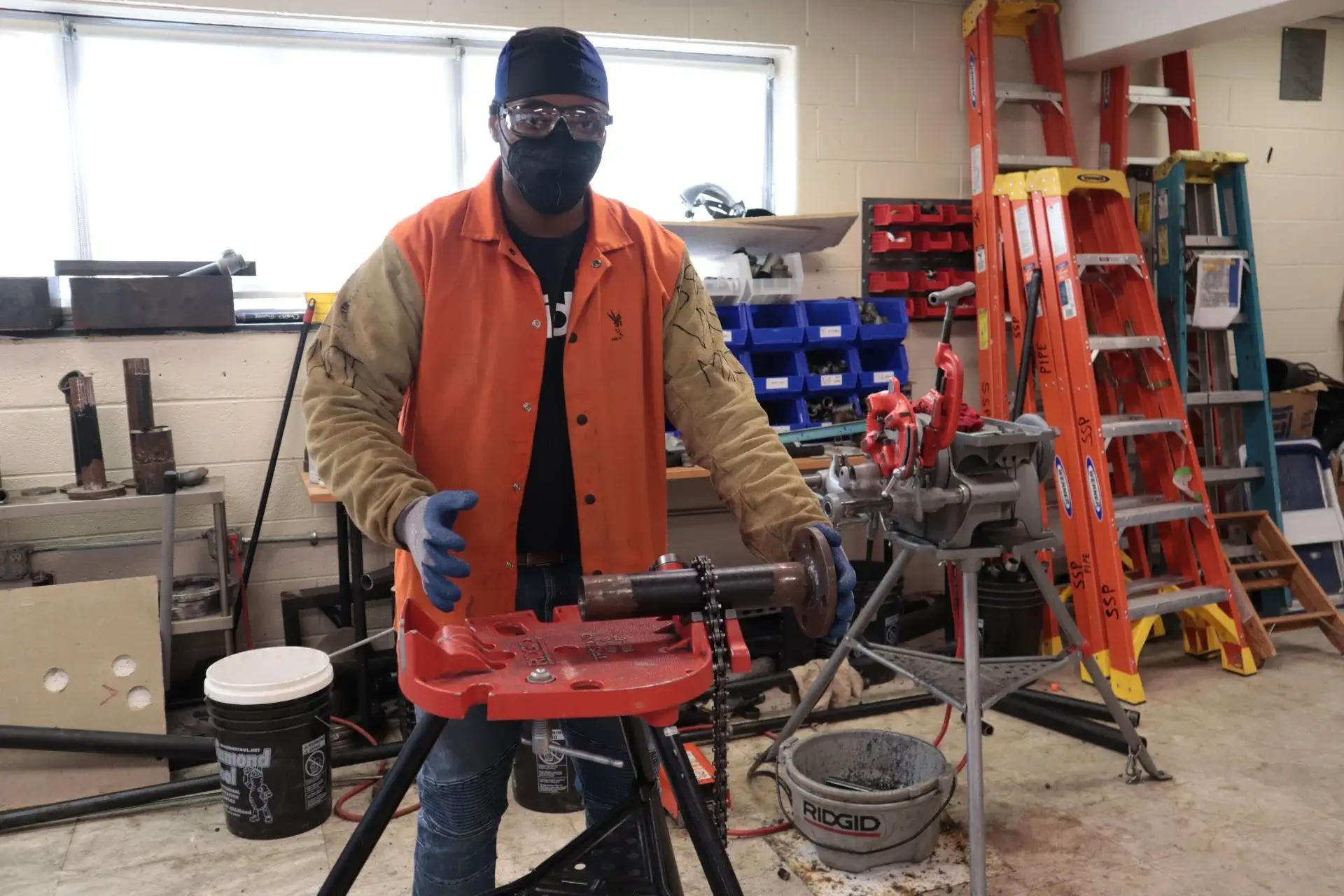
Many adults learn best by doing rather than simply reading from textbooks.
Students spend time working with tools, materials, and equipment similar to what they will encounter on the job.
This practical experience helps bridge the gap between training and employment.
As skills improve, confidence grows, making the transition into a new career much smoother.
After completing training, graduates can pursue a variety of entry-level opportunities.
Many employers seek workers who have received formal technical education and understand the basics of pipefitting.
New professionals may find opportunities in:
These environments provide valuable experience that helps workers continue building their skills.
Philadelphia continues to experience demand for skilled trade workers.
Construction projects, industrial development, healthcare expansion, and infrastructure improvements all contribute to the need for qualified professionals.
At the same time, many experienced tradespeople are reaching retirement age.
This combination creates opportunities for newcomers entering skilled trades careers, which Philadelphia employers are actively trying to fill.
For adults considering a career change, this demand can make it easier to find opportunities after training.
Many people who are changing careers want more than just a paycheck. They want stability.
Pipefitting offers that stability because piping systems are essential in many industries.
Buildings require heating and cooling systems. Factories rely on process piping. Hospitals need complex mechanical systems. Construction projects require skilled professionals to install and maintain these systems.
Because these needs continue regardless of economic conditions, pipefitters often enjoy strong job security.
This is one reason why skilled trades careers in Philadelphia remain attractive year after year.
Success in pipefitting isn’t based solely on technical ability.
Certain personal qualities can make a big difference:
Small mistakes can create major problems. Accuracy matters.
The work often involves standing, lifting, and moving throughout the day.
Every project presents unique challenges that require creative thinking.
Pipefitters frequently work with supervisors, contractors, and team members.
The best professionals continue improving their skills throughout their careers.
Fortunately, many adults already possess these strengths through prior work experience.
Many people considering a career change worry about income. The good news is that a pipefitter career in Philadelphia can offer strong earning potential over time.
Unlike many professions that require expensive college degrees, technical training programs often cost less and take significantly less time to complete. This means students can enter the workforce sooner and begin earning income more quickly.
Additionally, as skills and experience increase, earning opportunities often grow as well.
Making a career change at 40 can feel overwhelming.
You may wonder:
These concerns are completely normal.
However, many adults discover that their maturity, work ethic, and determination actually help them succeed in the skilled trades.
The key is focusing on the opportunities ahead rather than worrying about your age.
Every successful career change begins with a single decision.
If you’re serious about learning how to become a pipefitter in Philadelphia at 40, the best place to start is by exploring training opportunities and speaking with admissions representatives about available programs.
The sooner you begin learning, the sooner you can build new skills and create opportunities for yourself.
Changing careers at 40 may seem challenging, but it can also be one of the most rewarding decisions you make. Pipefitting offers an effective route into an industry that values skill, dedication, and reliability.
With quality pipefitting training programs in Philadelphia, hands-on learning opportunities, and growing demand for workers, adults have a realistic chance to build successful futures in the trades.
If you’re looking for a stable profession, better earning potential, and meaningful work, learning how to become a pipefitter in Philadelphia at 40 could be the first step toward a more hopeful future. Through technical training, Philadelphia employers value the opportunities available in skilled trades careers. A rewarding new phase may be closer than you think.
Start Building Your Future Today
Read More: