
Philadelphia is one of the most economically divided cities in the United States. The median household income for Black residents is $35,000, compared with $62,000 for white residents. Nearly one in four Philadelphians (23.8%) live below the poverty line, more than double the national rate. And if you’re a young Black person in this city trying to figure out what’s next, that’s the world you’re navigating everyday.
PTTI trade careers for Philadelphia youth are giving young people from the toughest blocks in this city a direct path into stable, well-paying work without completing 4 years degree course. You will be well trained in just 26 weeks.
Talk to a PTTI Admissions Advisor Today —
Black Philadelphians are unemployed at more than double the rate of white residents in the city. Gen Zers between the ages of 16 and 19 are over four times as likely to be unemployed as those over 25. The city’s overall poverty rate may be dropping but the racial gap is stark: 13% for white households, 25% for Black households.
According to a data Just 16% of children born into poverty in Philadelphia are expected to escape it by their late 20s. Moreover, an estimated 15% of youth between the ages of 16 and 24 are “Opportunity Youth” — those not enrolled in any formal educational programs and without access to employment. Half or more of these youths are living in poverty.
Those are real people on real blocks in North Philly, West Philly, Kensington, and Germantown. People with talent, drive, and potential are blocked by systems that weren’t designed with them in mind. And that’s exactly where PTTI trade careers for Philadelphia youth step in.
The Traditional system hasnot been working because ,it is assumed that young people aren’t smart enough. It’s not that they don’t want to work. The system has real structural problems that have nothing to do with individual effort.
Corporate office jobs are becoming scarcer because of the rapid advancement of artificial intelligence. Hiring is slowing because companies are hesitant and workers aren’t leaving their jobs which means fewer openings at the entry level.
At the same time, the college route has its own trap. Students commonly leave traditional four-year schools with tens of thousands of dollars in debt. For families living on low incomes, the financial load can be utterly devastating.
In 2025, a bachelor’s degree is kind of like a high school diploma and getting a master’s degree is kind of like getting a bachelor’s degree. Therefore, when a young person from North Philly doesn’t have $40,000 a year for college and doesn’t have the professional network that helps college graduates land corporate jobs they’re effectively locked out.
Systemic hurdles have historically prevented access to high-paying corporate pipelines. But a dedicated Black worker can bypass those gatekeepers entirely by pursuing a skilled trade in Philadelphia.
Trade school education is basically hands-on training that focuses on learning by actually performing the work with your hands, using real tools, machines, and current technology. . No general education requirements that eat your time and money. Just the skills employers are paying for right now.
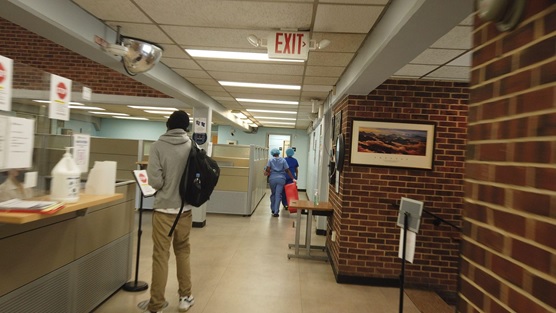
And here’s what matters most for trade school for underserved communities in Philadelphia: the barrier to entry is low. Therefore, you don’t need a high school diploma; the only duration required is six to twelve months, and the willingness to show up every day and learn.
PTTI isn’t a school that was designed for people who already have everything figured out. It was designed for people who haven’t had everything handed to them and who need training that works in the real world, not just on paper.
Here’s what PTTI career programs with job placement actually deliver:
| PTTI Feature | What It Means for You |
| 80% hands-on training | You leave knowing how to do the job, not just read about it |
| Programs in 6–12 months | You start earning before college students finish year one |
| 92% job placement rate | Real employers, real offers, real jobs |
| Career services built in | Resume, interviews, employer connections — all included |
| Financial aid through FAFSA | School code: 042213 — grants and loans available |
| No prior experience needed | You start from scratch and build from there |
Additionally, PTTI’s programs are specifically targeted at fields where Philadelphia employers are actively hiring.
One of the biggest myths in Philly’s underserved communities is that trade school is just as expensive as college. It’s not. Not even close. Overall ,The average cost of a trade school program in Philadelphia generally ranges from $5,000 to $20,000 depending on the length and specialization.
Moreover, completing the FAFSA is the crucial first step, unlocking federal aid such as the Pell Grant, which can provide up to $7,395 for eligible programs. State aid via the Pennsylvania Higher Education Assistance Agency (PHEAA) plays a vital role, with programs such as the Pennsylvania Targeted Industry Program (PA-TIP) providing funding aligned with local job demands in healthcare and manufacturing.
PTTI accepts FAFSA school code 042213. Veterans’ education benefits are also accepted. Institutional financing and payment plans are available too.With an accelerated trade school education, one can get industry-recognized occupational certifications and graduate faster — so they can start the highest-paying trades straight away.
Therefore, that’s vocational training financial aid in Philadelphia working the way it should — removing the money barrier so the only thing that stands between a young person and a career is their own effort.
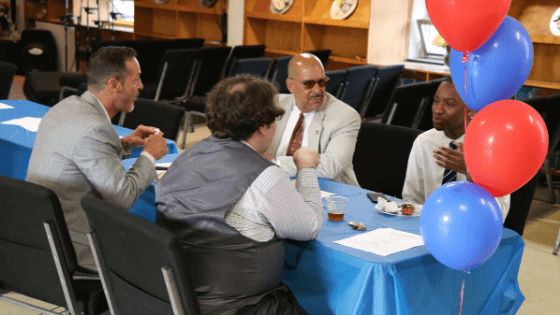
However, As industries across construction, manufacturing, automotive repair, electrical work, welding, HVAC, and pipefitting continue to face skilled labor shortages, vocational education is opening doors to stable, well-paying careers.
Local firms are struggling to recruit enough competent people to fill key roles. They invest in the people who show up ready.
The skilled trades economic opportunity for Black youth in Philadelphia right now is real, measurable, and available. Modern trade school education programs train you for the local employment market, with growth opportunities and this keeps talented young people working right here in their own town, which cuts down on the local unemployment rate.
However,That means staying in your community. Building in your neighborhood. Additionally, Earning right here, instead of leaving to find opportunity somewhere else.
PTTI’s Career Services team begins working directly with them. That means resume writing built specifically for the trade they’ve trained in. Real interview coaching with actual feedback. Career identification matches their skills to the right employers. And direct introductions to companies across Philadelphia that are already hiring PTTI graduates.
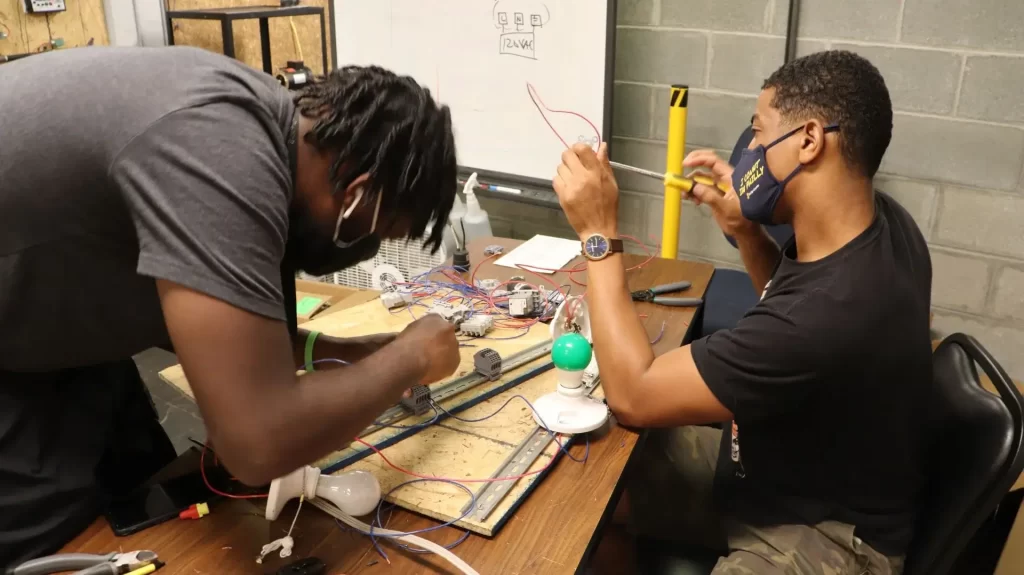
PTTI maintains a 92% job placement rate across its programs, including welding, automotive, central processing, steam, sprinkler, pipefitting, drywall, framing, and finishing. Therefore, Many students receive job offers before they even finish the program. That’s what happens when a school has real, active relationships with the employers who are hiring.
Finally, the curriculum builds skills from scratch so prior knowledge isn’t required. And the 90% placement rate means that what happens after graduation .
PTTI trade careers for Philadelphia youth exist right now for young people who are done waiting for the system to fix itself. The skilled trades economic opportunity for Black youth in this city is not hypothetical. You will get a job followed by a good paycheck and financial security.
Q1. Does PTTI accept students with no money or prior work experience?
Yes — and that’s exactly who PTTI is designed for. All you need is a high school diploma or GED to enroll. No prior trade experience is required. And financially, PTTI accepts FAFSA (school code: 042213), with Pell Grants of up to $7,395 available for qualifying students.
Q2. How long does it take to complete a PTTI program and get hired?
Most PTTI programs run 6 to 12 months depending on the trade. Career services support begins around 700 hours into the program — before you even graduate. Many students receive job offers before they finish training, thanks to PTTI’s active employer partnerships across Philadelphia.
Q3. What is PTTI’s job placement rate?
PTTI maintains a 92% job placement rate across its programs — including automotive technology, welding, HVAC, sterile processing, pipefitting, manufacturing, and drywall.
Q4. What trades can I learn at PTTI and what do they pay in Philadelphia?
PTTI offers programs in automotive technology ($67,283 average annual salary in Philadelphia), welding ($55,403), HVAC ($63,207), sterile processing ($50,355), pipefitting ($65,000+), manufacturing and automation, and drywall framing and finishing.
Q5. Is PTTI really built for young people from low-income neighborhoods in Philadelphia?
Yes. PTTI’s programs are designed to be accessible to students who don’t have prior experience or deep financial resources. Financial aid through FAFSA, PA-TIP state funding, and institutional financing remove the cost barrier.
Read More: