
Short answer: yes, HVAC is a good career in 2026. The pay is solid, the demand is strong, and you can start earning fast. But every trade has trade-offs. This guide gives you the honest picture, not a sales pitch. You will see real HVAC technician salary numbers, current job demand, the certifications that matter, and how training works in Philadelphia. By the end, you can decide if HVAC fits your goals.
HVAC stands for heating, ventilation, and air conditioning. Technicians install, maintain, and repair the systems that keep buildings comfortable. It is hands-on work with steady paychecks and clear ways to grow. Let us look at whether HVAC is a good career for you.
Yes, HVAC is a good career for people who like hands-on, problem-solving work. It offers competitive pay, strong job security, and a short path to your first job. The main downsides are physical demands and some seasonal busy periods. For most people, the pros outweigh the cons.
The trade rewards skill, not seniority in an office. You learn a system, you fix it, and you get paid well for it. That appeals to high school graduates, career changers, veterans, and adult learners alike.
HVAC blends several skills into one job. You work with electrical wiring, refrigerant, airflow, and digital controls. That variety keeps the work interesting. It also makes you harder to replace.
No career is perfect. HVAC has real physical demands. You may work in hot attics, cold rooftops, or cramped mechanical rooms. Summer and winter bring long hours during peak demand. Some entry-level pay starts modest before it climbs.
Still, most technicians find the trade-offs worth it. The pay grows fast as your skills grow. If you want a broader view first, this overview of why a skilled trades career makes sense in 2026 adds helpful context.
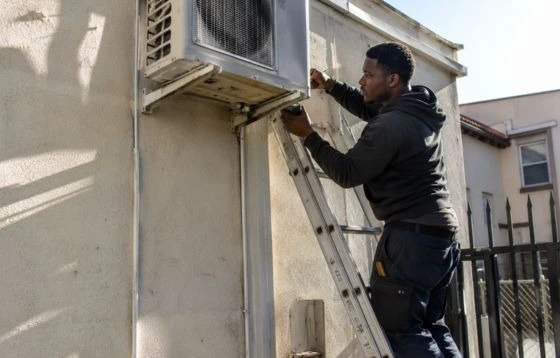
Yes, HVAC pays well, and pay rises quickly with experience. The national median HVAC technician wage was about $59,810 in 2024, according to the U.S. Bureau of Labor Statistics. In Philadelphia, pay often runs higher because of local demand and commercial work. Experienced and commercial techs can reach $80,000 or more.
Pay depends on your role, skills, and certifications. Commercial and controls work usually pays the most. Overtime during peak seasons adds even more. Let us break it down by stage.
The table below reflects typical Philadelphia-area ranges. Actual pay varies by employer, shift, overtime, and certification.
| Career Stage | Approximate Annual Pay (Philadelphia Area) |
| Entry-level / apprentice | $40,000 – $48,000 |
| Journeyman / mid-level | $55,000 – $70,000 |
| Experienced / commercial | $72,000 – $88,000 |
| Master tech / supervisor | $85,000 – $100,000+ |
These numbers show a clear path. You start solid and climb steadily. A strong HVAC technician salary in Philadelphia becomes very realistic within a few years. Union roles and commercial contracts often push pay to the top of the range.
A few choices move your income the fastest. Focus on these early in your HVAC career.
For a wider look at trade earnings, see this guide to Philadelphia trade jobs that offer high salaries without a degree.
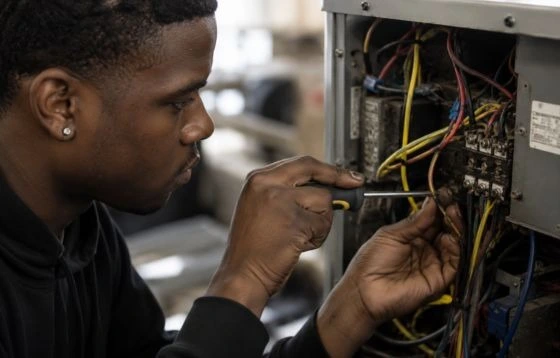
Yes, HVAC is in demand, and demand is growing faster than average. The BLS projects about 8% job growth for HVAC technicians from 2024 to 2034. That means roughly 40,000 openings each year nationwide. A wave of retirements adds even more need. Employers are competing for trained techs right now.
Several forces drive this demand. They are not slowing down. That makes HVAC jobs in demand for years to come.
The reasons are practical and durable. They apply strongly to the Philadelphia region.
You can read more about this trend in this look at heat pump installation training and the fastest-growing HVAC skills.
Philadelphia is a strong HVAC market. The region has old row homes, large hospitals, universities, and commercial buildings. All of them need heating and cooling. Nearby communities add even more demand.
Technicians trained here find work across the tri-state area. That includes Camden, Cherry Hill, and Pennsauken in New Jersey. It also covers Drexel Hill, Lansdowne, Darby, and Ardmore in Pennsylvania. Because skills travel, your training in Philadelphia opens doors across the region. For a broader view, explore skilled trade jobs in demand for career changers.
To become an HVAC technician, complete hands-on HVAC training, earn your EPA 608 certification, and start in an entry-level role. Most people finish focused training in well under a year. From there, you build skills on the job and add certifications that raise your pay.
The path is direct. You do not need a four-year degree. You need real skills and the right credentials.
Here is the route most successful technicians follow.
PTTI’s new HVAC program is built for this exact path. It focuses on hands-on training and career readiness. You can learn more on the HVAC program page or by browsing all PTTI programs.
Certifications prove your skill to employers. Two matter most early on.
A good program prepares you for these credentials. The American Welding Society, EPA, and industry bodies set the standards employers trust. You can review the official HVAC overview from the U.S. Bureau of Labor Statistics for more detail.
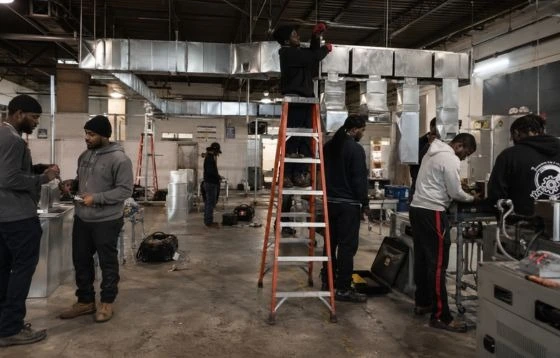
HVAC training can prepare you for entry-level work in well under a year. Focused, hands-on programs concentrate on the skills employers test for. That is why you can enter the field far faster than in a four-year degree path. What matters most is real practice on real equipment.
Speed only helps if the training is thorough. A quality program builds true competence, not just a certificate.
Not all learning paths are equal. HVAC is a physical, technical trade. You cannot master it through a screen alone.
This is where a focused program stands apart. It compresses time without cutting the practice that makes you employable. For related mechanical training, see the Steam, Sprinkler & Pipe Fitting program.
Many students search for a fast HVAC program. Speed is great, but ask what “job-ready” really means. Press on three points before you enroll.
If the answers are yes, a short program is a genuine head start. If not, “fast” just means “shallow.” PTTI’s approach centers on hands-on skill and job readiness, which is exactly what a strong HVAC career in 2026 requires.
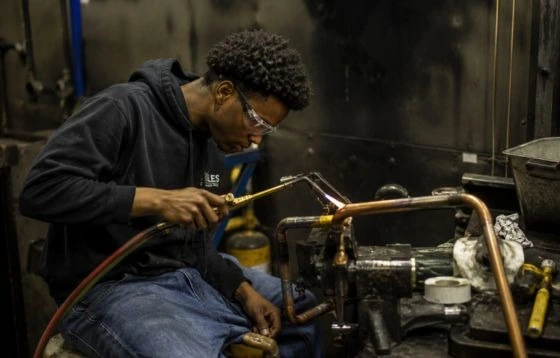
For many students, HVAC pays off faster than a four-year degree. You start earning in months, not years. You avoid heavy student debt. And demand for HVAC technicians stays strong. A degree suits some careers, but HVAC offers a quicker, lower-cost route to stable pay.
The math is simple. Less time in school plus less debt plus steady demand equals a strong return.
This quick comparison shows the difference clearly.
| Factor | HVAC Training | Four-Year Degree |
| Time to start earning | Under a year | About four years |
| Typical debt | Low | Often significant |
| Hands-on skill | Core of the training | Often limited |
| Job demand | Strong and growing | Varies by major |
Both paths have value. But for hands-on earners who want speed, HVAC wins. If you are weighing options, this guide on trade school versus traditional college helps you decide.
HVAC fits a wide range of people. That is part of its appeal.
If you like fixing things and want skills that pay, HVAC deserves a serious look. Ready to talk it through? Reach out to admissions or contact PTTI to get started.
Yes, HVAC is a good career in 2026, and the reasons are clear. The pay is strong and grows fast. The demand is real and rising. The training is short, hands-on, and affordable compared to college. And the skills stay in demand because every building needs climate control.
HVAC is not effortless. The work is physical, and peak seasons get busy. But for people who like solving problems with their hands, the rewards are worth it. You get stable pay, real job security, and a career you can build on.
If you are ready to start, PTTI’s new HVAC program is a strong next step. Explore the HVAC program, review your financial aid options, or check current careers and job opportunities. You can also schedule a campus tour to see the labs for yourself. Veterans can review dedicated veterans’ benefits too.
A strong HVAC career in 2026 starts with the right training. Take the next step this year.
Yes. HVAC offers competitive pay, strong job security, and a short training path. Demand is growing faster than average, and skills cannot be automated or outsourced. For hands-on learners, HVAC is a good career with clear room to grow through certifications and specialization.
Yes. The national median HVAC technician wage was about $59,810 in 2024. In the Philadelphia area, experienced and commercial techs often earn $75,000 or more. Overtime, certifications, and commercial work push pay higher. HVAC pay grows quickly as your skills grow.
Yes. The BLS projects roughly 8% job growth for HVAC technicians through 2034, faster than average. Retirements and energy-efficient upgrades drive strong demand. In Philadelphia, aging buildings and new construction keep HVAC jobs in demand across the region.
A focused, hands-on HVAC program can prepare you for entry-level work in well under a year. You then earn EPA 608 certification and build skills on the job. PTTI’s HVAC training in Philadelphia is designed around this fast, job-ready path.
EPA Section 608 certification is required to handle refrigerants on almost any HVAC job. NATE certification is optional but tied to higher pay. Quality programs prepare you for these credentials so you graduate ready to work.
Philadelphia Technician Training Institute (PTTI) offers a new, hands-on HVAC program built around real equipment and career readiness. It serves students across Philadelphia and nearby communities in Pennsylvania and New Jersey.