
Black youth in Philadelphia are the emerging talented youth in South Philadelphia. There are various community-curated efforts to develop and uplift Philly youth. The meditation center, likewise, community , fitness center, income opportunities, meet-up, college, and many more. To get a degree, later on build a career in a skilled trade, and become financially independent in a very short time. But four-year degrees are getting more expensive every year, and the promise attached to them isn’t as solid as it used to be.
Trade training and generational wealth for Black youth in Philadelphia are different conversations. Because the trades aren’t just giving young people jobs. They’re giving them something deeper financial independence, sharp problem-solving skills, and the tools to build something that lasts beyond a single paycheck.This blog is for every young person in Philly who’s been told there’s only one path forward.
Talk to a PTTI Admissions Advisor Today →
The median annual wage of skilled trade workers in the Philadelphia metro area is $55,243 which is compared to $47,428 nationally. That’s not a small difference from other states’ wages.. That’s Philadelphia paying more than the national average for trained trade workers right now.
why this matters specifically for Black youth of Philadelphia. Philadelphia is the most developed city in the United States, promising high-scale opportunities for youth. Student loan debt disproportionately affects Black graduates, often delaying or derailing their ability to build wealth. The four-year college path has a built-in disadvantage for communities already facing a financial headwind. Therefore, financial aid works wonders in pursuing a 6-month trade program. which is highly recommended to every Philly youth.
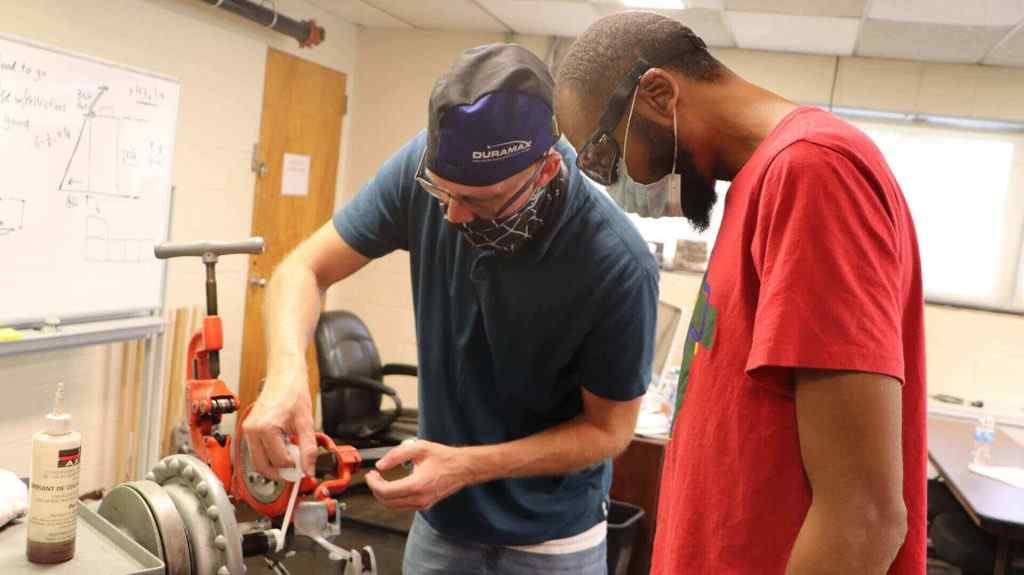
When you learn a high-value skill like welding, HVAC, pipefitting, or automotive repair you don’t just earn a paycheck. You build something that adds value every time.
With experience, a plumber or electrician can start their own business, creating jobs within their community and building generational wealth, a crucial factor in addressing the racial wealth gap. However, That’s the piece most people sleep on. The skilled trades are one of the few careers where the path from employee to business owner is genuinely straightforward — and where building that business means hiring from your own neighborhood.
Black entrepreneurs and local business owners who start local construction, HVAC, or car repair businesses hire from their own neighborhoods. This develops a strong localized pipeline of secure jobs and real generational wealth.
This is happening now in the streets of Philadelphia.The generation wealth Independence Extending to the south and west of the Philadelphia region. And the next generation in your family starts from a different baseline than you did. And it starts with a trade certificate, not a college degree. Which you get from the best trade school . Generational wealth is somewhere within one’s own genetics. The muscles and strength you got from generations also contribute much . That’s what generational wealth actually looks like.
And the demand for skilled trades is skyrocketing. Pennsylvania expects 300,000 skilled trade jobs to be filled by 2030. Those are real openings, in real trades, paying real money, and most of them don’t require a four-year degree.
Here’s something that gets overlooked all the time. Trade school doesn’t just teach you a skill. It builds the way you think. It rewire your brain more into tools rather than theories. Every day in a trade program, you’re solving real problems under real pressure. An automotive student diagnosing an engine misfire. A pipefitter reading a blueprint and mentally constructing a 3D system from a flat drawing. A sterile processing tech tracing contamination back to a single instrument in a tray.
Trade education flips the traditional model of studying. Training happens through action, repetition, and problem-solving. Tools replace textbooks. Workshops replace lecture halls. Each task mirrors real job responsibilities. Every completed project builds muscle memory and professional discipline. This is what researchers call spatial reasoning and analytical thinking — and spatial thinking can be substantially improved by practice. Trade school is essentially a full-time workout for both.
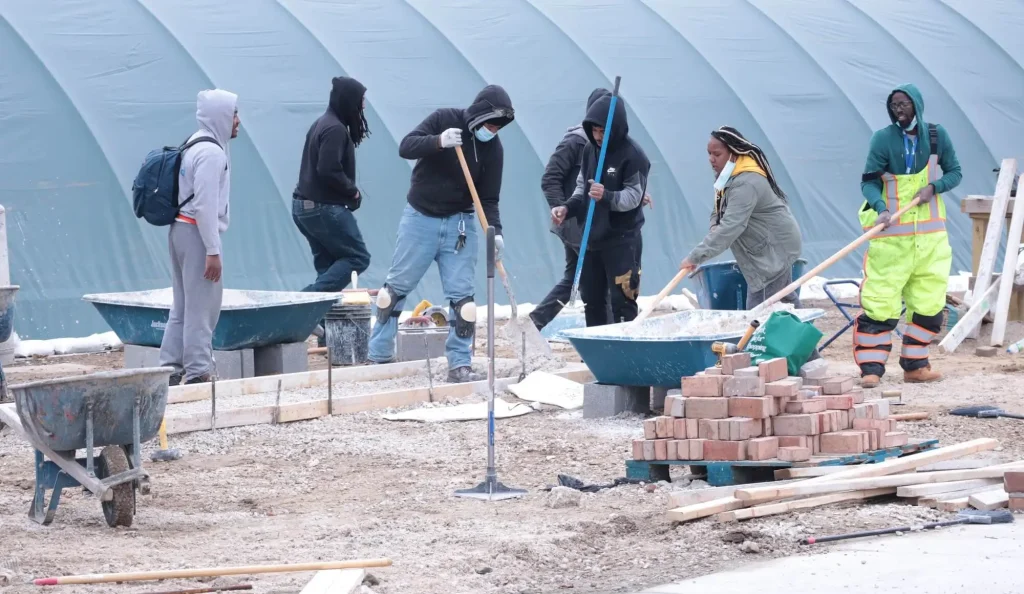
PTTI, the Philadelphia Technician Training Institute, sits right at the center of this movement. And it’s not accidental. Cognitive learning at PTTI is quietly building one of the best talent ecosystems in the country for the future, focusing not just on what young people learn, but on how they learn and who they become along the way.
PTTI’s programs are built specifically for students who don’t fit the traditional college mold. Who wants to explore more with tools rather than just learning bookish languages? Students who learn by doing, not by sitting in lecture halls.
Know exactly what PTTI skilled trade programs for Black students actually deliver:
| What PTTI Provides | What It Means for You |
| 80% hands-on training | You leave ready to work, not just certified |
| Career services support | Resume, interviews, employer connections — all included |
| Financial aid via FAFSA | School code 042213 — grants, loans, and more available |
| Industry-experienced instructors | Teachers who’ve actually done the work |
| Job placement before graduation | Many students get hired before the program ends |
| Programs in 6–12 months | You’re earning while college students are still in Year 1 |
Students may begin training focused on employment. They often leave with discipline, problem-solving skills, and pride in a sense of craftsmanship. That’s what vocational training builds in cognitive skills that four years of lectures rarely deliver in the same way.
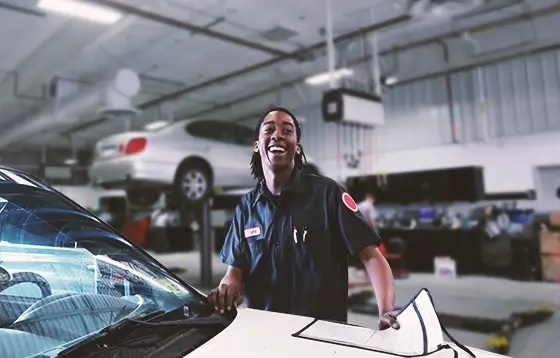
It’s easy to throw the words “generational change” around. But what does it actually look like in real life?
A young man from North Philly completes PTTI’s welding program in eight months. He gets hired at a manufacturing plant, earning $52,000 in his first year. Three years later, he’s a lead welder earning $68,000. Five years after that, he starts his own welding business and hires his younger cousin right out of PTTI’s program.
Sometimes, a family with multiple earners starts a business with zero debt, and the same strengths and skills they carry forward from their parents become ancestral assets. Which lays an important role in building a career around strength and hard work received from parents.
Learning skilled trades in Philadelphia has become one of the most potent, direct routes to economic stability and personal wealth independence.
Many high schoolers or graduates in Philly return to their neighborhoods as contributors rather than commuters. When business flourishes, towns attract talent. As mentioned earlier, being one of the oldest cities in the state, the city promises development and opportunities. When talent stays, communities grow stronger instead of being left out. That’s how trade training doesn’t just change one life — it changes a block, a family, and eventually a generation.
The average cost of a college education in the United States has risen to about $35,000 to $40,000 a year. A four-year degree costs more than $100,000 for a four-year college program — and that excludes books, housing, and living expenses. Compare that to PTTI. Total program costs average around $18,200. Financial aid through FAFSA, grants, and institutional financing can reduce that further. And you finish in 6 to 12 months — not four years.
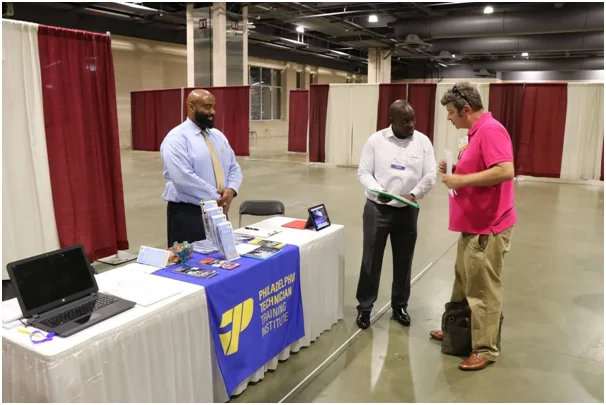
Let’s be clear about something. Nobody is saying the trades are the only path. They’re not. But for Black youth in Philadelphia who’ve been handed a system built with real financial barriers — the trades are one of the most direct, most powerful, and most underutilized paths to real wealth.
Trade training and generational wealth for Black youth in Philadelphia aren’t two separate conversations. They’re the same one. When you build a skill, you build income. When you build income, you build stability. When you build stability, the people after you start from a stronger place.
Additionally, the Black youth contribute to economic change and don’t require a college acceptance letter. They require the decision to show up, learn something real, and build something that lasts forever.
Q1. How do skilled trades help Black youth in Philadelphia build generational wealth?
Skilled trades create generational wealth in a direct, practical way. You learn a high-value skill, enter the workforce without student debt, earn a competitive salary from day one, and build toward business ownership over time
Q2. How does trade school build cognitive skills like analytical thinking and spatial reasoning?
Trade school builds these skills through daily, real-world problem-solving. When an automotive student diagnoses an engine issue, they’re using analytical thinking. When a pipefitter translates a 2D blueprint into a 3D pipe system, they’re using spatial reasoning.
Q3. What programs does PTTI offer for Black youth in Philadelphia?
PTTI offers trade programs in welding technology, HVAC, automotive technology and repair, sterile processing and central services, steam/sprinkler/pipefitting, manufacturing and automation, drywall framing and finishing, and more.
Q4. Is trade school a realistic path to economic independence for Black students in Philadelphia?
Yes and the numbers back it up. The median wage for skilled trade workers in the Philadelphia metro area is $55,243 — higher than the national average. Many trades offer a direct path to business ownership, which is one of the most effective routes to long-term generational wealth.
Q5. How does PTTI support students through job placement after graduation?
PTTI’s Career Services department begins working with students around 700 hours into their program before graduation. Support includes resume writing, interview coaching, career identification, financial management basics, and direct connections with employers across Philadelphia and surrounding areas. Many students receive job offers before they even complete their program.
Read More :