
If you want into healthcare without spending four years in college or taking on heavy debt, sterile processing is one of the most practical doors to walk through. A sterile processing technician cleans, inspects, assembles, and sterilizes the surgical instruments that operating rooms depend on every single day. No sterile instruments means no surgery, which is exactly why this role stays in demand no matter what the economy is doing.
So, is sterile processing a good career? The honest answer is yes for the right person, and this article gives you the full picture rather than a sales pitch. We will look at real pay ranges, current job demand, how long training takes, what certification employers expect, and what the work actually feels like day to day. We will also cover why Philadelphia, with its dense network of major hospital systems, is one of the stronger markets in the country to launch a sterile processing career. By the end, you will have a clear, grounded view of whether this path fits your goals, and how a focused sterile processing technician program can get you there.
A sterile processing technician is the quiet backbone of every surgical department. Working in the central sterile processing area, also called the sterile processing department or SPD, these technicians decontaminate used instruments, inspect them for damage, reassemble complex trays, run sterilization cycles, and track everything so surgeons have exactly what they need when they need it.
The core responsibilities usually include:
This is detail-driven, standards-heavy work. A single missed step can affect patient safety, which is why training, precision, and certification carry so much weight. It is also why employers value technicians who understand infection control and sterilization protocols from day one, rather than learning entirely on the fly.
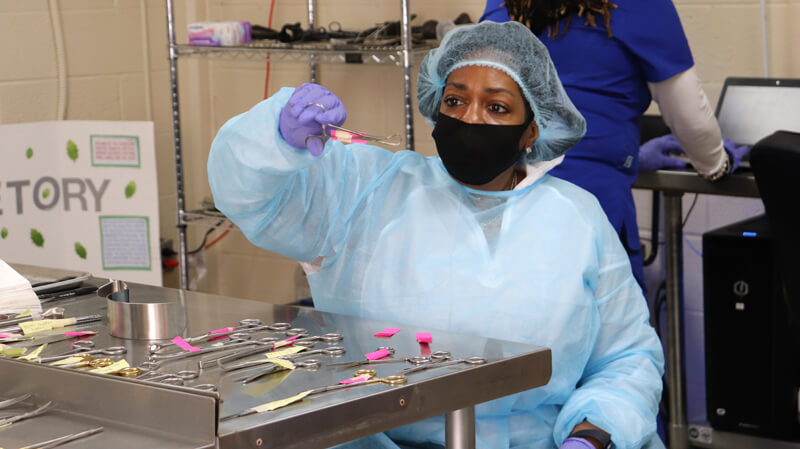
Yes, sterile processing is a good career for people who want stable, meaningful healthcare work without years of schooling. It offers quick entry, steady demand, clear certification-based raises, and a direct role in patient safety. The trade-off is that it is behind-the-scenes, detail-intensive work rather than patient-facing care.
That balanced view matters. Sterile processing will not suit someone looking for a fast track to six figures overnight, and it is physically active work that includes standing, lifting, and exposure to a warm, busy department. But for a career changer, recent graduate, veteran, or adult learner who wants a reliable healthcare paycheck and a foundation to grow from, the sterile processing technician role delivers. Many technicians use it as a launchpad into supervisory roles, surgical technology, or other allied health paths, which is part of what makes it such a smart first move.
Nationally, the U.S. Bureau of Labor Statistics reports a median wage of about $47,700 per year, or roughly $22.93 per hour, for medical equipment preparers, the category that includes sterile processing technicians, based on May 2025 data. The bottom 10% earned around $36,410, while the top 10% reached about $69,950. Pay climbs with certification, specialization, shift differentials, and experience.
In the Philadelphia market, sterile processing technician salary tends to run above the national median. The region is anchored by large hospital systems that compete for qualified staff, which pushes local pay up. Depending on the source, employer, and experience level, reported Philadelphia averages commonly land in the low-to-upper $50,000s, with entry-level roles starting lower and experienced, certified, or specialized technicians earning more.
| Career Stage | Approximate Annual Range |
| Entry-level (no certification) | $36,000 – $43,000 |
| Certified sterile processing technician | $45,000 – $55,000 |
| Experienced / specialized / lead | $55,000 – $70,000+ |
| SPD supervisor / manager | $70,000 – $90,000+ |
A few honest notes on these numbers. First, certification is the single biggest early lever; many employers require CRCST certification within a set period after hire, and getting certified moves you off the lowest pay band. Second, sterile processing runs around the clock, so evening, night, and weekend shift differentials can meaningfully raise take-home pay. Third, specialty skills such as flexible endoscope reprocessing or complex orthopedic and robotic instrument sets tend to command premiums.
Want to see where this can lead? Explore PTTI’s Sterile Processing & Central Services Technician program and how training connects to real earning potential.
Job demand for sterile processing technicians is strong and growing. The Bureau of Labor Statistics projects employment of medical equipment preparers to grow about 10% from 2024 to 2034, much faster than the average for all occupations, with roughly 10,900 openings projected each year over the decade.
Several forces keep this demand durable. Surgical volumes rise as the population ages, which increases the number of instruments that must be cleaned and sterilized. Outpatient surgical centers, ambulatory facilities, and specialty clinics continue to expand beyond traditional hospitals. And an experienced portion of the current workforce is retiring, creating steady replacement demand on top of new growth.
There is also a stability factor that few entry-level careers can match. Because sterile processing is essential to surgery, the work does not disappear when the economy slows. That recession resistance is one of the most compelling reasons prospective students give when they choose this path over less stable options.
Philadelphia is one of the country’s major healthcare hubs, and that directly benefits anyone entering a sterile processing career here. The city and surrounding counties host large academic medical centers, children’s hospitals, trauma centers, community hospitals, and a fast-growing network of outpatient surgical facilities. Every one of those settings needs sterile processing technicians.
This density matters for three reasons. It means more entry-level openings, more room to move between employers as you gain experience, and competitive pay as systems work to attract and retain qualified staff. The region’s expanding life-sciences and biotech presence adds even more demand for professionals who understand sterilization, decontamination, and instrument handling. For students training locally, that translates into real proximity to jobs rather than a long commute to opportunity.
Graduates find work across the full geography of the region, from North Philadelphia, South Philadelphia, West Philadelphia, and Southwest Philadelphia to the surrounding Pennsylvania suburbs and South Jersey. Because certification is portable, training in Philadelphia positions you to take the strongest offer wherever it appears.
Curious about local hospital demand? Learn how PTTI connects to Philadelphia’s life-sciences sector and the region’s surgical facilities.
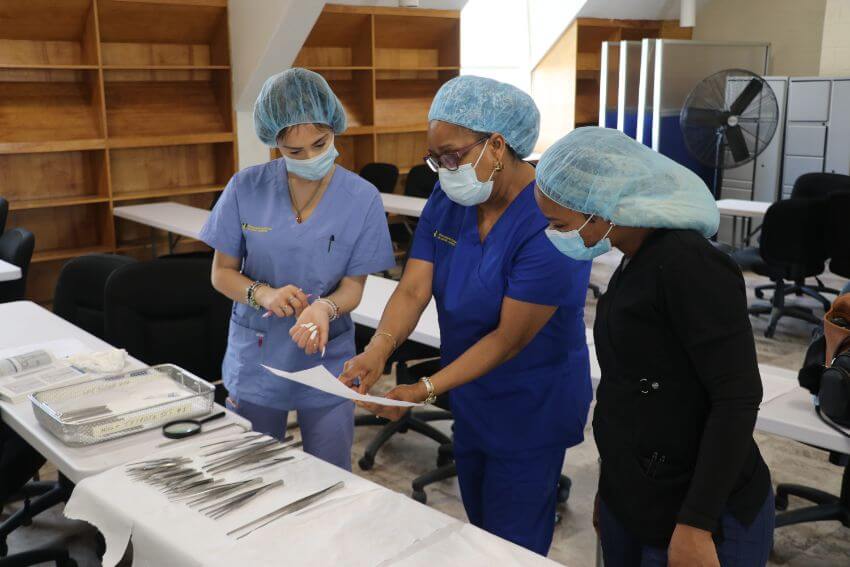
Most people become job-ready in about six months to two years, depending on the program format. A focused certificate program combined with a hospital externship is the fastest, most direct route, which is why sterile processing appeals to students who want to start earning quickly rather than spending years in a classroom.
The typical path breaks down like this:
This short runway is a major reason career changers and adult learners choose sterile processing. You can realistically start a healthcare career in about six months through a central processing program, then keep building from there.
Certification is not always legally required to enter the field, but in practice most Philadelphia-area employers expect it, and many require it within a set window after hire. The two nationally recognized credentials are the CRCST from the Healthcare Sterile Processing Association (HSPA, formerly IAHCSMM) and the CSPDT from the Certification Board for Sterile Processing and Distribution (CBSPD).
Here is what matters for someone starting out. The CRCST is the credential you will see referenced most often in local job postings, and hospitals frequently write it into their hiring requirements. Earning it typically means passing a written exam and completing a set number of hands-on hours in a sterile processing department. Beyond the entry credential, specialty certifications, such as flexible endoscope reprocessing, open the door to higher-paying roles.
For students, the takeaway is simple: choose a program that prepares you for certification from the start. Exam readiness, hands-on hours, and real department experience are what turn a certificate into a job offer. PTTI’s CRCST certification pathway is built specifically around that goal.
Hiring managers in this field look for a specific mix of technical competency and personal reliability. The strongest sterile processing technicians combine precision with consistency, because both patient safety and department efficiency depend on it.
The most valued skills and traits include:
These are exactly the competencies a hands-on program is designed to build. Real lab practice on industry-standard equipment, taught by instructors with department experience, is what turns classroom knowledge into workplace readiness.
Both are healthcare careers, but they differ in training length, cost, and role. Sterile processing offers a much faster, lower-cost entry, with training measured in months rather than years, while nursing requires a longer degree and licensure but leads to patient-facing clinical work and higher pay ceilings.
For many students, sterile processing is the smarter first step. You enter the healthcare field quickly, start earning, gain hospital experience, and keep your options open. Some technicians stay and advance into lead and supervisory roles; others use the experience as a stepping stone toward surgical technology or further healthcare education. If you are weighing the two paths, it helps to see how sterile processing compares to nursing in terms of growth and time to employment.
An honest look means naming the realities, not just the perks. Sterile processing is behind-the-scenes work. You will not typically interact with patients, and the department is warm, busy, and fast-paced, especially during peak surgical hours. The work involves standing for long periods, lifting instrument trays, and maintaining focus through repetitive, high-stakes tasks.
For the right person, those realities are a fit rather than a drawback. Many technicians appreciate that the work is structured, skill-based, and free of the emotional intensity of direct patient care. They value being part of a surgical team’s success without being in the operating room spotlight. And they take genuine pride in knowing that every clean, correctly assembled tray protects a real patient. If that description resonates, sterile processing is very likely a good career fit for you.
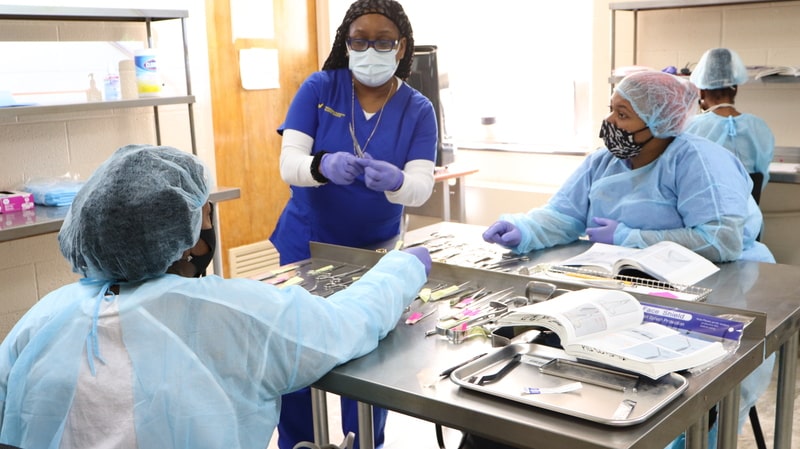
Choosing the right program is what separates a certificate from an actual career. A strong sterile processing technician program should combine classroom theory, hands-on lab practice on real equipment, certification preparation, and support moving into employment. That is the model built into PTTI’s training.
Students train in applied, hands-on environments that mirror real sterile processing departments, learning decontamination, sterilization, instrument handling, and infection control the way employers expect. The program emphasizes certification readiness so graduates are prepared for the credentials Philadelphia hospitals look for, and it connects workforce-readiness skills, like documentation discipline, teamwork, and safety culture, directly to job-site expectations. You can see the training environment for yourself at the central processing campus.
Ready to take the next step? Explore the Sterile Processing program, or connect with the admissions team to talk through start dates and your goals.
So, is sterile processing a good career? For someone who wants a fast, affordable, stable way into healthcare, the answer is a confident yes. You can train in months instead of years, enter a field with strong and growing demand, earn certification-based raises, and do work that genuinely matters to patient safety. In a healthcare-rich market like Philadelphia, a sterile processing technician has real proximity to jobs and clear room to grow.
The honest caveats are worth respecting: this is detailed, behind-the-scenes, physically active work. But if that fits you, few entry points into healthcare offer this combination of speed, stability, and opportunity. The most reliable way to get there is a hands-on program built around certification and real department experience.
Take the next step today. Explore PTTI’s Sterile Processing program, review financial aid options, or schedule a campus tour to see the labs in person. When you are ready to begin, the admissions team can help you start your sterile processing career this year.
Yes. Sterile processing is a good career for people who want stable healthcare work without a four-year degree. It offers quick entry, strong job demand, certification-based pay growth, and a direct role in patient safety. The trade-off is that it is detail-intensive, behind-the-scenes work rather than patient-facing care.
Nationally, the median is about $47,700 per year per the Bureau of Labor Statistics, with top earners near $69,950. In Philadelphia, a sterile processing technician salary often runs higher because major hospital systems compete for staff, with certified and experienced technicians earning the most.
Yes. The Bureau of Labor Statistics projects about 10% growth for medical equipment preparers from 2024 to 2034, much faster than average, with roughly 10,900 openings per year. Demand is especially strong in healthcare hubs like Philadelphia.
Most people finish training in about six months to two years. A focused certificate program plus a hospital externship is the fastest route, after which you earn a certification such as the CRCST and apply for entry-level roles.
Certification is not always legally mandatory, but most Philadelphia-area employers expect it and many require it after hire. The CRCST from HSPA is the most widely recognized credential, and earning it moves you off the entry-level pay band.
Yes. You do not need a college degree. A high school diploma or GED plus a sterile processing training program and certification is the standard entry path into the field.
Yes. Because surgery cannot happen without sterile instruments, the role is recession-resistant. Steady surgical demand and ongoing replacement of retiring workers keep sterile processing technicians consistently needed.
Philadelphia Technician Training Institute (PTTI) offers hands-on sterile processing training with certification preparation and externship experience, serving students across Philadelphia and the surrounding region. You can contact admissions to learn more.