
Choosing a school is not just about getting a certificate or diploma. It is about finding a place where you can learn how to do things, get experience, and feel good about starting your first job. When people look at schools in Philadelphia, they want programs that do more than teach in a classroom. They want to be ready for what it’s like to really work.
A good technical school does not just teach you things to remember. It gives you opportunities to try out what you learn by working with experienced teachers in settings that are like real work sites. This way of learning helps students graduate with skills they can use in the real world. Technical schools like these are what people are looking for in Philadelphia.
Every skilled trade requires practical experience. Whether you’re interested in welding, automotive technology, manufacturing, pipefitting, or construction, employers want people who can work safely, solve problems, and confidently use industry-standard tools and equipment.
Practical training plays an important role in technical education. Instead of classroom-based learning alone, students gain practical experience by practicing the skills they will need in their future professions. This approach enhances technical competence and helps boost confidence before they join the workforce.
One of the biggest benefits of attending a career-focused trade school is learning from instructors who have worked in the industry.
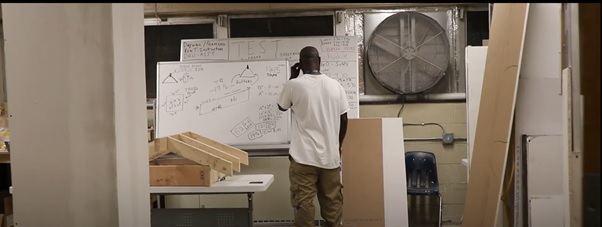
Experienced instructors bring practical knowledge into every lesson. They share real workplace experiences, explain current industry standards, and teach the safety practices employers expect. This industry-focused curriculum helps students understand what life on the job is really like while preparing them for long-term success.
The best way to learn a trade is by doing it. Students work with industry-standard tools, equipment, and machinery while completing practical projects that reflect real workplace tasks. Rather than simply watching demonstrations, they actively develop the technical skills required for their chosen field by simulating real-world scenarios, strengthening problem-solving, teamwork, communication, and time management. Together, these qualities help students become more confident and job-ready by the time they graduate.
Learning technical skills is only one part of building a successful career.
A quality trade school also prepares students for the hiring process. Career services may include resume building, interview preparation, job search guidance, and connections with employers looking for skilled graduates. These resources help students make a smoother transition from training to employment.
When comparing Philadelphia technical schools, it’s important to look beyond the list of programs. A strong training experience should include:
These features help students develop both technical knowledge and workplace confidence before they begin their careers.
PTTI combines classroom instruction with practical learning, allowing students to build experience while developing the skills employers value. The focus is on preparing students for real careers through hands-on training, modern equipment, and guidance from instructors with industry experience.
Along with technical education, students also receive career support that helps them prepare for interviews, improve their resumes, and take the next step toward employment after graduation.
While learning from experienced instructors is beneficial, hearing directly from industry professionals provides a unique perspective. Employer-led workshops, guest speakers, and career events give students insight into what modern workplaces truly involve.
These sessions often include practical advice about workplace expectations, industry trends, and the skills employers look for when hiring. They also give students the chance to ask questions and learn from professionals who have built successful careers in the skilled trades.
One of the biggest goals of any trade school is to prepare students for life after graduation. That’s why practical learning is so important.
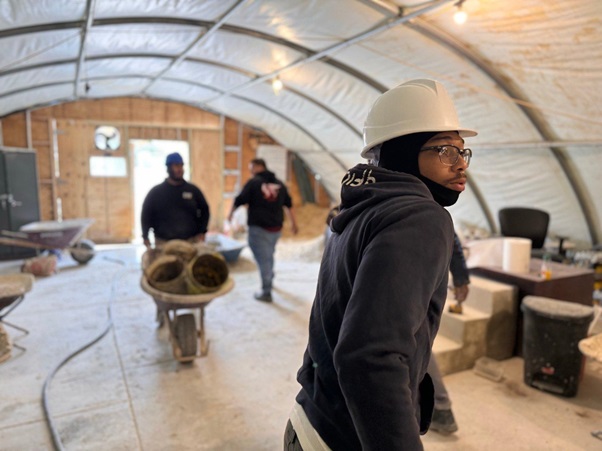
Working with tools, completing hands-on projects, and learning in workshop environments help students become more comfortable with the work they’ll do every day. By the time they finish their training, many students have already developed the confidence and practical skills needed to begin their careers.
Not every technical school offers the same learning experience. Before choosing a program, it’s worth looking beyond the course list and understanding how students are prepared for the workforce.
Look for a school that values practical training, experienced instructors, career guidance, and opportunities to learn from industry professionals. These experiences can make a real difference, helping students graduate not only with technical knowledge but also with the confidence to take the next step in their careers.
When looking at schools in Philadelphia, choose one that does more than help you get a degree. The right trade school should equip you with skills, teach you what to expect at work, and build your confidence in your field.
PTTI helps students learn and feel confident by providing hands-on training courses taught by experienced industry instructors, as well as career support. This way, students can gain the knowledge and confidence needed to succeed in the trades today.
Philadelphia technical schools help students learn skilled trades through hands-on training, practical classes, and career-focused programs that prepare them for real jobs.
Yes. PTTI provides students with plenty of hands-on trade training, allowing them to practice skills with tools and equipment used in real workplaces.
Hands-on training helps students build confidence, improve practical skills, and understand how work is done before starting their careers.
PTTI prepares students with practical training, experienced instructors, career guidance, and job placement support to help them start successful careers.
Choose a school that offers hands-on training, experienced instructors, career support, and an industry-focused curriculum that matches your career goals.
Read more: