
One of the most common questions prospective students ask before enrolling is a practical one: can you realistically hold down a full-time job and still attend trade school? For most people considering a career change, this is not a small detail. Rent, groceries, car payments, and family responsibilities do not pause while you retrain. The good news is that attending trade school while working is not only possible, it is exactly how a large share of adult students complete their training and step into a new, higher-paying field.
Trade schools were built for a different kind of learner than a traditional four-year university. Students tend to be older, employed, and focused on a specific outcome: a job. Because of that, quality technician training programs are structured around real lives, with schedules, formats, and support systems designed for people who cannot simply walk away from a paycheck. This guide explains how students across Philadelphia and the surrounding region manage a job and trade school at the same time, what to expect week to week, and how to set yourself up to finish strong and get hired.
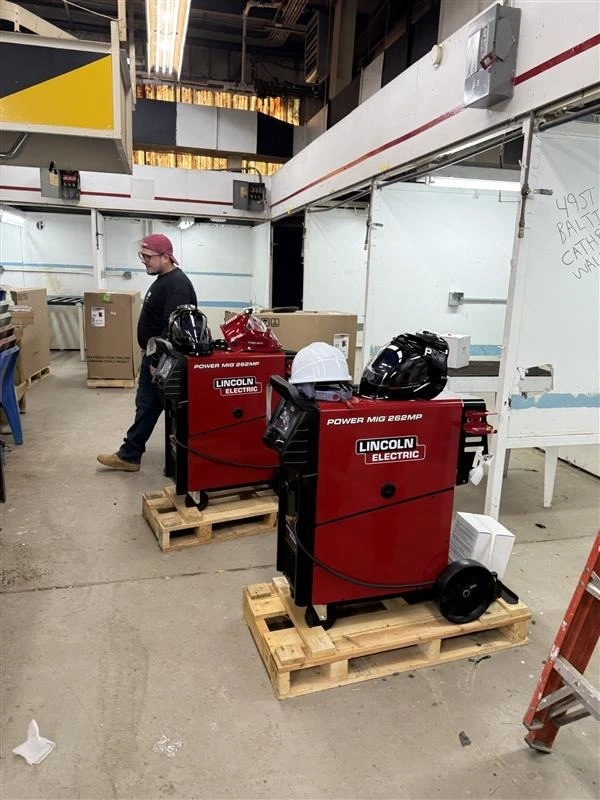
Yes. You can work full-time while attending trade school, and many students do exactly that. Trade programs are commonly offered in shorter, focused formats with scheduling options built for employed adults. With planning, a supportive employer, and a program designed for working students, balancing a job and hands-on training is a realistic path rather than an exception.
The reason this works comes down to how trade education is designed. Unlike a lengthy degree loaded with general-education requirements, a Philadelphia trade school the trade program concentrates on the specific, job-ready skills employers need. In the hands-on trade school training focuses that keeps the total time commitment contained, which is what makes attending trade school while working manageable. You are not signing up for four years of full-time study; you are committing to a defined stretch of focused training that leads directly to work.
In a flexible trade school programs,Adult learners rarely have the option to stop earning. Most people exploring a trade school while working are doing so precisely because they need a better income, not because they can afford to lose the one they have. Keeping a job during training delivers several practical advantages:
This is a core reason trade programs remain such a practical choice. Rather than forcing a hard either-or decision, the right program lets you work and learn at the same time, protecting your present while you build your future. Students who want to understand the deeper logic of this approach often explore how trade school helps you start earning faster than a four-year degree, which reinforces why so many choose this route.
The single biggest factor in balancing work and trade school is scheduling. Flexible trade school programs are what turn “I wish I could retrain” into “I’m doing it.” Here is how the most common formats support working students.
Evening and weekend trade school classes required hands-on trade school training that exist specifically so that people with day jobs can attend. A student can finish a shift, commute to campus, and get hands-on training in the evening, or concentrate coursework on weekends. This format keeps your daytime employment intact while you steadily build technical skills.
Because trade programs concentrate on job-ready competencies, they tend to be far shorter than a traditional degree. That shorter runway is a major advantage for anyone attending a trade school while working, since you only need to sustain the balancing act for a matter of months. If you are mapping out your commitment, it helps to understand how long trade school takes before you enroll.
Trade education is built around doing, not just reading. Hands-on trade school training in real labs with industry-standard equipment means your class hours are productive and directly tied to what employers want. For a working student, hands-on trade school training, ensure that efficiency matters: every hour on campus moves you closer to a credential and a job.The trade school for working adults focusses on hands on training more than theory.
Explore your options: Review PTTI’s hands-on trade programs to see which formats fit around a full-time schedule.
In a flexible trade school programs,Balancing work and trade school is easier when you can picture the week. Every student’s situation differs, but the framework below shows how a working adult commonly structures their time.
| Time Block | Typical Use | Why It Works |
| Weekday mornings/days | Full-time job | Keeps income steady throughout training |
| Weekday evenings | Class or lab sessions | Concentrated, hands-on skill building after work |
| Weeknights (short) | Review, practice, prep | Reinforces the day’s learning in small doses |
| Weekend blocks | Class, catch-up, or study | Deeper focus without competing work hours |
| Buffer time | Rest and family | Prevents burnout and protects consistency |
The point of a plan like this is not rigidity; it is protection. When your study and class time are scheduled the same way your shifts are, they are far more likely to actually happen.
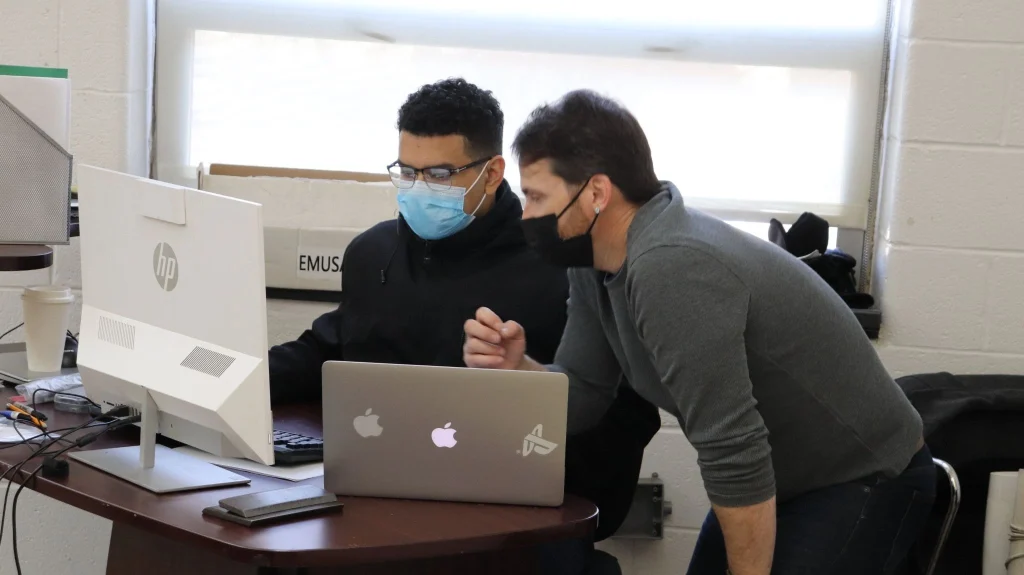
The students who succeed at a trade school while working almost always share a set of practical habits. These are the strategies instructors and workforce specialists see work again and again.
These habits are exactly why programs designed for working adults returning to school tend to produce strong completion and hiring results. Especially for hands-on trade school training makes teh student experts on particular tools.
Students juggle work, school, and family by choosing flexible trade school programs, planning their week in advance, protecting dedicated study time, and using the support services their school offers. Shorter program lengths and evening or weekend formats keep the balancing act to a manageable, temporary stretch that leads to a new career.
Family responsibilities are often the toughest variable, especially for parents and caregivers. The key is honest planning: sharing your schedule with the people who count on you, arranging support during class hours, and being clear that the demanding period is finite. A program that runs months rather than years is far easier for a household to absorb. This is one more reason a trade school while working appeals so strongly to adults making a mid-career change,training while they have families depending on them.
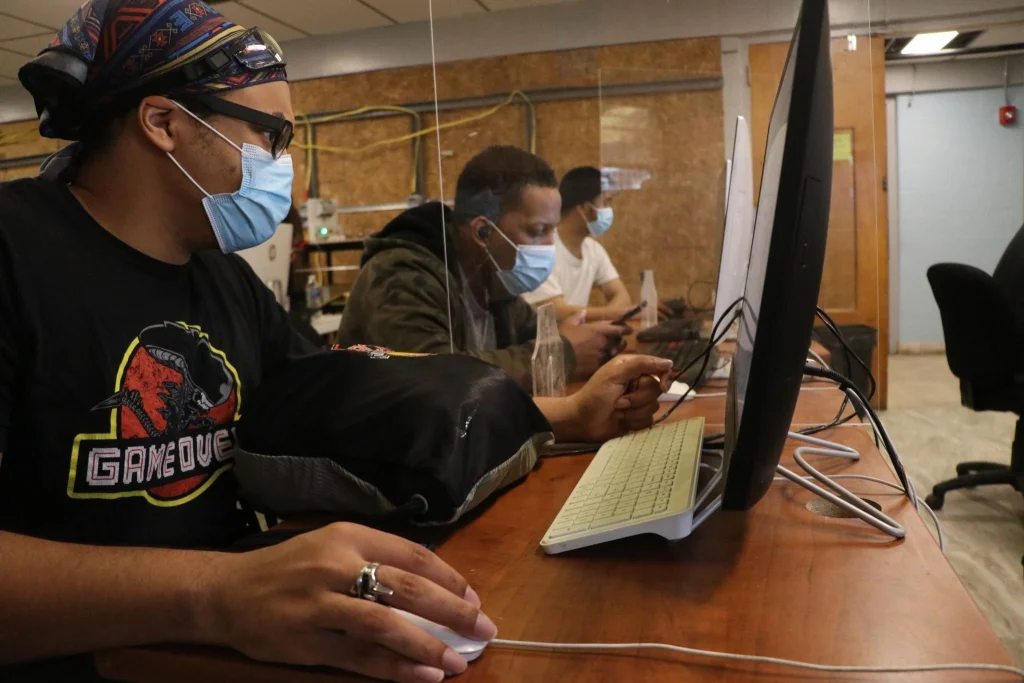
A major reason to keep your job is money, and the financial picture is often better than students expect. Attending a trade school while working lets you cover living costs with your paycheck also required hands-on trade school trainingwhile you train, which reduces how much you need to borrow. Combined with available aid, this earn-while-you-learn approach helps many students graduate in a trade school for working adults are far stronger financial position than the traditional college path allows.
Financial planning should be part of your enrollment decision from the start. It is worth reviewing financial aid options to understand what support you may qualify for. Veterans and service members have additional pathways as well and should look into veterans education benefits that can offset training costs. For anyone weighing debt carefully, the combination of a shorter program, a steady paycheck, and available aid is what makes trade school for working adults financially sensible.
PTTI’s hands-on, career-focused programs are structured for exactly the kind of student balancing a job and training. Each program builds job-ready skills on industry-standard equipment across in-demand fields:
Because these are focused technician programs rather than broad degrees, they lend themselves well to the schedules working students need. Students unsure which path fits their goals can weigh the full range of PTTI programs against their interests and availability.
For someone commuting between a job and class, geography is not a minor detail. A conveniently located Philadelphia trade school can be the difference between a plan that holds and one that collapses under travel time. PTTI serves students across the city and the wider region, including neighborhoods such as North Philadelphia, South Philadelphia, West Philadelphia, Mantua, Powelton Village, and the Spring Garden area, as well as communities along key corridors like Broad Street, Woodland Avenue, and Ogontz Avenue.
The reach extends well beyond city limits. Working students commute from nearby Pennsylvania towns including Yeadon, Lansdowne, Darby, Drexel Hill, and Ardmore, and from South Jersey communities such as Camden, Pennsauken, Collingswood, Cherry Hill, Maple Shade, Cinnaminson, Haddonfield, and Gloucester City. For adults across the tri-state area, a central Philadelphia location keeps the commute realistic, which is essential when you are fitting class around a full-time job.
The effort of balancing work and trade school is temporary; hands-on trade school training in skilled trade training as a career it leads to is not. Skilled trades remain in steady demand, driven by aging infrastructure, ongoing construction, manufacturing, and a wave of retirements across the trades. That demand translates into stable, well-paying work for people with verified, hands-on skills. The Philadelphia trade school Career Path pay off is worth the short term balancing act leading to career opportunities.
Trade careers also offer clear advancement. Entry-level roles lead to experienced positions, certifications, and specializations that raise earning potential over time. This is why so many students decide the short stretch of a trade school while working is a worthwhile investment. For those coming from other fields, PTTI’s support for career changers helps bridge the move from an old job into a new, more durable trade. And for anyone still deciding whether to leave their current role, understanding how you can work and learn at the same time often makes the path forward clear.
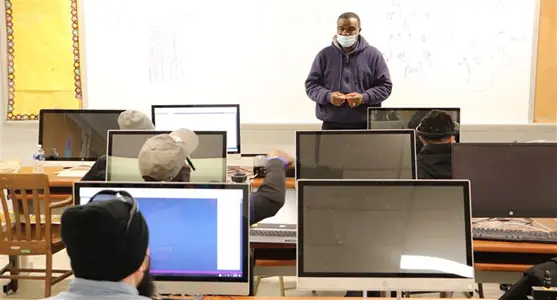
Being honest about the difficulties helps you prepare for them. Here are the challenges working students most often face and practical ways to manage each. Philadelphia trade school helps student to deal with common challenges if occur during training.
None of these are unique to you, and none are unmanageable. The students who finish are not the ones who avoid every obstacle; they are the ones who plan for them.
The honest answer to the question at the top of this guide is encouraging: yes, you can work full-time while attending trade school, and countless students prove it every year. The combination of focused programs, flexible scheduling, hands-on training, and available financial support is what makes attending a trade school while working a genuinely realistic path rather than a wishful one. It takes planning and effort, but the balancing act is temporary, and the career it leads to is stable and in demand.
If you have been waiting for the right moment to retrain without giving up your income, the structure to do it already exists. The next step is simply to explore how it fits your life.
Ready to take the next step? Explore PTTI’s hands-on programs, schedule a campus tour to see the labs in person, or contact our admissions team to talk through a schedule that works around your job.
Yes. Working full-time while attending trade school is common. Programs are frequently offered in shorter, focused formats with evening, weekend, or flexible scheduling built for employed adults, making the balance realistic with good planning.
Many do. Evening and weekend trade school classes are designed specifically so people with day jobs can train without quitting. This flexibility is a key reason a trade school while working is achievable for so many students.
They rely on flexible trade school programs, plan their week in advance, protect dedicated study time, use campus and career support, and lean on family for help during class hours. Shorter program lengths keep the demanding period brief.
Generally, yes. Trade programs focus only on job-ready skills, so they are typically much shorter than a four-year degree. That shorter timeline is exactly what makes balancing work and trade school manageable.
Often, yes. Keeping your job covers living costs while you train, and available financial aid can reduce what you borrow. This earn-while-you-learn approach is central to why trade school for working adults is financially practical.
Look for a conveniently located school offering hands-on, focused programs with flexible scheduling. PTTI serves working students across Philadelphia and the surrounding Pennsylvania and New Jersey communities with career-focused technician training.
Many can. Because trade programs are focused and comparatively short, adults are often able to complete training in months while keeping a job, then transition into a new skilled trades career.
Trade school enrollment is surging in 2026