
For auto technicians, few credentials carry more weight with employers than ASE certification. Short for Automotive Service Excellence, it is the industry’s most widely recognized way to prove you can diagnose and repair modern vehicles, and in a competitive market like Philadelphia, that proof often translates into better jobs and higher pay for people who complete solid automotive technician training and back it up with the right exams.
The challenge is that there are more than 40 different tests, and they do not all carry the same value. Some are entry points. Some signal mastery. A handful can meaningfully move your paycheck. This guide breaks down how the credential actually works: which tests exist, which ones employers reward most, how the credential affects earnings, and the exact steps to get certified. Along the way, you will learn what Master Automobile Technician status means, what the A-series and L-series tests cover, what certification costs in 2026, and what an ASE certified technician can realistically expect to earn across Philadelphia, Pennsylvania, New Jersey, and Delaware.
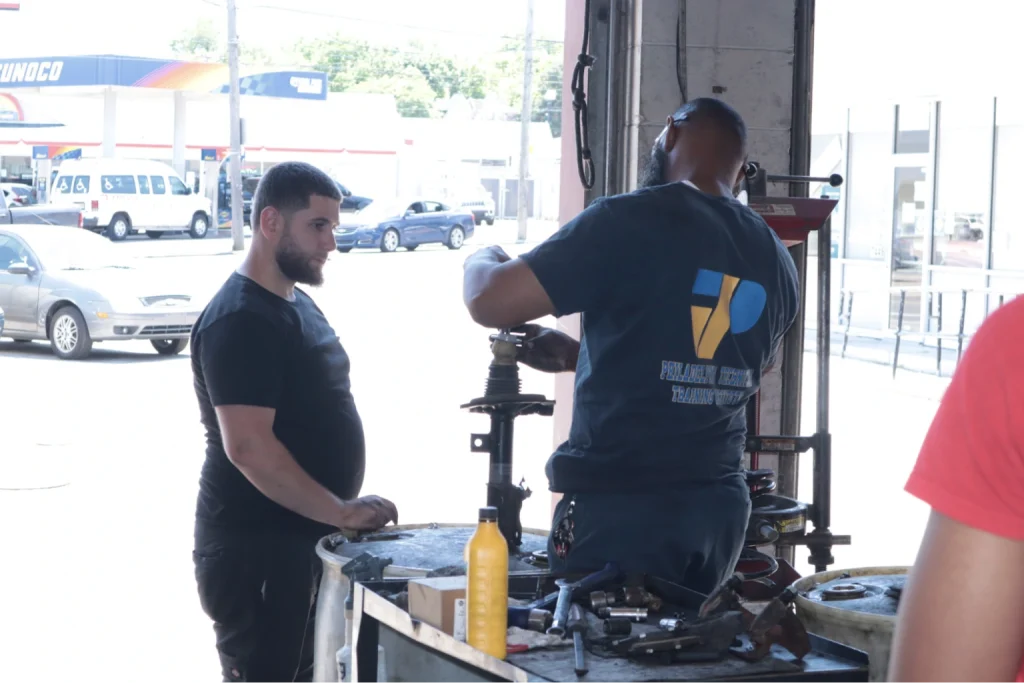
ASE certification is a voluntary, nationally recognized credential administered by the National Institute for Automotive Service Excellence. It verifies that a technician can perform specific repair and diagnostic tasks to an industry standard. Employers use it to identify skilled hires, and many dealerships and shops reward it directly with higher pay.
The value comes from trust. When a shop hires an ASE certified technician, it knows that an independent body has tested that person’s ability on real-world tasks, not just reviewed a résumé. That is why the credential appears so often in job postings and why it influences both hiring and promotion. Certification does not replace hands-on skill, but it documents it in a way the whole industry understands, which is exactly why earning a recognized auto certification matters for anyone serious about the trade.
It is worth being clear about one thing: the credential is not a government license to work on cars. In Pennsylvania and most states, you do not legally need it to be employed as a mechanic. What it does is make you more competitive, more credible, and more valuable, which is why so many technicians pursue it even though it is optional.
For most auto technicians, the tests that matter most are the Automobile and Light Truck series, known as A1 through A9. These nine exams cover the core systems of cars and light trucks, and passing A1 through A8 earns Master Automobile Technician status, the credential employers associate with a well-rounded, experienced tech.
Because the A-series defines the foundation of the trade, these are the ASE certification tests to focus on first. Each test is a separate exam, so you can certify in one area or build toward mastery over time.
| Test | Area Covered | Common Career Relevance |
| A1 | Engine Repair | Core mechanical work in every shop |
| A2 | Automatic Transmission/Transaxle | Specialized, higher-skill repairs |
| A3 | Manual Drive Train & Axles | Driveline and clutch work |
| A4 | Suspension & Steering | High-volume service and alignment work |
| A5 | Brakes | Among the most common repair jobs |
| A6 | Electrical/Electronic Systems | Increasingly critical, pay-relevant |
| A7 | Heating & Air Conditioning | Seasonal demand, specialized skill |
| A8 | Engine Performance | Diagnostics-heavy, pay-relevant |
| A9 | Light Vehicle Diesel Engines | Optional; valuable for diesel work |
Master Automobile Technician status is earned by passing ASE tests A1 through A8. It is the clearest signal in the trade that a technician can work competently across all major vehicle systems. Notably, A9 (Light Vehicle Diesel Engines) is not required for Master status, though it adds value for techs who work on diesel pickups and SUVs.
Reaching Master status takes time, because each test must be passed and the required work experience met. But for career-minded technicians, it is a worthwhile target. The title tends to open doors to lead-tech roles, dealership positions, and the higher end of local pay scales, and it is frequently cited as the top ASE credential technicians work toward.
Beyond the A-series sit the advanced L-series tests, which carry extra weight precisely because they are harder and more specialized. These include L1 (Advanced Engine Performance Specialist), L2 (Electronic Diesel Engine Diagnosis Specialist), L3 (Light Duty Hybrid/Electric Vehicle Specialist), and L4 (Advanced Driver Assistance Systems, or ADAS). There is also an entry-level option, G1 (Maintenance and Light Repair), that many newer techs use to get started.
The L-series matters more every year as vehicles grow more complex. Hybrid and electric drivetrains, advanced electronics, and driver-assistance systems now define modern repair work, and technicians who can prove competence in these areas are in short supply.
The certifications that raise pay the most are the diagnostics-heavy and specialty tests: A6 Electrical/Electronic Systems, A8 Engine Performance, and the advanced L-series, especially L1 (Advanced Engine Performance), L3 (Hybrid/EV), and L4 (ADAS). Master Automobile Technician status also lifts earning potential by signaling broad, verified competence.
Here is the logic behind the paycheck. Pay follows scarcity and difficulty. Almost any technician can learn to do brakes; far fewer can accurately diagnose an intermittent electrical fault or service a high-voltage hybrid system safely. An ASE certified technician who can prove those harder skills stands out immediately to employers. The certifications that prove those harder skills are the ones employers pay a premium for. Industry salary data consistently indicates that certification lifts an automotive technician salary, with ASE-certified and Master-level technicians tending to earn several thousand to tens of thousands of dollars more per year than uncertified peers at similar experience levels, though actual increases vary by employer, region, and specialization.
This is also why pairing certification with modern skills pays off. A technician who holds an electrical or engine-performance certification and can service today’s electric and hybrid vehicles is positioned for some of the fastest-growing, best-paying work in the field. Certification tells employers you have the knowledge; specialization tells them you have knowledge they struggle to find.
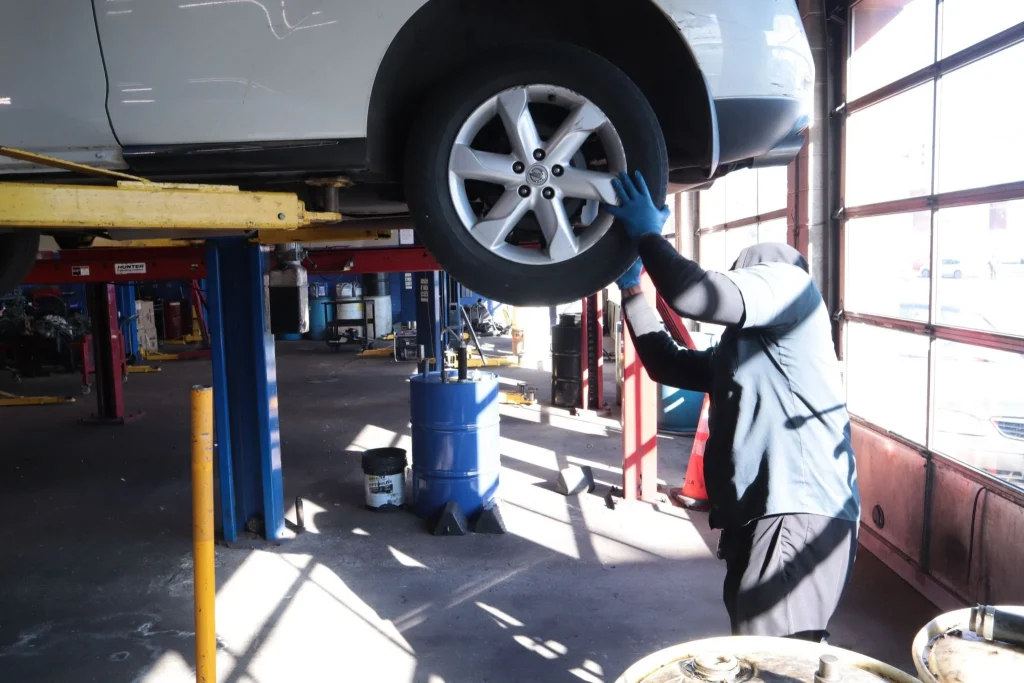
To become ASE certified, you pass the ASE test for your chosen area and meet the required hands-on work experience. The standard requirement is two years of relevant repair-technician experience, though completing a formal automotive program can substitute for part of that requirement. You register through ASE, sit the test at a proctored center, and the credential activates once both the exam and experience requirements are met.
The process is straightforward once you understand it:
For those entering the field, understanding the full ASE certification pathway early helps you plan training and testing in the right order rather than scrambling later.
Here is a point that trips up many beginners: you cannot shortcut the skill. ASE tests are built around real repair scenarios, so the technicians who pass are the ones who have genuinely done the work. That is why quality automotive technician training is the foundation of certification, not an optional add-on. The best automotive technician training puts you in a real shop early, so the exam feels like familiar work. A strong automotive technician training program builds the diagnostic habits, safety discipline, and systems knowledge the exams assume you already have.
Formal training also helps satisfy part of the experience requirement and compresses the time it takes to become job-ready. In other words, the right automotive technician training does double duty: it prepares you to pass ASE certification tests and it gets you working sooner.
Certification is affordable relative to its payoff. As of 2026, most ASE certification tests cost about $62 each, plus a one-time $34 registration fee per order (one fee covers multiple tests scheduled together). Advanced L-series tests cost roughly $124 each.
| Item | Approximate 2026 Cost |
| Registration fee (per order) | $34 |
| Most certification tests (A-series, G1, etc.) | $62 each |
| Advanced L-series tests (L1–L4) | $124 each |
| Recertification (per order, capped) | up to about $220 total |
| ASE Renewal App (A1–A9 maintenance) | $52 per year |
Certification lasts five years. You keep it current either by passing a shorter recertification test or, for A1–A9, by subscribing to the ASE Renewal App, which delivers periodic questions to maintain your credential over time.
In the Philadelphia area, automotive technician salary generally runs between roughly $52,000 and $67,000 per year, with experienced, certified, and specialized technicians reaching into the $70,000s and beyond. Nationally, the U.S. Bureau of Labor Statistics reports a median wage of about $50,620 for automotive service technicians and mechanics as of May 2025, with the top 10 percent earning more than $81,790.
Several factors shape an automotive technician salary in Philadelphia: experience, certification level, specialty, and shop type. The area tends to pay above the national median because of local demand, cost of living, and a steady mix of dealership, independent-shop, and fleet work. Certification is one of the clearest levers for moving up within that range. An ASE certified technician, and especially one who has reached Master Technician status or holds advanced specialties, is positioned for the higher end of local pay. Technicians exploring the highest-paying automotive paths available without a four-year degree will find that certification and specialization are recurring themes.
| Career Stage | Approximate Annual Range (Philadelphia Area) |
| Entry-level technician | $40,000 – $52,000 |
| Experienced technician | $55,000 – $67,000 |
| ASE-certified / Master / specialized | $68,000 – $80,000+ |
A note on how pay works: many shops use a flat-rate system, where fast, skilled technicians can effectively earn more than their base hourly rate suggests. Certification, speed, and specialization compound, which is how experienced techs push toward the top of the range. These automotive technician salary figures are regional estimates and vary by employer, specialization, shift, and experience; they are not guarantees.
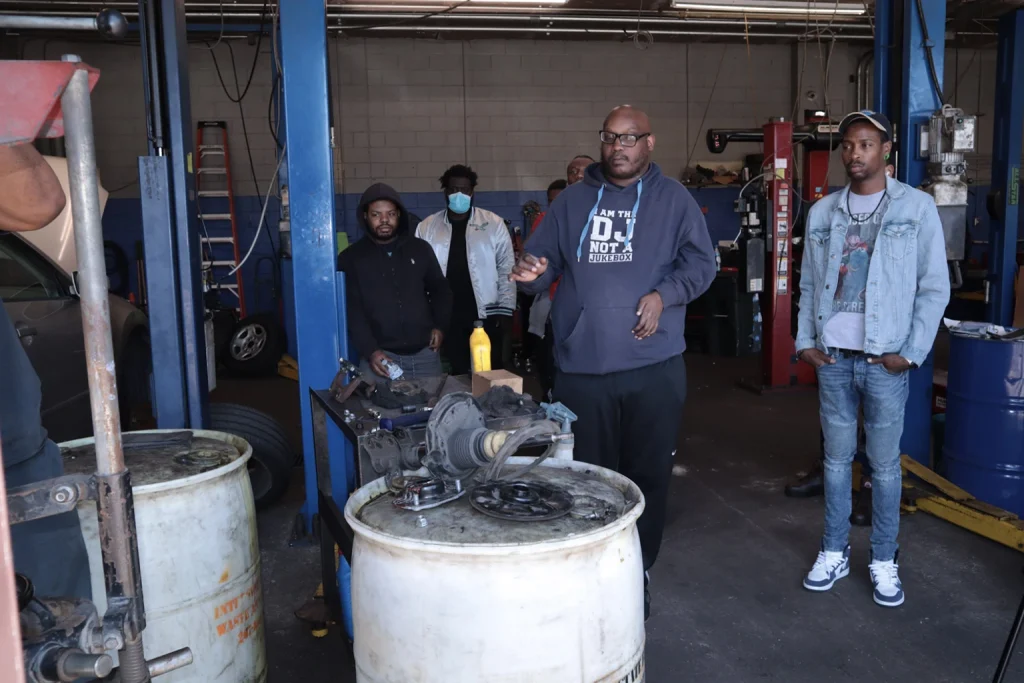
Modern cars are rolling computers. Advanced electronics, driver-assistance systems, and electrified drivetrains have changed what it means to be an auto technician. This shift rewards technicians who keep learning. The ones who understand why today’s technician is as much a diagnostician as a mechanic will find the strongest demand and the best pay. Certification is how you document that you have kept pace, and specialty credentials in electrical, engine performance, and EV systems are becoming some of the most valuable in the field.
If you are starting out, the most reliable path is to build hands-on skill in a real shop environment, then pursue certification as you gain experience. Philadelphia’s mix of dealerships, independent shops, and fleet operations creates steady opportunity for new technicians, from South and North Philadelphia to the surrounding communities in Pennsylvania, New Jersey, and Delaware, including Camden, Cherry Hill, Darby, Drexel Hill, and Lansdowne.
For many people, a focused program is the fastest way to get there. Learning the systems, diagnostics, and safety practices the industry expects is exactly how you prepare to begin an automotive technician career in Philadelphia with a clear plan for certification afterward. The goal is simple: get job-ready, start earning, and use certification to grow your income over time.
Philadelphia Technician Training Institute (PTTI) offers hands-on automotive technician training built around real shop work and industry-standard equipment, preparing students for the diagnostic and repair skills that ASE tests measure. It is a practical starting point for anyone who wants to enter the trade and build toward the certifications that raise pay.
ASE certification is one of the most practical investments an auto technician can make. It proves your skill in a language the whole industry understands, it influences hiring and promotion, and it is one of the clearest ways to raise an automotive technician salary over a career. The tests that matter most, the A-series foundation, Master Automobile Technician status . Along the advanced electrical, engine-performance, and EV specialties, are the ones that separate good technicians from highly paid ones.
For an ASE certified technician, specialization and Master status . These are the clearest routes to the top of the local pay range .The path starts with real, hands-on skill. If you are ready to build that foundation and work toward the certifications. As it raises lifetime earnings, explore PTTI’s Automotive Repair Technology program and take the first step toward a career in the trade.
No. It is voluntary and not a legal license to work on cars in Pennsylvania. However, many employers prefer or require it. Sometimes it leads to higher pay and better job opportunities, so most career-focused technicians pursue it.
The diagnostics-heavy and specialty tests tend to raise pay the most, including A6 Electrical/Electronic Systems, A8 Engine Performance, and advanced L-series credentials like L1 (Advanced Engine Performance) and L3 (Hybrid/EV). Master status also boosts earning potential.
It is valid for five years. To keep it active, you pass a shorter recertification test before it expires, or for A1–A9 you can maintain it through the ASE Renewal App. If it lapses, you can still recertify later by passing the current recertification test.
Most ASE certification tests cost about $62 each in 2026, plus a $34 registration fee per order. Advanced L-series tests run roughly $124 each. One registration fee covers multiple tests scheduled in the same order, which keeps costs down.
You can retake it. Many strong technicians don’t pass every exam on the first attempt. Review the specific content areas, get more hands-on practice . Also, study strategically before a retake to dramatically improve your odds the second time around.