
If you are weighing a four-year degree against the cost, the time, and the uncertainty that often comes with it, there is another path worth examining closely. Enrolling in a hands-on trade program can put you in a skilled, in-demand job in months rather than years, which is why so many students and career changers now look at a trade school in Philadelphia before committing to a traditional college route. The appeal is simple: start building real skills now, start earning sooner, and avoid years of debt.
This guide lays out your realistic options. It explains how long trade school actually takes, what different skilled trades pay in and around Philadelphia, which trade programs in Philadelphia you can realistically begin and finish within a year, and how to compare the trade-school path honestly against college. It is written for high school students and graduates, college students rethinking their plans, career changers, veterans, and adult learners who want a direct route into stable, well-paid work. By the end, you will know exactly what starting this year could look like.
The traditional assumption that a four-year degree is the only reliable path to a good career no longer holds up for everyone. College can be the right choice for some careers, but it is not the only route to stable, well-paid work, and for many people it is not the fastest or most affordable one. The skilled trades offer a genuine alternative: concrete skills, steady demand, and a paycheck that starts far sooner.
The math is hard to ignore. A four-year degree means roughly four years of tuition and, usually, four years before you earn a full-time professional wage. A focused trade program flips that equation. You train for a specific, employable skill, and you can be working in that field while a college freshman is still choosing a major. For students who already know they learn better by doing than by sitting in lectures, that difference is decisive.
There is also the question of debt. Many graduates spend years paying down student loans. By contrast, trade programs in Philadelphia generally cost far less and take far less time, so you reach the point of earning a return on your investment much faster. When people ask what trades pay well without a degree, the honest answer is that several do, and you can enter them quickly. For anyone weighing trade school vs college on cost alone, a trade school in Philadelphia often wins simply because you spend less and start earning sooner.
Most trade school programs take under a year, and some run as short as six to nine months. That is the core reason trade school is such a strong option for anyone who wants to start earning this year: the training is focused entirely on the skills employers need, so you are not spending time or money on unrelated coursework.
Exactly how long is trade school depends on the field you choose. Programs that lead to hands-on technician roles are built to be efficient, moving you from fundamentals to job-ready ability as directly as possible. So when you ask how long is trade school for a specific career, the honest answer is almost always “less than a four-year degree.” Here is a realistic view of typical timelines.
| Program Area | Typical Training Timeline | Pace to First Job |
| Sterile Processing / Central Services | About 6 months | Very fast |
| Welding Technology | Under a year | Fast |
| Automotive Repair Technology | Under a year | Fast |
| HVAC | Under a year | Fast |
| Manufacturing & Automation | Under a year | Fast |
| Steam, Sprinkler & Pipe Fitting | Under a year | Fast |
The takeaway is straightforward. If your goal is to be working and earning within twelve months, a trade school in Philadelphia makes that timeline realistic across several different career paths. The question becomes less “how long” and more “which trade fits me best.”
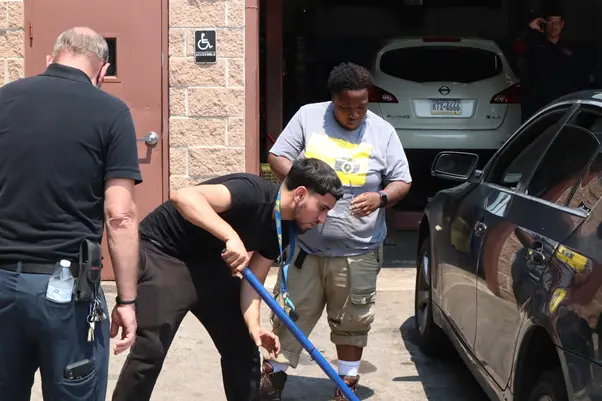
Skilled trades can pay competitively, and several reach or exceed $50,000 a year, with experienced and certified workers earning more. Pay varies by trade, certification, employer, shift, and overtime, so no figure is a guarantee, but the ranges show why high-paying trade careers draw so much interest from people who want strong income without a four-year degree.
The figures below reflect general 2026 regional and national conditions drawn from sources such as the U.S. Bureau of Labor Statistics and compensation data. They are estimates to inform your planning, not promises of a specific salary.
| Trade | Approximate Earning Range | Notes |
| Welding Technology | $52,000 – $60,000+ | Higher with certification, pipe work, or union roles |
| HVAC | Around $59,000 national median | Strong demand; pay rises with experience |
| Steam, Sprinkler & Pipe Fitting | $55,000 – $70,000+ | Union and commercial work pays well |
| Manufacturing & Automation | $50,000 – $60,000 | Automation skills add value |
| Automotive Repair Technology | ~$47,000 – $55,000 | Specialization raises pay |
| Sterile Processing / Central Services | Low-to-mid $40,000s and up | Rises with certification and experience |
A few honest points matter here. Overtime is common in many trades and can lift take-home pay meaningfully. Certifications tend to raise earning potential across every field. And because these are skill-based credentials, your value grows as you gain experience. When people ask what trade makes the most money, the answer usually points to specialized, certified, or union roles, which you build toward after your initial training.
You can begin and complete several skilled trades programs within a year, and the right one depends on your interests, your tolerance for physical versus detail-oriented work, and the industries you find appealing. Below is a practical rundown of fast routes into the workforce, each one a field where focused training leads directly to entry-level roles.
Welding is one of the most recognizable high-paying trade careers, and demand stays steady because welders are needed in fabrication, construction, shipbuilding, and infrastructure repair. Training in a Welding Technology program focuses on the core processes, position welding, and blueprint reading that employers test for, so you can move toward certification and a paycheck quickly.
Heating, ventilation, and air conditioning work combines mechanical skill with problem-solving, and the field has strong hiring demand as buildings and systems age. Because HVAC systems run year-round, qualified technicians stay busy. Focused HVAC training prepares you for installation, maintenance, and diagnostics, which are exactly the skills employers across the region are hiring for.
If you want a healthcare career without years of schooling, sterile processing is one of the fastest routes in. Sterile processing technicians clean, inspect, and sterilize surgical instruments, and the role is essential to every hospital and surgical center. Training in sterile processing and central services can often be completed in about six months, making it one of the quickest paths to a stable medical-field job.
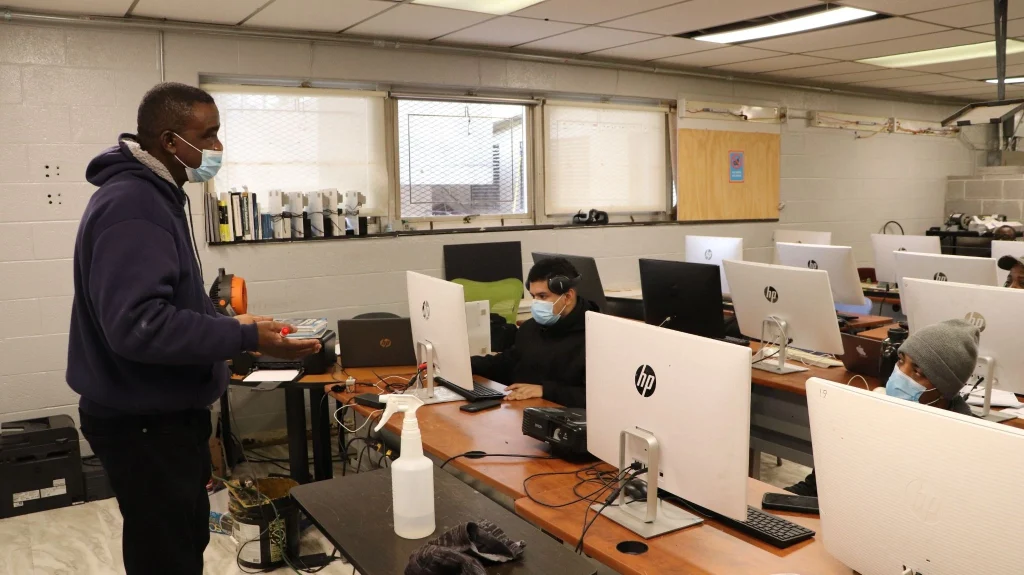
Modern vehicles are rolling computers, which means automotive technicians now blend mechanical skill with electronic diagnostics. The work is hands-on and consistently in demand. A program in automotive technology and repair builds the diagnostic and repair skills that shops look for, and specialization later can raise your pay considerably.
Manufacturing has evolved into a high-tech field, and technicians who understand automation, controls, and electrical systems are in demand. Training in manufacturing and automation positions you for work in plants and facilities that increasingly rely on automated systems, a skill set that keeps growing in value.
Pipefitting and steamfitting are mechanical trades tied to commercial buildings, fire-protection systems, and industrial facilities. They often lead to strong union pay. Learning the fundamentals of steam, sprinkler, and pipe systems opens the door to well-compensated work that is difficult to automate and consistently needed across the Philadelphia region.
Beyond these, construction-focused paths such as concreting and masonry, along with drywall framing and finishing, round out the options for people who want to build a career in the building trades. Across all of them, the common thread is the same: skilled trades training Philadelphia students can complete quickly and turn into real work. These are among the most in-demand trade programs in Philadelphia right now, and most lead toward recognized high-paying trade careers once you gain experience and certifications.
For many people deciding what to do after high school or how to change careers, the real question is trade school vs college. Both have genuine value, and the right answer depends on your goals, learning style, and finances. Here is a balanced comparison rather than a one-sided pitch.
| Factor | Trade School | Four-Year College |
| Time to earn | Often under a year | About four years |
| Typical cost | Lower, focused tuition | Often significant, with debt common |
| Learning style | Hands-on, applied | Largely academic, lecture-based |
| Job-specific skills | Directly employer-aligned | Broader, less immediately applied |
| Path to income | Starts sooner | Usually delayed |
| Best fit for | Technical, hands-on careers | Careers requiring a degree |
College remains the right path for professions that legally or practically require a degree. But if your goal is to enter a skilled, well-paid trade without spending four years and taking on heavy debt, trade school is not a lesser choice; it is the direct one. In the trade school vs college decision, the deciding factors are usually your learning style, your finances, and how quickly you want to work. This is also why many people choosing between community college and a dedicated trade institute lean toward the institute when the goal is hands-on, career-focused training.
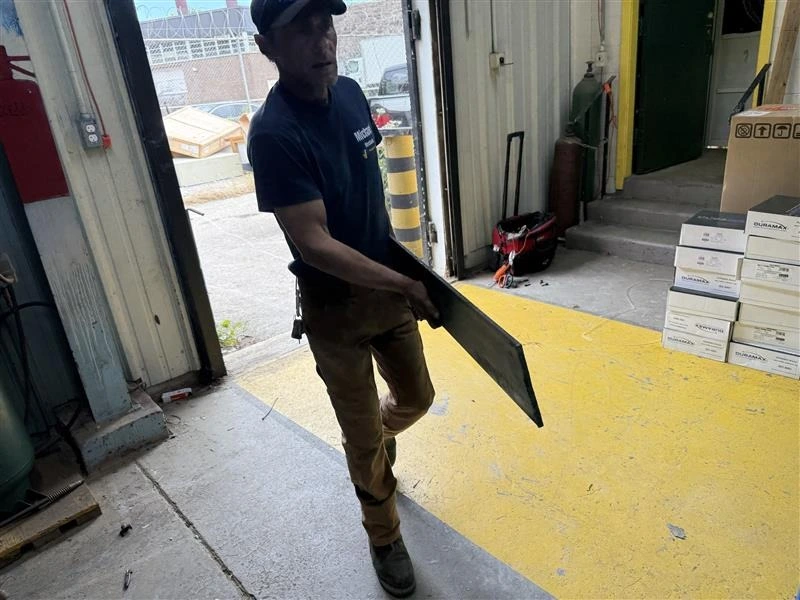
Choosing the right trade school in Philadelphia matters as much as choosing the right trade. Not every program delivers the same quality, so focus on the factors that actually affect your outcome:
A strong program will be upfront about all of this. If you are comparing options, the school’s admissions team and a conversation about financial aid can help you understand costs and plan a path that fits your budget without pressure.
The fast-track trades route fits a wide range of people. High school students and recent graduates who want a direct, debt-light start find it appealing. College students rethinking an expensive or uncertain path use it to pivot quickly. Career changers and adults re-entering the workforce value how fast they can retrain, and adult learners can move into a skilled trade in less than a year. Veterans often find that their discipline and work ethic transfer directly into technical careers.
If you prefer working with your hands, want skills that pay, and would rather build something real than sit through years of general coursework, the skilled trades deserve a serious look. Whatever your starting point, a trade school in Philadelphia can meet you where you are and move you toward high-paying trade careers fast. The best part is that you do not have to wait to find out; you can start this year.
You do not have to spend four years and tens of thousands of dollars to build a stable, well-paying career. The skilled trades offer a faster, more affordable route, and in a region with steady hiring demand, that route is especially practical. Whether you are drawn to welding, HVAC, automotive work, sterile processing, manufacturing, or the pipe trades, the trade programs in Philadelphia built around hands-on skill can take you from where you are now to a real paycheck in months.
The honest truth is that the hardest part is simply deciding to begin. If you are ready to explore what starting this year could look like, schedule a visit or talk with PTTI’s admissions team to find the program that fits your goals.
Most trade school programs take under a year, and some, like sterile processing, run about six months. A four-year degree takes roughly four years. That difference is the main reason a trade school in Philadelphia lets you start earning far sooner than the traditional college path.
Several, including welding, HVAC, automotive repair, manufacturing and automation, pipefitting, and sterile processing. A trade school in Philadelphia designs these trade programs for speed-to-career, focusing on hands-on skills so you can move toward an entry-level job quickly.
High-paying trade careers often include welding, pipefitting, and HVAC, which commonly reach $50,000 or more, with certified, specialized, or union workers earning beyond that. Earnings vary by experience, employer, and location, so these are ranges rather than guarantees.
Trade school typically costs a fraction of a four-year degree and takes far less time, which means less debt and a faster return on your investment. Exact costs vary by program, so it is worth discussing tuition and financial options directly with the school.
Yes. Skilled trades training Philadelphia programs are well suited to career changers, veterans, and adult learners because they are short, focused, and lead to in-demand work. For many people deciding trade school vs college later in life, skilled trades training Philadelphia schools offer is the faster way to retrain and enter a new field, often in under a year.