
Large commercial construction projects need skilled workers who know how to use tools, follow plans, and work safely. They also need workers who can handle practical tasks with confidence. If you want to enter this field, starting with the right training can make a difference. A good program should teach more than basic construction terms. It should give you time to practise the skills used in your chosen trade.
For students looking for construction training in Philadelphia, trade schools can offer a practical way to prepare for entry-level work.
Commercial construction involves many different trades. A single project may bring together concrete workers, framers, drywall technicians, welders, pipe fitters, and other skilled workers. Each trade has its own requirements. However, most construction workers need a strong understanding of tools, materials, measurements, workplace safety, and construction methods.
You also need to know how to work as part of a team. Large projects involve many workers completing different tasks at the same time. Good communication and attention to detail are important on these job sites. This is why commercial construction training should include practical learning. Students need opportunities to apply what they learn instead of only reading about it.
Philadelphia Technician Training Institute (PTTI) offers several programs related to construction and skilled trades. Students can explore training in areas such as concreting, masonry, framing, drywall, welding, and pipe fitting. These trades can connect to different types of construction and industrial work.
PTTI focuses on hands-on technical education. Students can learn trade skills while working with tools, materials, and equipment related to their program.
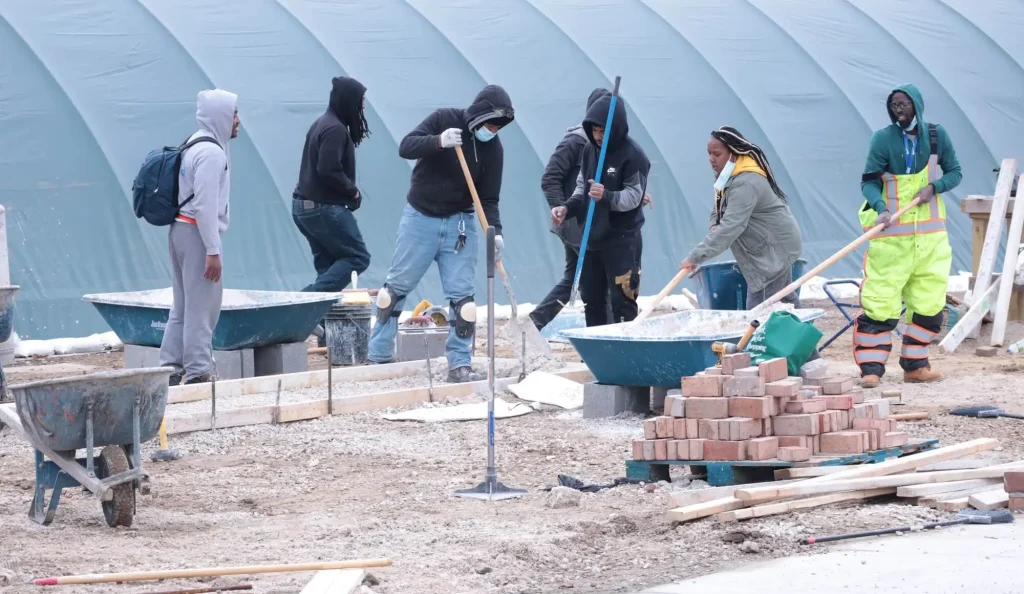
This approach can be useful for people who prefer learning by doing. It also gives students a chance to become more familiar with the type of work they may encounter after training.
Construction is not an industry where practical skills can be learned from a textbook alone. You need to understand how materials behave. You need to know how to handle tools properly. You also need practice with common tasks before you enter a professional work environment.
Hands-on construction training gives students that opportunity. Instead of only listening to an instructor, students can practise skills and learn from mistakes in a training environment. Instructors can also explain where a technique is useful and how to complete a task correctly.
Over time, this practice can help students become more comfortable with their chosen trade.
Not everyone who wants to work in construction wants to do the same job. Some students enjoy working with concrete and building structures. Others may be more interested in framing or drywall installation. Some prefer working with metal, while others are interested in piping systems. Your interests should guide your choice of training.
PTTI’s construction-related programs give students different areas to explore. A student interested in structural work may consider concreting, masonry, and framing. Someone interested in interior construction may look into drywall framing and finishing. Welding can provide another path for students who enjoy working with metal. Pipe fitting can also be an option for those interested in installing and maintaining piping systems.
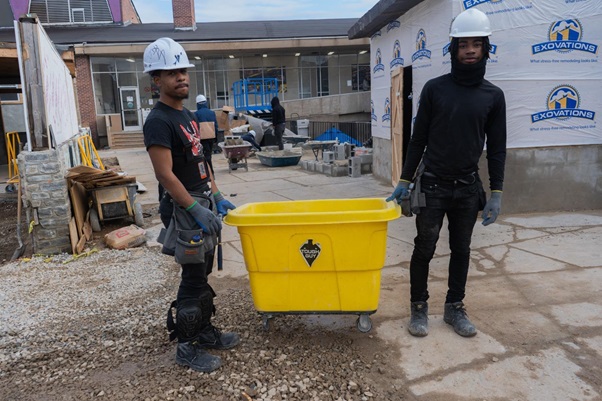
Choosing the right trade early can help you focus your training on the skills you want to develop.
Choosing a construction trade school in Philadelphia involves more than finding a program with the right name. First, look at what you will actually learn. Check whether the program includes practical training and technical instruction. Next, consider the learning environment. Construction students should have opportunities to practise trade skills under instructor guidance.
You should also look at the experience of the instructors. Teachers with practical knowledge can help students understand how classroom concepts connect with actual trade work. Career support is another factor to consider. Moving from training into employment can feel easier when students have access to career guidance and job search support.
A large construction site can be busy and demanding. Several trades may work together in the same area. Workers must complete their tasks while following safety rules and project requirements.
Training can help you become familiar with this type of work. You can learn how to handle tools correctly. You can practise measurements and basic construction techniques. You can also learn why safety procedures matter. These skills create a foundation for your first job.
However, training is only the beginning. Real job-site experience continues to build your skills. As you gain experience, you can become more familiar with project schedules, workplace communication, materials, and job-site expectations.
Yes. Technical skills are important, but employers also look for reliable workers.
Showing up on time matters. Following instructions matters. Working safely matters. So does communicating with supervisors and other workers. Large commercial projects depend on teamwork. One person’s work can affect another person’s ability to complete their task.
For this reason, students should use their training period to develop good work habits as well as technical skills.
Large commercial construction projects depend on skilled workers across many different trades. From concrete and framing to drywall, welding, and pipe fitting, each role requires specific knowledge and practical ability.
If you are searching for construction training in Philadelphia, start by thinking about the type of work you want to do. Then look for a training program that gives you the opportunity to learn and practise those skills.
With the right training, you can build a strong foundation for entering the skilled trades and gaining experience in the construction industry.
1-What type of training prepares you for commercial construction?
Hands-on training in concrete, framing, drywall, welding, or pipe fitting can help build practical construction skills.
2-Where can I find construction training in Philadelphia?
PTTI offers hands-on training programs in several construction and skilled trade areas for Philadelphia students.
3-Is hands-on training important for construction careers?
Yes. Practical training helps students practise tools, techniques, measurements, and workplace procedures before entering employment.
4-Can trade school help me start a construction career?
Trade school can provide technical knowledge and practical skills that create a foundation for entry-level construction opportunities.
Read more blogs: