
A thirty-year horizon is a serious test for any job, and it is exactly the right test to apply before you commit to one. The honest answer for the skilled trades is encouraging: the work can carry you from your first day of training all the way to a comfortable retirement, as long as you plan the path instead of drifting through it. Across welding, pipefitting, HVAC, automotive repair, masonry, and sterile processing, people who treat the work as a three-decade strategy tend to retire with real savings, often a pension, and a skill that stayed in demand the whole way. This guide maps that long path in plain terms. You will see how pay and responsibility grow over the years, what retirement benefits the trades actually offer, which fields are built to last, and how focused hands-on skilled trades training at a trade school in Philadelphia sets the foundation. Whether you are a high school graduate, a career changer, or an adult starting over, the aim is a realistic picture of a trade career that genuinely lasts.
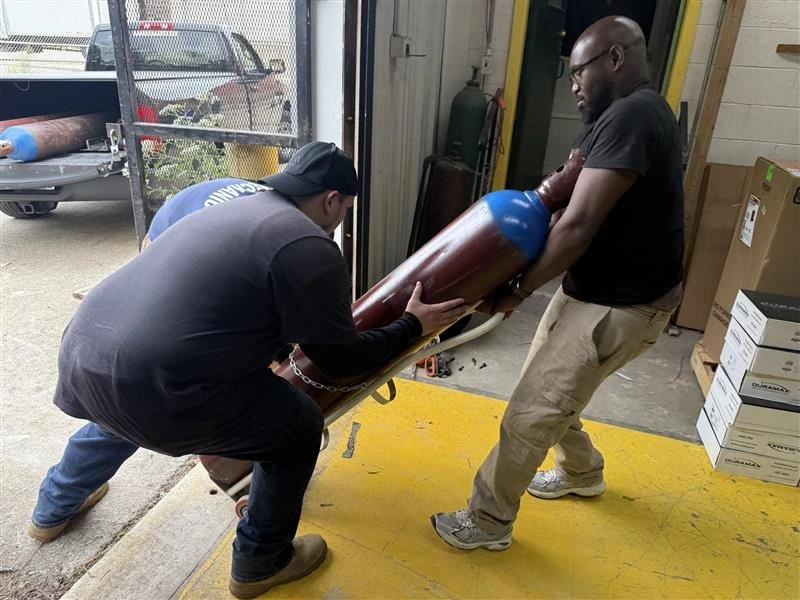
Yes. A career in the skilled trades can realistically last 30 years and lead to retirement, because the skilled trades combine steady demand, rising pay with experience, and portable credentials. The work evolves as your body and interests change, moving from hands-on labor toward inspection, supervision, or training, so the work adapts over time rather than expiring. The reason the work holds up over decades comes down to how value is created in it. A seasoned welder, pipefitter, or technician is not easily replaced, because judgment built over years, the ability to read a complex job, troubleshoot a failure, and get it right the first time, is exactly what employers pay more for as you age. In most desk jobs, experience eventually plateaus. In the trades, deep experience is the product. That is why a well-managed path tends to reward longevity rather than punish it.
A skilled trades career is best understood as a series of stages, each with more skill, autonomy, and income than the last. Someone who starts with focused skilled trades training and keeps stacking credentials follows a path that looks roughly like this:
| Stage | Typical Window | What Changes |
| Entry-level / apprentice | Years 0–2 | Foundational skills, safety, supervised work, lowest pay |
| Journey-level technician | Years 2–7 | Independent work, first certifications, meaningful pay increase |
| Specialist | Years 7–15 | Pipe welding, advanced diagnostics, niche systems; premium pay |
| Lead / supervisor / inspector | Years 15–25 | Running crews, quality control, estimating, less physical strain |
| Owner / instructor / senior expert | Years 25–30+ | Business ownership, teaching, consulting; highest earning flexibility |
No two paths are identical, and plenty of people move faster or branch sideways into a related field. The point is that there is real vertical movement here. A welding career, for example, can begin at a fabrication shop and progress through certified specialty welding, then into welding inspection or supervision, where the paycheck grows while the physical demands ease. That upward structure is what makes a trade career a credible 30-year plan rather than a job you age out of.
Many do, and this is one of the trades’ most underrated advantages. Union building-trades roles in welding, pipefitting, sprinkler fitting, and related fields frequently include a defined-benefit pension, an annuity, and health coverage, benefits that have largely disappeared from the private office economy. Non-union roles typically offer 401(k)-style plans instead.
This matters enormously over a 30-year horizon. Traditional pensions are now rare across the broader workforce, yet they remain common in the organized skilled trades, which means a tradesperson can finish a skilled trades career with guaranteed monthly retirement income on top of personal savings. The choice between organized labor and direct employment shapes those benefits, and it is worth understanding early; the practical trade-offs are laid out well in this breakdown of the union path versus direct employment for skilled trade workers. Either route can fund a retirement, but they get there differently, and knowing the difference before you start helps you plan the full 30 years rather than improvising at the end.
The most durable trades share three traits: they are hard to automate, tied to infrastructure that always needs maintenance, and governed by codes that require skilled human judgment. By that measure, several of these trades that pay well stand out as strong foundations for a lifelong career in the skilled trades.
Among these, pipe-based trades deserve special attention for longevity. Steam, sprinkler, and pipe fitting training leads into work that is heavily unionized, strongly tied to commercial construction, and consistently in demand, a combination that supports both strong lifetime earnings and retirement benefits.
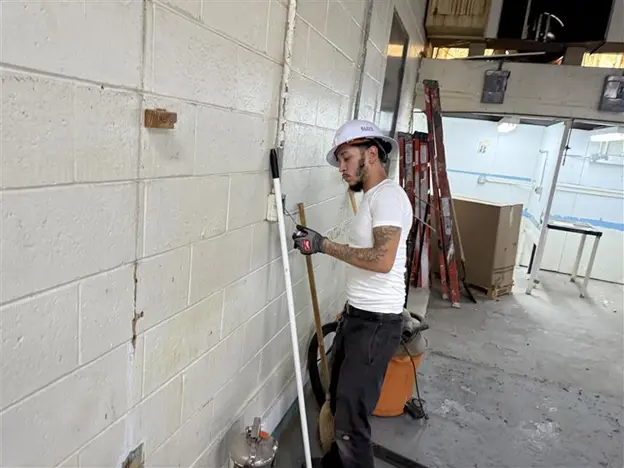
A fair concern about any physically demanding trade is whether the body can handle 30 years of it. The realistic answer is that smart tradespeople change how they work as they age. The early years are the most physical; later years shift toward supervision, estimating, inspection, quality control, and teaching, roles that pay well and lean on experience rather than raw labor.
Technology helps, too. Fields like manufacturing and automation increasingly blend mechanical work with controls, robotics, and diagnostics, reducing physical strain while raising the value of the technician. Protecting your body with good ergonomics, proper equipment, and timely moves into less strenuous roles is simply part of planning work that reaches the finish line.
Some of the highest-paying trade jobs require no bachelor’s degree at all; they reward demonstrated skill and certification. This is the heart of why so many people choose this route: you can reach a strong income on a short training timeline and then grow it for decades without student-loan debt. The fact that these trades that pay well sit outside the traditional college system is a feature, not a compromise.
| Trade | Why It Pays | Long-Term Upside |
| Welding (certified/pipe) | Inspection-critical, specialized skill | Specialty welding, inspection, supervision |
| Pipefitting / steamfitting | Union-heavy, commercial demand | Journeyman scale, foreman, pension |
| HVAC | Essential systems, rising complexity | Service management, business ownership |
| Automotive / diesel | Diagnostics premium, EV growth | Master tech, shop ownership |
| Manufacturing automation | Controls and robotics expertise | Maintenance lead, automation specialist |
A few honest caveats belong here. Earnings vary by employer, region, certification, specialization, overtime, and union status, and no school or article can promise a specific salary or job. What is fair to say is that high-paying trade jobs consistently reward people who keep learning. The person who earns extra certifications and moves into specialty or leadership work typically out-earns the one who stays at entry level, which is precisely why the trades that pay well best are the ones you commit to for the long haul. For many students, HVAC training or a certified welding path becomes the entry point to exactly that kind of growth, and other high-paying trade jobs follow the same logic of skill compounding over time.
Planning a durable trade career means thinking in decades from day one. Start with strong training, earn credentials early, specialize deliberately, protect your body, and treat retirement savings as part of the plan rather than an afterthought. Here is a practical roadmap.
Financing the first step matters, too. Understanding financial aid options for those who qualify can make the difference between stalling and starting, and starting early is what gives a skilled trades career the full runway to reach retirement.
Philadelphia is an unusually good launchpad for a long career in the trades, and the reasons are structural. The region combines aging infrastructure that needs constant maintenance, active shipbuilding and ship repair, a large healthcare sector that employs sterile processing technicians, ongoing commercial and residential construction, and a manufacturing base that is modernizing. That diversity means a tradesperson here is not dependent on any single industry staying strong for 30 years, which is a major reason a trade school in Philadelphia can be such a practical starting point.
The opportunity extends well beyond the city core. Skilled trades work reaches across North, South, West, and Northeast Philadelphia and neighborhoods like Spring Garden, Mantua, Powelton Village, and Overbrook Park, and into nearby communities such as Yeadon, Lansdowne, Darby, Drexel Hill, and Ardmore. Across the river, demand continues in South Jersey towns including Camden, Pennsauken, Collingswood, Cherry Hill, and Maple Shade. Because trade credentials are portable, training at a trade school in Philadelphia positions you to follow high-paying trade jobs throughout the tri-state region, including into Delaware, over an entire skilled trades career. For adults weighing a second career, a trade school in Philadelphia also offers a faster route back into the workforce than a four-year degree.
A 30-year path is only as strong as its first step, which is focused, hands-on training that makes you job-ready and certification-ready. Philadelphia Technician Training Institute (PTTI) concentrates on exactly that: practical, lab-based skilled trades training on industry-standard equipment across welding, steam and pipe fitting, HVAC, automotive, masonry, manufacturing and automation, sterile processing, and drywall.
For high school graduates, career changers, veterans, and adult learners, the appeal of this trade school in Philadelphia is a direct route into the workforce without years of general academics or heavy debt. An automotive technology program teaches modern diagnostics; the welding and pipefitting programs prepare students for the certifications employers test for; and every program is built around the skills job sites actually expect. None of this guarantees a salary or a job, and no honest school would claim otherwise. What quality training does is set a higher ceiling, giving you the foundation to climb the stages of this career over decades. The admissions team can walk you through which program fits your goals and timeline.
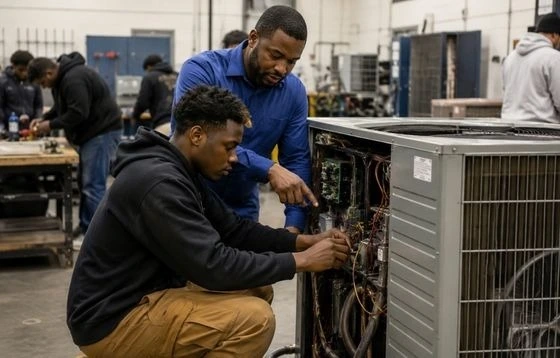
A trade career answers the thirty-year question better than most people expect. The path is real and repeatable: train well, certify early, specialize deliberately, shift toward less physical roles as you age, and save consistently so that a pension or retirement plan meets you at the finish line. The skilled trades reward exactly the thing so many jobs fail to, which is experience that compounds instead of fading. If you are ready to take the first step on a path built to last, explore PTTI’s trade programs and connect with admissions to find the fit for your goals.
Yes. The skilled trades offer steady demand, rising pay with experience, and portable credentials, and the work shifts from physical labor toward inspection, supervision, and training as you age. With planning, a trade career can run a full 30 years and help fund a comfortable retirement.
Many do. Union building-trades roles often include defined-benefit pensions, annuities, and health coverage, which are increasingly rare elsewhere. Non-union positions usually offer 401(k)-style plans. Either path can fund retirement, but the benefits differ, so it pays to understand both early.
High-paying trade jobs that need no four-year degree include certified and pipe welding, pipefitting and steamfitting, HVAC, diesel and automotive repair, and manufacturing automation. These trades that pay well reward certification and specialization, so income grows steadily with skill across a skilled trades career.
No. The trades are one of the most realistic second-career paths for adults, and a trade school in Philadelphia is often designed with career changers and older learners in mind. Because training is focused and credentials come quickly, adults can enter the workforce without starting over academically.
Look for genuine hands-on labs, industry-standard equipment, certification preparation, instructors with real field experience, and career support. Strong skilled trades training is what makes the early years of a new career productive and sets up the specialization and advancement that carry you toward retirement.