
If you do your best work quietly, prefer solving a problem to selling one, and feel drained after a day of constant small talk, you may assume most good careers are closed to you. They are not. Many of the hands-on trade careers that pay well reward exactly the traits introverts tend to have: focus, patience, precision, and the ability to concentrate for long stretches without needing an audience. The question is not whether you are outgoing enough. It is whether you want work that values skill over small talk.
This guide looks honestly at whether the skilled trades are a good fit if you are introverted or simply do not love dealing with people all day. We will cover which of the best trades for introverts involve the least constant interaction, how much contact with others each one really requires, what you earn, how long training takes, and what a hands-on learner in Philadelphia should do next. The goal is a clear, realistic picture so you can decide for yourself.
Yes. Introverts often thrive in the skilled trades because most trade work rewards concentration, accuracy, and independent problem-solving rather than constant conversation. You are judged on the quality of what you build, repair, or process, not on how much you talk. For many quiet, detail-focused people, that is a better fit than a customer-facing office job.
Introversion is frequently misunderstood as shyness or dislike of people. More accurately, it describes where someone draws energy. Introverts tend to recharge through focused, lower-stimulation work and find heavy, continuous social demand tiring. A large share of trade work is structured exactly that way: a task in front of you, a standard to meet, and the quiet satisfaction of getting it right. That is why so many of the best trades for introverts center on craft rather than crowds.
This does not mean the trades are antisocial. You will still coordinate with a small crew, take direction, and communicate about the job. But the rhythm is different from roles built around selling, presenting, or managing a steady stream of customers, which is why so many trade jobs for introverts feel sustainable rather than draining.
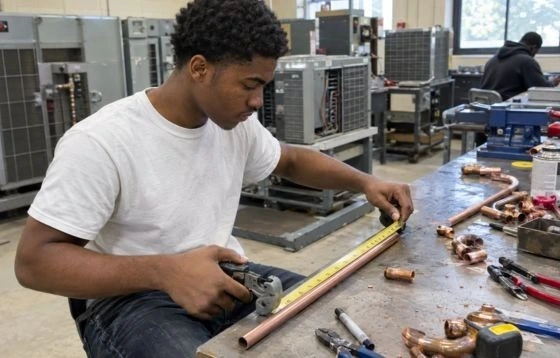
Trade work tends to reward a specific set of strengths, and several of them line up naturally with how introverts prefer to operate. If you have ever lost track of time while fixing or building something, you already understand the appeal of hands-on trade careers.
These are also the traits employers value. When hiring managers describe a strong technician, they rarely say “most talkative.” They say reliable, precise, safety-minded, and steady. Those qualities show up often in people who would never call themselves extroverts, which is one reason skilled trades careers can be such a strong match.
No trade is completely solitary, but some involve far less continuous public contact than others. Below are strong options for trade jobs for introverts, with an honest note on the people side of each. All are fields you can enter through focused training rather than a four-year degree.
Welding is often the first trade quiet, hands-on people gravitate toward, and for good reason. Much of the day is you, the metal, and a standard to hit. Communication tends to happen around the work, not during it, since the actual welding demands your full attention and often a helmet down. Welders work in fabrication shops, manufacturing, shipbuilding, and infrastructure, and the credential travels well. For a deeper look at regional earnings, PTTI’s breakdown of welder salary trends across Pennsylvania is a useful starting point. Interaction level: low to moderate.
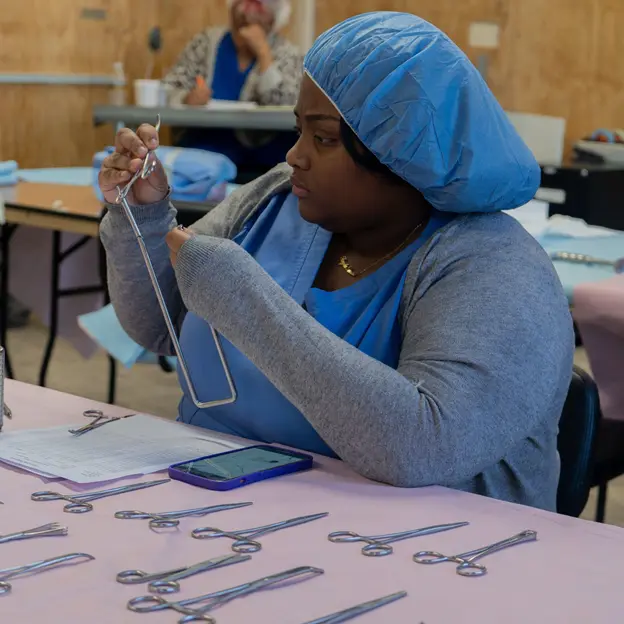
Sterile processing is one of the most overlooked quiet trades. Technicians clean, inspect, assemble, and sterilize surgical instruments in a hospital’s central supply department, usually behind the scenes rather than at the bedside. It is methodical, standards-driven work with minimal public or patient interaction, which many introverts find ideal. A sterile processing tech role rewards precision and consistency, and the field has steady healthcare demand. Interaction level: low, mostly within a small department team.
Modern manufacturing has moved well beyond repetitive line work. Automation technicians set up, monitor, and troubleshoot CNC equipment and robotic systems, which is focused, technical problem-solving more than conversation. If you like systems, logic, and getting a machine to run exactly right, this is one of the stronger skilled trades careers for a methodical mind. You can explore how this field fits different personalities on PTTI’s Manufacturing & Automation program overview. Interaction level: low to moderate, team-based but task-focused.
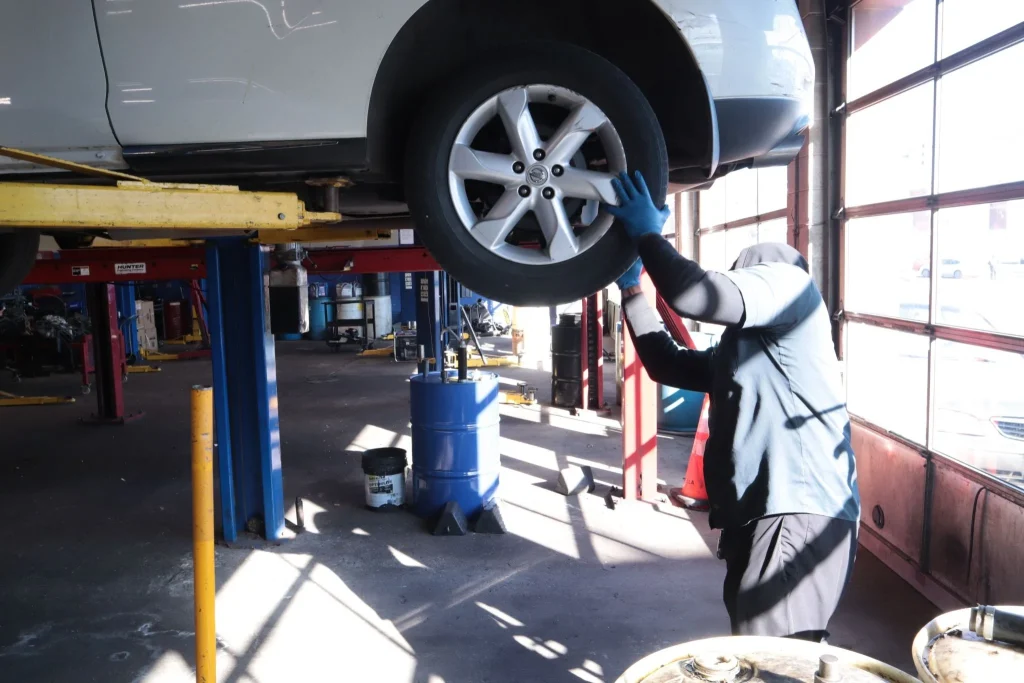
Automotive work varies. In a dealership service lane you may face customers often, but many technicians work mostly in the bay, diagnosing and repairing vehicles with limited direct customer contact. Modern auto repair is increasingly about electronics and diagnostics, which rewards patient, analytical thinking. If the diagnostic side appeals to you, the Automotive Repair Technology path leans more toward quiet problem-solving than sales. Interaction level: moderate, and lower in repair-focused shops.
Pipe fitting, steam, and sprinkler work is skilled, code-driven, and physical, carried out on job sites and in mechanical rooms with a small crew. It is collaborative in short bursts rather than customer-facing, and much of the day is measuring, cutting, fitting, and problem-solving. For people who want hands-on trade careers with strong union and commercial demand but little retail-style interaction, the Steam, Sprinkler & Pipe Fitting field is worth a close look. Interaction level: low to moderate.
Most skilled trades involve far less continuous interaction than customer-service or sales jobs, but almost none are fully solitary. Expect short, purposeful communication with a small crew or department, direction from a lead or supervisor, and occasional contact with inspectors or clients, rather than an all-day stream of conversation.
It helps to separate two things introverts sometimes lump together: dealing with the public and working with a team. The best trades for introverts usually cut way down on the first while keeping a manageable amount of the second. You will talk to coworkers, but it is task-driven, familiar, and finite, which is very different from managing strangers all day.
| Trade | Typical People Contact | Nature of Interaction |
| Sterile Processing | Low | Small department team, behind the scenes |
| Welding | Low–Moderate | Crew coordination, heads-down task time |
| Manufacturing & Automation | Low–Moderate | Team-based but machine- and task-focused |
| Pipe Fitting / Steam | Low–Moderate | Small job-site crew, short bursts |
| Automotive Repair | Moderate | More in service lanes, less in repair bays |
If near-zero interaction is the goal, sterile processing and heads-down welding or CNC work tend to fit best. If you are fine with a steady crew and just want to avoid selling and public-facing roles, nearly every option above works.
No, most skilled trades do not require a four-year degree. They are entered through focused, hands-on training and certification, which is one reason so many people choose trades that pay well without a degree over an expensive, uncertain college path. For many quiet, practical learners, that is also a more comfortable way to learn.
Training length varies by field, but the pattern is consistent: concentrated programs that build a specific, testable skill. Rather than years of general coursework, you spend your time on the actual task, often finishing in several months to around a year depending on the trade. That shorter runway is a major reason adults and career changers find the trades approachable.
Cost is lower, too. Because programs are focused and shorter than a degree, total investment is typically a fraction of four years of tuition, and the path to earning begins much sooner. When people ask how long trade school takes or what it costs, the honest answer is that both are modest compared with a bachelor’s degree, though exact figures depend on the program. For current wage context by occupation, the U.S. Bureau of Labor Statistics is the most reliable public source.
A quick, realistic snapshot of local earning ranges for several of these fields:
| Field | Typical Entry Range (Regional) | Grows With |
| Welding | ~45,000–52,000 | Certifications, pipe/specialty work |
| Sterile Processing | ~40,000–50,000 | Certification, experience, shift |
| Manufacturing / Automation | ~45,000–55,000 | CNC/robotics skill, maintenance roles |
| Pipe Fitting / Steam | ~48,000–60,000+ | Union scale, licensing, experience |
Figures are regional estimates and vary by employer, certification, shift, overtime, and experience. These are educational ranges, not guarantees of pay or placement.
Employers in the trades consistently prioritize ability and reliability over personality. The competencies that get you hired and promoted are ones quiet, focused people often already have, which is why skilled trades careers suit so many introverts.
Notice what is not on that list: being the loudest person in the room. The trades reward people who let their work do the talking, which is often exactly how introverts prefer to operate. It is also why trade jobs for introverts tend to reward steady performers who may be overlooked in louder, sales-driven workplaces.
For someone in the Philadelphia area who learns best by doing and would rather build skill than sit through lectures, a focused trade school in Philadelphia is often a better fit than a traditional college. The right trade school in Philadelphia lets you spend most of your time on real equipment in a shop or lab setting, which suits practical, independent learners far better than a lecture hall.
Philadelphia Technician Training Institute (PTTI) offers hands-on training across welding, manufacturing and automation, automotive repair, steam and pipe fitting, concreting and masonry, and central processing and sterile services, serving students across the city and nearby communities in Pennsylvania and South Jersey. If you are weighing options, PTTI’s admissions team can walk you through which program best matches a quieter, task-focused working style.
Access reaches well beyond Center City. Students come from North, South, West, and Northeast Philadelphia and from neighborhoods such as Mantua, Powelton Village, Overbrook Park, and Wynnefield, as well as nearby towns including Camden, Pennsauken, Cherry Hill, Darby, Lansdowne, and Drexel Hill. Because trade credentials are portable, training centrally positions you to work throughout the region once you finish.
Being introverted is not a reason to rule out a hands-on career. In fact, it is often an advantage. The best trades for introverts reward the very traits quiet, focused people bring naturally: concentration, precision, patience, and a preference for letting good work speak for itself. From sterile processing to welding to automation, there are real, well-paying paths that keep public interaction low while giving you a tangible skill and steady regional demand, all without the time and cost of a four-year degree.
If that sounds like the kind of work you would actually enjoy, the next step is simple: find a hands-on trade school in Philadelphia and explore PTTI’s programs and talk with admissions about which one fits a quieter, task-focused working style best.
Yes. Most trade work rewards focus, precision, and reliability rather than being outgoing. Introverts often excel because the job is judged on quality of work, not on constant conversation, making the trades one of the better fits for quiet, detail-oriented people.
Sterile processing, welding, and manufacturing or automation work tend to involve the least public contact. These are heads-down, standards-driven roles with mostly small-team interaction, making them strong trade jobs for introverts who want to avoid customer-facing work.
Usually far less than sales or customer-service roles. You coordinate with a small crew and take direction, but much of the day is focused task work. Public contact is limited in most shop-, lab-, and facility-based trades.
No. Most skilled trades are entered through focused hands-on training and certification, not a four-year degree. This is a major reason many people choose trades that pay well without a degree, often starting to earn within months of beginning training.
Sterile processing is among the most low-interaction options, taking place behind the scenes in hospital central supply. Welding and CNC/automation are close behind for people who want focused, quiet task work with strong local demand.