
This is the most-awaited moment for graduates, as you work day and night just to get in front of an employer. You show up to the hiring event and hope a local business owner notices you. You walk in. Tables, banners, and people in work shirts who actually hire. Your mind goes blank. Sound familiar? Knowing how to introduce yourself to employers at a trade school hiring event can turn that awkward moment into an easy one. You don’t need a perfect speech. However, you do need a plan. Here’s a simple one that works, even if you’re nervous.
The first 30 seconds matter because they show your confidence and willingness to join the industry workforce. Employers meet many people at these events. They also remember the ones who felt clear and genuine. That first impression often decides whether they ask a second question or move on.
Here’s what employers notice in students right away:
So a short, honest introduction goes a long way. You aren’t trying to impress. You’re trying to be easy to talk to.
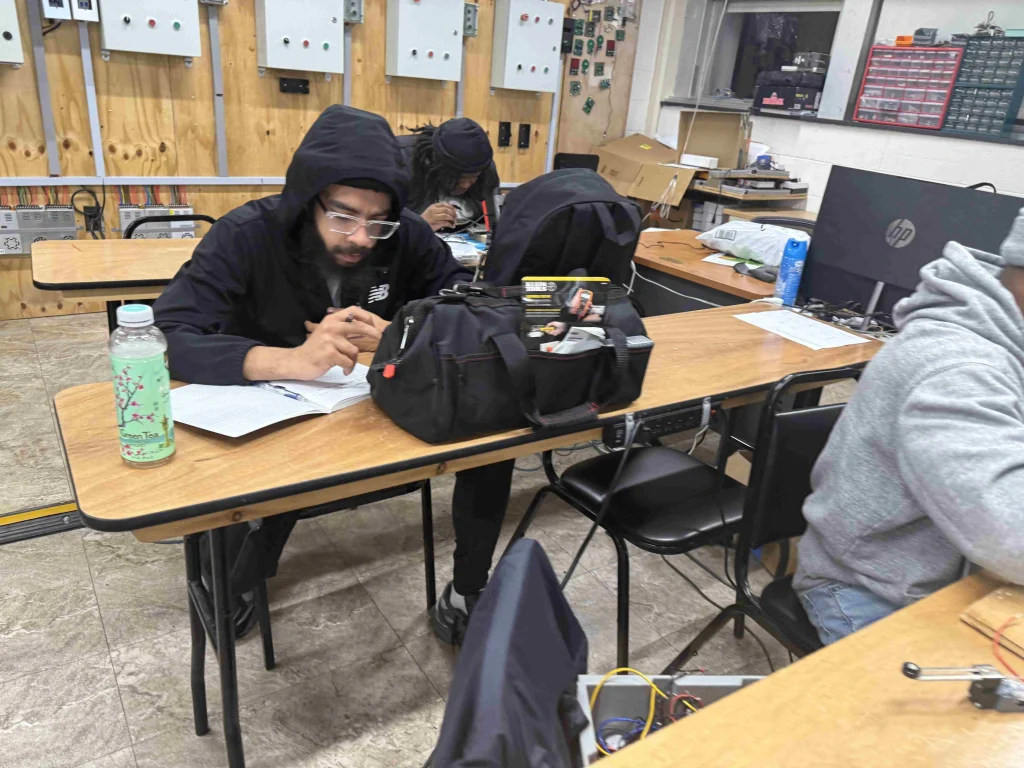
Think of it as a three-part answer to “tell me about yourself.” Keep it short. Moreover, say it out loud a few times before the event so it sounds like you.
Use this formula:
Here’s an example:
“Hi, I’m Jordan. I’m finishing the HVAC program at PTTI, and I’m EPA 608 certified. I’m looking for an entry-level technician role in your company where I can keep learning. With a manager’s guidance, I’m ready to share my skills with your business. What does your team look for in new hires?” I am confident and eager to share my skills, experience, knowledge, and hard work with you.
This will boost your confidence and meet employers’ expectations; it will matter a lot. Change the details to fit your trade. Make it sound like you, not a script.
| Welding | “I’m training in welding and practicing MIG and Stick. I’m hoping to find an entry-level fabrication role.” |
| Automotive | “I’m in the automotive program, working on brakes and diagnostics. Are you hiring entry-level techs?” |
| Sterile Processing | “I’m finishing my sterile processing training and heading toward CRCST. Do you take new grads?” |
| Concrete/Framing | “I’m learning concrete and framing, including blueprint reading. Do you have openings for apprentices?” |
Note: Only mention certifications you’ve actually earned or are working toward.
A little prep takes pressure off. Therefore, spend an evening getting your basics together.
Here’s a quick checklist:
Also, eat something first. Nerves hit harder on an empty stomach.
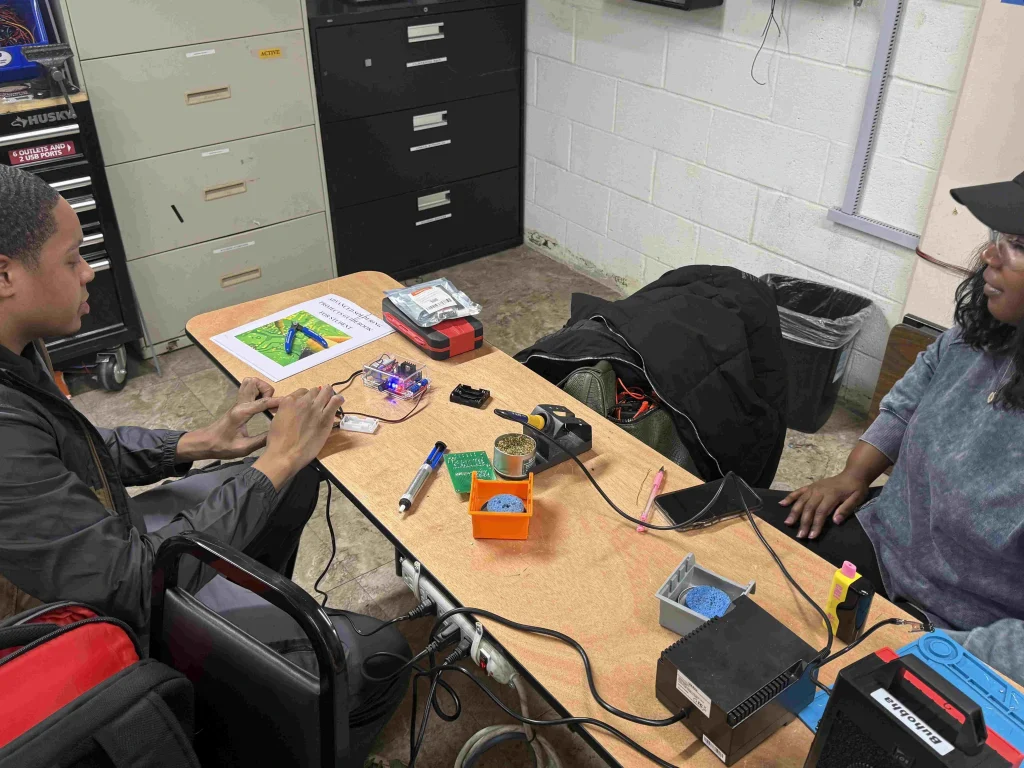
Body language speaks a lot. Words matter, but so does how you show up. Employers in the trades also pay close attention to attitude. This will also show employers that how yiu will be behaving or handling clients .
A few easy habits help:
Finally, take a breath before you approach. It sounds small, but it works.
This is the important question for students . A good question shows you’re serious. Moreover, it takes pressure off you, since they do the talking.
Try these:
Skip questions like “How much do you pay?” in the first conversation. Save that for later, once they know you’re interested.
This is a breakdown of how introductions play out during a hiring event. This will give you an idea of how much weight the overall introduction gets in the event, and what you should ask, what you should say, and what you must know. You talk less than you think. Listening takes the biggest slice.
| Your Introduction | ~30% | Be clear and friendly |
| Listening | ~40% | Learn what they need |
| Your Questions | ~20% | Show real interest |
| Closing/Follow-Up | ~10% | Leave the door open |
This is where most students drop the ball. However, it’s also where you can stand out. A short message keeps you fresh in their mind.
Here’s a simple follow-up:
Check in again after a couple of weeks if you haven’t heard back. Stay polite and steady.
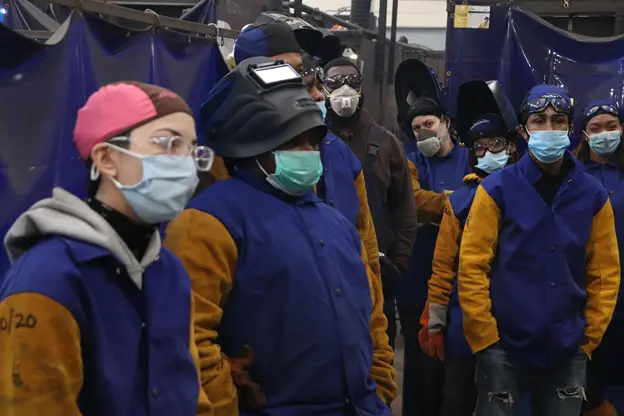
Everyone gets nervous. Obviously, students get nervous. Still, a few habits can hurt your chances. Watch for these:
Honesty beats polish every time. Employers can tell the difference.
This skill pays off. The communication , soft skills, and behavior show up in any student’s work. According to the U.S. Bureau of Labor Statistics, employment across HVAC, automotive repair, welding, and healthcare support trades is projected to grow steadily over the next decade. So employers are actively looking for new talent. A clear, confident introduction helps you get noticed when openings come up.
Philadelphia Technician Training Institute (PTTI) helps you prepare for mock interviews, job interview questions, and resume writing, while also building soft skills in every student. includes Job Application Skills coursework in its programs, covering resumes, interviews, and workplace expectations. Additionally, hands-on labs and externships give you real skills to talk about with employers.
Here’s how to get started:
Trade events are organized for students who are ready to join the industry workforce . Learning to introduce yourself to employers at a trade school hiring event comes down to a few simple moves. Know your 30-second pitch, ask good questions, listen well, and follow up fast. But the most important thing is being yourself. Employers want someone dependable who’s ready to learn. Overall, practice your intro a few times, show up early, and let your training do the rest.
Ready to build skills you’ll be proud to talk about? Call PTTI at 215-381-9403 or email info@ptt.edu to talk with an advisor. They have good contacts with hiring companies. Also, they have a list of alumni working at good positions at a few companies, so whenever a job opening comes, they prefer PTTI upcoming batch students. Also, the institute prepares workshops with them . This makes hiring easier.
Read More :