
Starting a skilled trade career can be an exciting step toward financial independence. Once you begin your career, the first thing that comes to mind is finance. Whether you want to become a welder, automotive technician, HVAC technician, or manufacturing professional, technical education can help you build practical, job-ready skills.
However, tuition and other training expenses can make students hesitate before enrolling. You may wonder how much a program costs, whether you qualify for financial aid, or how you will pay for tools, supplies, and transportation while studying. PTTI helps students pursuing a career in skilled trade education access financial aid.
However, the best part is that students can explore several funding options. These can include federal student aid, eligible grants, scholarships, and training institute-specific payment arrangements.
If you plan to enroll in a trade school in 2027, asking the right questions before signing an enrollment agreement can help you understand your options and avoid unexpected expenses.
This guide explains the most important trade school financial aid questions to ask before enrolling in 2027, with practical guidance for students considering Philadelphia Technician Training Institute (PTTI).
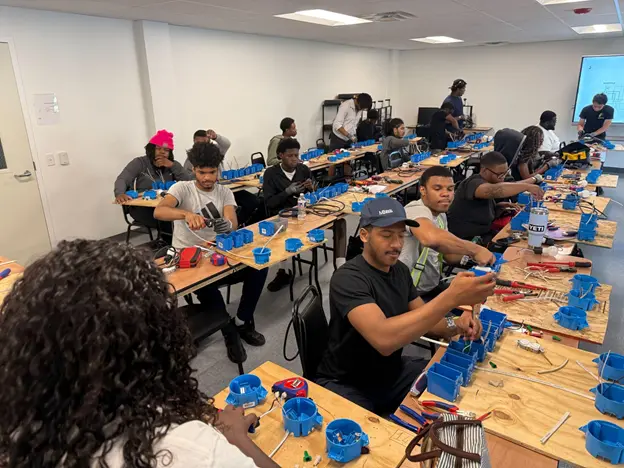
Financial aid can make career training more manageable, but students should understand exactly what assistance they may receive.
A school might advertise financial aid availability, but not every student qualifies for the same amount. Likewise, an aid estimate does not necessarily mean the school will cover every training expense.
Before enrolling, review the total cost of your chosen program, your available funding, and how much you may need to pay yourself.
For Philadelphia students, this step is especially important when balancing education with transportation, household expenses, part-time work, or family responsibilities.
A clear financial plan can help you focus on learning instead of worrying about unexpected bills.
When you enquire about financial aid, start by asking whether your chosen school and specific program qualify for the type of federal student aid you want.
Once you start considering taking admission at PTTI .The Free Application for Federal Student Aid (FAFSA) is the main application used to determine student aid eligibility for skilled trade programs. However, eligible students may qualify for grants, federal student loans, or other forms of assistance, depending on their circumstances. However, not every school or program qualifies for every federal aid program. Eligibility requirements apply to both institutions and students.
Ask the school’s financial aid office:
Is this specific skilled trade program eligible for federal student aid?
These questions help you understand whether the program fits your financial situation before you commit.
You can begin the official application process at Federal Student Aid.
Yes, completing the FAFSA is an important first step if you want to explore federal financial aid. The FAFSA may also be used by states and institute to determine eligibility for certain nonfederal aid programs.
Before submitting your application, ask your school which FAFSA year applies to your intended start date. If you plan to begin training earlier in 2027, you may need a different FAFSA form depending on when your program starts. You should also ask about priority deadlines. The federal deadline isn’t necessarily the deadline your school or state uses.
Questions to ask the career services team:
Apply early when possible, and keep copies of your submission confirmation and other important financial aid records.
Grants and scholarships can help eligible students reduce education expenses. For that to get scholarship, you must pass those criteria for easy grants .Unlike loans, grants and scholarships generally don’t require repayment when you meet the conditions. However, eligibility varies depending on which Skilled Trades program you choose. For example, Federal Pell Grants are available only to eligible students enrolled in eligible programs who meet applicable federal requirements. Other grants or scholarships may depend on financial need, academic performance, location, employment status, or a specific funding program.
Ask your trade school team :
Do not assume that every student qualifies for the same funding or that a grant will cover all tuition expenses.
If you are considering a Pennsylvania trade school, ask the financial aid office about current state and local opportunities and whether your specific program qualifies.

Tuition cost is only one part of your training budget.
Before enrolling, request a written breakdown of all expected expenses. This makes it easier to compare schools and determine how much financial assistance you need.
Once you start enrollment in a trade training program, your total budget may include: This table will guide you with basic information regarding getting financial aid and about the program . If you have more questions, mention them in the comment box.
| Expense | What to ask |
| Tuition | What is the full program tuition? |
| Registration fees | Are there enrollment or administrative charges? |
| Tools and equipment | Must I purchase my own tools? |
| Books and supplies | Are learning materials included? |
| Uniforms and safety gear | What items must students provide? |
| Certification exams | Are examination fees included? |
| Transportation | How much should I budget for commuting? |
| Other expenses | Are there additional costs during training? |
Ask whether the quoted amount represents the entire program or only an initial payment. whatever financial querries you have you can ask the career service team. To know more about FAFSA click here.
For example, a welding student may need specific safety equipment, while an automotive student may need tools or other supplies. Requirements vary by program, so request details before making a financial commitment.
One of the most important trade school financial aid questions is how much assistance you may receive after your eligibility has been reviewed.
Your financial aid offer may include different types of funding, each with its own requirements.
Ask the financial aid advisor to explain:
The FAFSA Submission Summary provides information about your submitted application and estimates of your eligibility. However, the school uses your information to determine the aid it can offer, subject to applicable rules.
Do not confuse the amount of aid you may qualify for with the amount that has actually been awarded.
Before enrolling, ask for a clear explanation of your expected financial responsibility.
Some students may need to consider loans if grants, scholarships, and other assistance do not cover all their expenses.
However, loans are different from grants because they generally must be repaid.
Before accepting a loan, ask:
Compare the full repayment terms instead of focusing only on the amount available to borrow.
Also remember that completing the FAFSA does not obligate you to accept every loan you are offered. Review your financial aid package carefully and borrow only what you need and can reasonably manage.
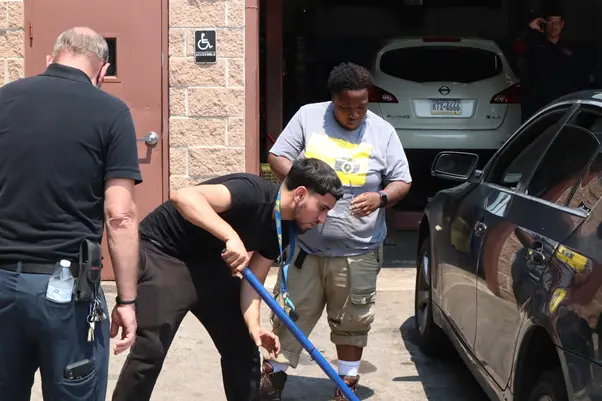
Trade school students practising technical skills in a training workshop.
Philadelphia Technician Training Institute states that financial aid is available to qualifying students. Its financial aid resources explain how prospective students can begin the application process and discuss their options with the school’s financial aid team.
If you are considering to take admission at PTTI, ask whether your intended program is eligible for the aid you want to pursue.
Useful questions include:
You can also review the school’s financial aid application information. The best part is
Financial circumstances can change between the time you submit your FAFSA and the time you begin training.
For example, you or your family may experience a loss of income, a change in employment, or another significant financial disruption.
If your current circumstances differ substantially from the information reflected in your tax records, contact the school’s financial aid office after submitting your FAFSA.
Federal Student Aid advises students to explain significant financial changes to their school’s financial aid administrator, who may determine whether an adjustment is appropriate. An adjustment is not guaranteed.
Ask the school:
Contact the financial aid office as soon as possible, rather than waiting until a payment becomes overdue.
It is important to understand payment deadlines and withdrawal policies . Understanding deadlines can help you avoid unnecessary financial stress. Certainly , before enrolling, ask when tuition payments are due, how aid is applied to your account, and whether you must pay a deposit before your funding is finalized.
Important questions to be included :
Financial aid can be affected when a student withdraws or stops attending. The outcome depends on the circumstances and applicable rules.
Once you understand the available funding, create a realistic budget for the entire training period.
Start by calculating your expected tuition balance after confirmed grants, scholarships, and other assistance. Then estimate your living expenses, transportation, meals, tools, and other necessities.
You can also:
Trade school can be an important step toward learning a practical skill and preparing for employment. However, the financial side deserves the same attention as the curriculum, instructors, and career services.
Before enrolling in 2027, ask whether your program qualifies for federal aid, which grants or scholarships you might pursue, how much the entire program costs, and what expenses you may need to cover yourself.
If you are considering PTTI, contact the financial aid team to discuss your intended program and understand your options.
A clear financial plan can help you approach training with greater confidence. By asking questions early, comparing funding options, and understanding your responsibilities, you can make a more informed decision about investing in your future.
Yes, potentially. You must meet applicable student eligibility requirements, and your school and program must qualify for the relevant federal aid. Check which FAFSA year applies to your start date.
Not always. The amount depends on your eligibility, the aid available, program costs, and other requirements. You may still have an out-of-pocket balance.
Grants generally do not require repayment when their conditions are met, while loans generally must be repaid with applicable interest. Review the terms of every funding option.
PTTI publishes financial aid guidance and invites eligible students to contact its financial aid team. Ask what application assistance is currently available.
Start as early as practical. The 2027–28 FAFSA became available on October 1, 2026, but students beginning earlier in 2027 may need a different form. Check federal, state, and school deadlines.
Read More: