
Caught up with other activities, but still wanna pursue the best trade career.Trying to figure out day or evening classes for your trade career? You’re not the only one stuck on this decision. Both options can lead to the same career, but your daily life should decide which cohort fits you best. However, most people pick a schedule without really thinking it through. Below, we break down the real differences, so you can choose with confidence.
Choosing between day or evening classes isn’t just about convenience. It is also about prioritizing other activities, such as work or other commitments. Day or Evening Classes in Skilled trade education are meant to help individuals pursue their careers without compromising on any commitments and responsibilities. The right schedule also affects how well you absorb hands-on training. Therefore, this decision deserves more thought than just “whatever fits.”
Here’s why it matters:
Overall, picking the right cohort sets the tone for your entire trade career training experience. Also, by prioritizing physical health, you can effectively make time for your family, workout schedules, and classes. Therefore, the skilled training program is designed to prioritize work-life balance.

Day classes follow a more traditional school schedule, typically running mid-morning through mid-afternoon. If you are a morning person, a day or mid-morning session will suit you perfectly. Moreover, this format works better for some students than others.
Day classes tend to fit best if you:
Additionally, day cohorts often engage in hands-on lab work when energy and focus are highest.
Evening classes typically start after standard work hours, letting students keep daytime jobs. Therefore, this schedule solves a major problem for working adults considering a career change.Both options can lead to hands-on skills, industry knowledge, and career-focused preparation. However, the right cohort depends on your schedule, responsibilities, learning habits, and career goals.
For many students, day classes in skilled trade programs provide a more traditional school experience. You attend training during regular daytime hours, often with a consistent weekday schedule. As a result, you may find it easier to build a routine, connect with instructors, and focus fully on your education.
Evening classes tend to fit best if you:
Overall, evening cohorts exist specifically to remove the “quit your job to go back to school” barrier.
Here’s a simple table comparing both schedule options:
| Factor | Day Classes | Evening Classes |
| Typical Hours | Mid-morning to afternoon | After standard work hours |
| Best For | Students without daytime jobs | Working adults |
| Income While Training | Limited | Easier to maintain |
| Energy Level | Often higher earlier in day | Varies by individual |
| Family Fit | Better with daytime childcare | Better with evening childcare |
Moreover, neither option is objectively “better” — it depends entirely on your current life setup.

Before selecting a cohort, take an honest look at your available time. Day classes in skilled trade education may demand fewer adjustments if you have open weekday availability. In contrast, evening programs may fit better if you need to keep working while you train.
Still, convenience should not be your only deciding factor. Consider when you feel most alert and ready to learn. Trade programs often involve detailed instruction, safety procedures, problem-solving, and hands-on practice. If you feel exhausted after a long workday, an evening schedule may require extra planning and discipline.
Likewise, students in day programs should consider transportation, childcare, and work needs. A daytime cohort may offer focus, but it can also limit the hours available for employment. For that reason, flexible trade classes can be valuable for students balancing several priorities.
Ultimately, day and evening programs can both help you prepare for a skilled trade career. Day classes may provide structure and daytime focus, while evening classes can create access for busy adults and working students.
Before enrolling, compare program schedules, lab hours, required study time, commute length, and personal responsibilities. Then choose the cohort that lets you show up consistently, learn confidently, and stay committed to your long-term goals.
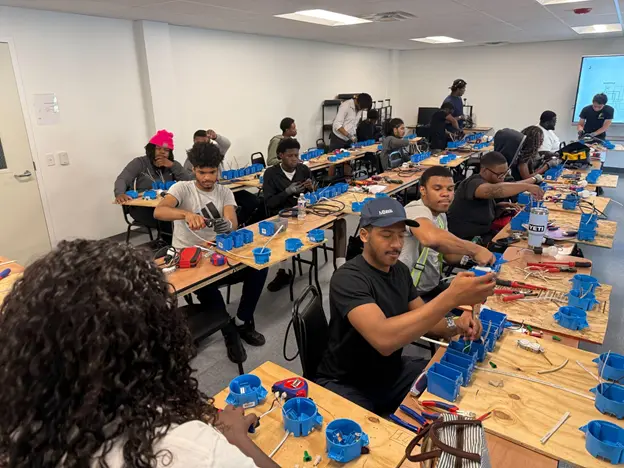
Flexible schedules keep your mind active and creative. Overall physical stamina also contributes significantly during training sessions, because at that time you can fully focus on your training. This requires focus and readiness for problem-solving. 40% hands-on lab time, 35% classroom instruction, and 25% independent practice or review. That breakdown stays roughly the same whether you’re in a day or evening cohort. However, how well you absorb that training depends heavily on choosing a schedule that aligns with your natural energy and life demands.
Here’s what tends to affect success in either cohort:
Therefore, self-awareness about your own habits matters just as much as the schedule itself.
Before opting for a day or evening class schedule, ask yourself these questions. If all the answers convince you, then go for the flexible schedule that suits your comfort level.
Finally, answering these honestly makes the decision much easier.
Philadelphia Technician Training Institute (PTTI) offers both day and evening class options across its trade programs. Additionally, this flexibility exists specifically so students don’t have to choose between income and education. Along with that, they can maintain their work and profession.
Here’s how enrollment works, no matter which cohort you pick; therefore, you must know the flexible trade education hours :
Finally, PTTI reports a placement rate near 92%, regardless of which cohort students complete. The team will help you with resume writing and job interviews. If you select the flexible classes in trade education
Choosing between day or evening classes in trade education comes down to knowing your own life, not picking what sounds easiest. However, both paths lead to the same real, hands-on skills and career outcomes. Between income needs, family responsibilities, and personal energy levels, the right cohort is the one you can actually stick with until graduation. Overall, the schedule matters less than the commitment you bring to it.
Ready to pick the schedule that fits your life? Contact PTTI at 215-381-9403 or info@ptt.edu to speak with an advisor.
Not necessarily. It depends on your personal energy levels and daily schedule.
Yes. Evening classes are designed specifically for working adults.
Yes. Definitely. Both cohorts follow the same curriculum and hands-on training.
PTTI reports similar placement outcomes near 92% across both cohorts.
Yes. Definately ,PTTI accepts FAFSA applications under school code 042213 for either schedule.