
Becoming a concrete technician takes more than physical strength. It also takes sharp thinking. Many people assume this trade is purely hands-on labor. However, the best concrete technicians rely heavily on cognitive skills every single day. This blog breaks down why mental sharpness matters just as much as muscle, and how a structured training program builds both.
Let’s know the job profile of the concrete technician . A concrete technician mixes, pours, and finishes concrete for buildings, foundations, and structures. They read blueprints, measure materials precisely, and monitor how concrete cures over time. Additionally, they inspect finished walls and floors for strength and durability. This work demands attention to detail at every stage. One mistake in mixing ratios can weaken an entire structure.
Enroll in a concrete training program at PTTI. See benefits
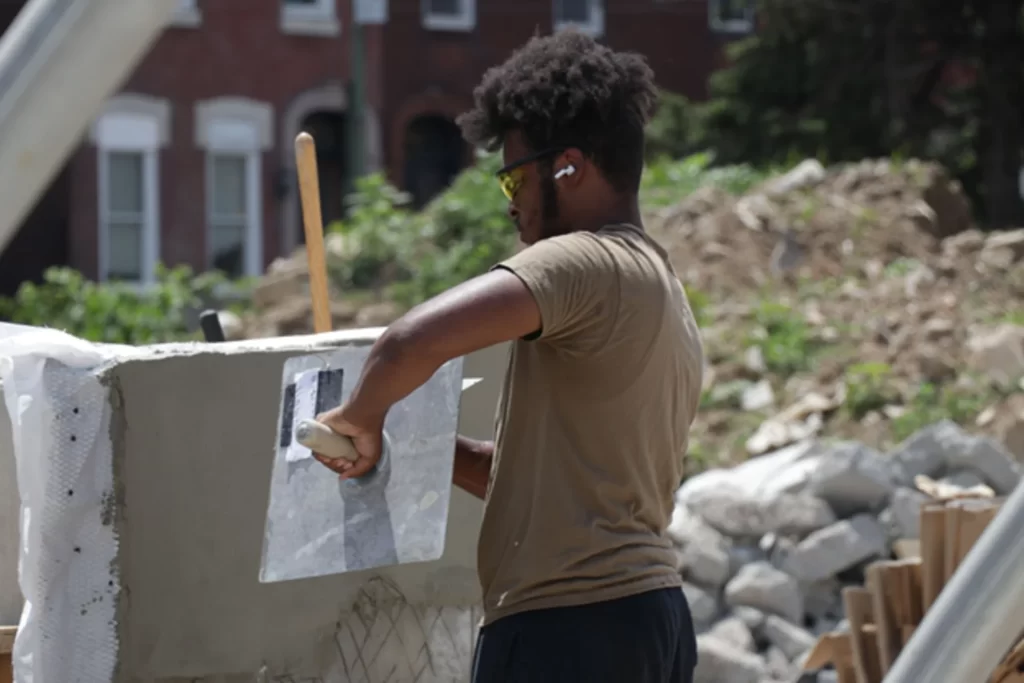
Concrete work involves constant decision-making. These decisions involve the construction and architectural mindset, materials, and mixes. Therefore, cognitive skills play a bigger role than most people realize.
When you are appointed at a job site . Your job is also to solve issues if they occur at construction sites . Every job site brings unexpected challenges. Weather changes, material shortages, and drainage issues happen often. A skilled concrete technician thinks quickly and adjusts plans. For instance, sudden rain might require faster pouring techniques. Strong problem-solving skills help technicians avoid costly delays and rework.
Spatial reasoning and blueprint reading are essential in construction and the roadmap of any project. Reading blueprints requires strong spatial awareness. A concrete technician must visualize finished foundations and walls before any work begins. Moreover, they calculate exact measurements for forms, footings, and slabs. Small errors in spatial judgment can lead to major structural problems later.
Concrete work follows a strict order of operations. Sequencing and memory matter: laying down bricks, Foundation layout, wall construction, floor construction, and drainage must happen in the right sequence. A technician must remember curing times, mixing ratios, and safety procedures. Missing a single step can compromise an entire project. Laying down wooden blocks and sequencing roof walls all require spatial reasoning and sequencing. Apart from physical abilities, cognitive skills are important and must be present in student intellectual abilities. Apart from physical abilities, cognitive skills is also important, and they also gradually increase during training and working.
Concrete sets fast once poured. Consequently, technicians work under tight time constraints. Staying focused during high-pressure pours prevents costly mistakes. This mental discipline separates skilled technicians from beginners. Apart from sequencing and spatial cognitive ability its very important
Nobody is born with these skills fully formed. Instead, they develop through structured concrete technician training. PTTI’s Concreting, Masonry, and Framing Program is built specifically to teach both the physical trade and the thinking behind it.
PTTI concrete technician training program. This 26-week, 900-hour Concrete technician training program moves students through a clear, hands-on sequence. It combines 200 lecture hours with 500 shop hours and a 200-hour externship, so students spend most of their time actually practicing the trade, not just reading about it.
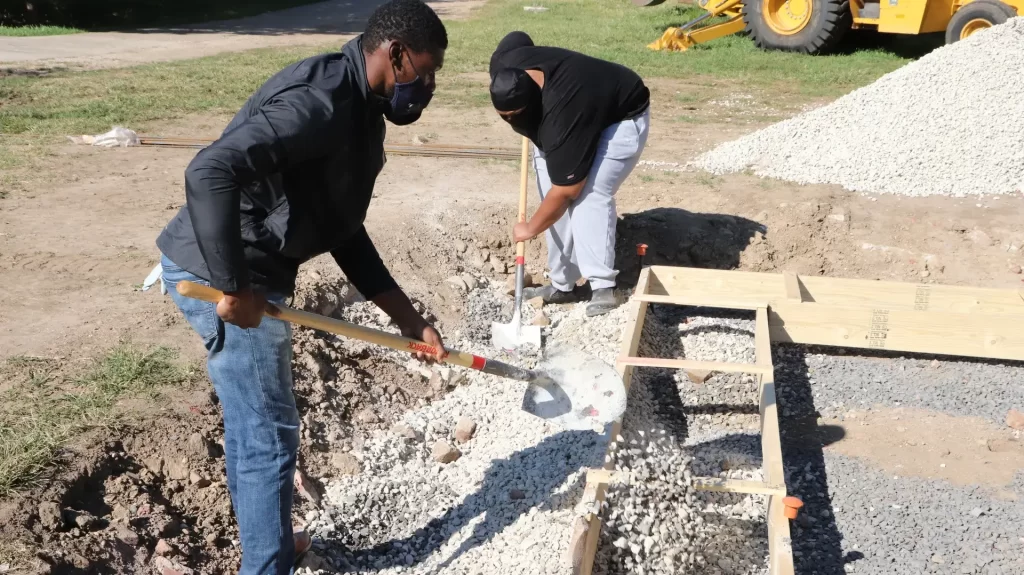
Students begin with an introduction to concreting and concreting safety, building the foundation for everything that follows. From there, the program moves into blueprint reading and shop math, which directly builds the spatial reasoning skills every technician needs on the job. Mentors also explain tools and equipment used at the construction site.
Next, students study foundation layout, followed by wall construction and floor construction. These courses make up the bulk of the shop-hour training, since forming and pouring concrete correctly takes real repetition to master. Students then move into drainage, retrofits, and add-ons, rounding out their ability to handle full residential and commercial projects. Students also get to know about mixing concrete and sand;,all these need the knowledge about correct precision
Finally, the program includes a course on concreting applications in real life, which pushes students to apply everything they’ve learned to realistic job scenarios. This is where cognitive skills and physical skills come together, since students must think through a problem and execute the solution with their hands at the same time.
Safety awareness is one of the most important cognitive skills a concrete technician can develop. That’s why PTTI includes OSHA 30 certification training at no additional cost, with certification granted upon completing the program. This credential shows employers that a graduate understands job site hazards and safe concrete work practices from day one.
Additionally, students complete interviewing skills and resume-building coursework before heading into a 200-hour externship. This externship gives students real job site experience, applying their training under supervision before they graduate.
Here are the core mental skills that support long-term success in this trade:
These skills develop naturally through PTTI’s structured mix of lecture, shop work, and externship training.
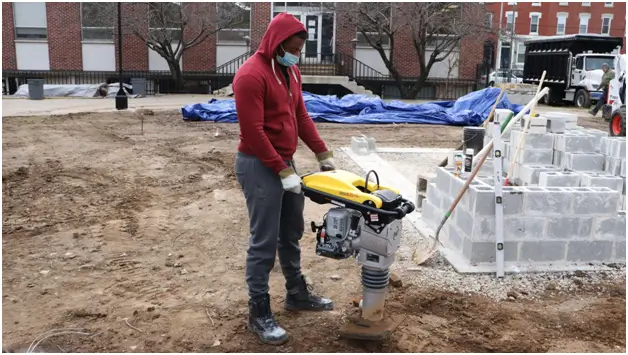
If you enjoy hands-on work and solving practical problems, this career might fit you well. If you are interested in architectural visions and learning and reading layouts. A career as a concrete technician rewards people who think clearly under pressure. Furthermore, this field offers steady demand since construction never truly stops. Cities constantly need new foundations, walls, and infrastructure repairs. Mixing and combining paints and concrete at residential buildings are major contributions to the concrete technician role.
The concrete technician training also suits those people who prefer skill-based work over traditional desk jobs. Unlike many careers, concrete work lets you see immediate, physical results. Finally, graduates with an OSHA 30 certification and diploma in hand often move into supervisory or specialized roles over time.
Concrete technician training work demands more than physical effort alone. Successful technicians combine strength with sharp thinking and careful judgment. Cognitive skills like problem-solving, spatial reasoning, and focus shape every successful project. If you’re considering a career as a concrete technician, PTTI’s hands-on training program builds both the mental and physical skill sets you need, backed by real certification and real job site experience.
Yes, they need strong problem-solving, spatial reasoning, and attention to detail daily.
The Concreting, Masonry, and Framing Program runs 26 weeks and totals 900 hours.
Yes, OSHA 30 certification is provided at no additional cost and granted upon completion.
Yes, students complete a 200-hour externship before graduating.
No, most technicians build careers through hands-on training programs instead of college degrees.
Read More :