
Do you enjoy working with cars, solving mechanical problems, and understanding how engines work? fixing technical issues .A career as an automotive mechanic could turn that interest into a practical profession.
Today, automotive technicians do much more than replace tires and change oil. The advancement of EV cars has changed algorithms. These technicians at auto repair shop inspect engines, troubleshoot electrical systems, use computerized diagnostic equipment, and repair modern vehicle components. As cars become more technologically advanced, technicians need both mechanical knowledge and diagnostic skills.
The good news is that you do not necessarily need a four-year college degree to begin this career. Instead, you can enroll in a 6- to 8-month trade technical institute. An automotive training program can help you build foundational skills, gain practical experience, and prepare for entry-level opportunities.
If you want to learn how to become a mechanic in Philadelphia, this guide explains the training timeline, potential education costs, important skills, certification considerations, and job placement assistance available through Philadelphia Technician Training Institute (PTTI).
Before choosing a training program, understand the work involved.
Automotive mechanics, also known as automotive service technicians, inspect, maintain, and repair cars and light trucks. Their responsibilities depend on their experience, workplace, and specialization.
Typical duties include:
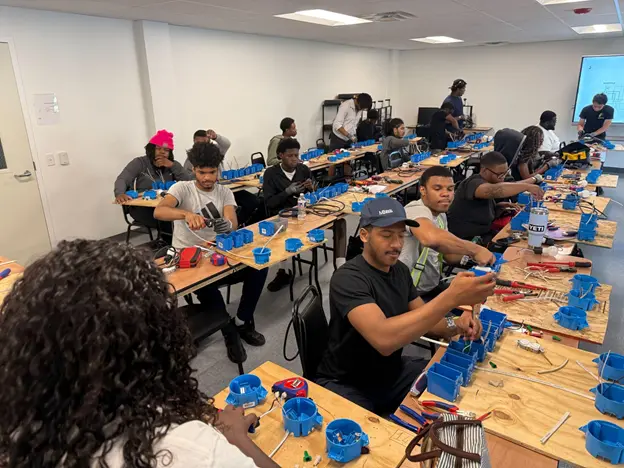
Modern vehicles also rely on electronic controls, sensors, and advanced safety systems. Therefore, today’s technicians must be comfortable learning new technologies throughout their careers. If you enjoy hands-on problem-solving and working with tools, automotive repair may be worth exploring.
The timeline depends on your training route, schedule, previous experience, and the type of work you want to pursue.
Some people begin as entry-level shop helpers and learn through supervised workplace training. Others attend a technical school to develop a stronger foundation before applying for jobs.
A typical automotive training timeline
| Stage | Approximate timeline | Main objective |
| Research and enrollment | Varies | Compare programs, requirements, and costs |
| Formal automotive training | Around 6 months at some programs | Develop foundational repair and diagnostic skills |
| Career preparation | During training | Prepare a resume and practice interviews |
| Entry-level job search | Varies | Apply, interview, and connect with employers |
| Continued workplace learning | Ongoing | Build experience and pursue advanced skills |
PTTI advertises an automotive training program designed to take approximately 26 weeks. The program combines technical instruction with hands-on learning and career preparation.Completing a training program does not mean you will immediately qualify for every automotive position. Employers may require additional experience, certifications, or specialized knowledge.
However, focused training can help you prepare for entry-level opportunities without spending several years completing a traditional bachelor’s degree.
Training costs are an important consideration, especially if you are starting your career or changing professions.
The total cost depends on the school, program length, equipment requirements, fees, and available financial assistance. Because tuition can change, prospective students should request a current written cost breakdown.
When comparing automotive training programs
Can you receive financial aid?
PTTI states that financial aid is available for students who qualify. Students can complete the Free Application for Federal Student Aid (FAFSA) and speak with the school’s financial aid team to understand their options.
When contacting the school, ask which funding opportunities apply to the automotive program and whether any costs remain after financial aid.
It is also useful to compare the total cost of training with your expected budget. Avoid choosing a school based solely on the shortest advertised completion time.
The right program should provide relevant practical training, clear costs, appropriate student support, and a curriculum that matches your career goals.
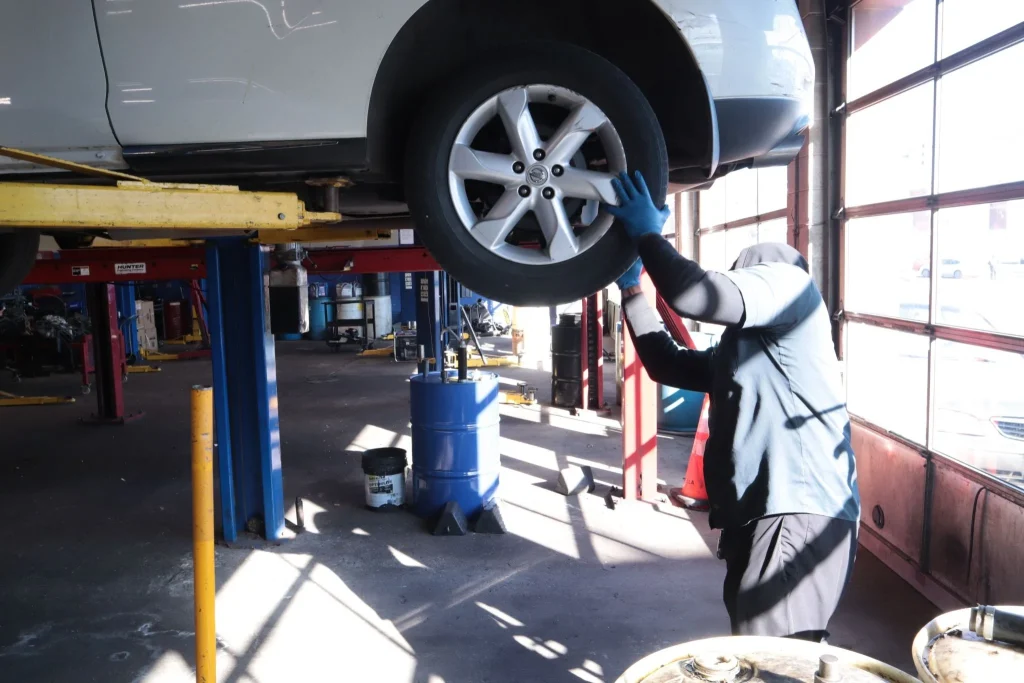
A quality automotive training program should help students understand how vehicles operate and how technicians identify and resolve common problems.
At PTTI, the automotive repair program covers vehicle maintenance, repair, and troubleshooting.Here are several skills to look for when evaluating a program.
Engine and mechanical systems
Students at PTTI will learn how vehicle engines and related components. Operating and learning about engines works in different vehicle .This foundation helps technicians understand common performance issues and repair procedures.
Brake and suspension systems
Brakes, steering, and suspension components .Training should introduce inspection procedures, component functions, and appropriate repair practices.
Electrical systems and diagnostics
Modern automotive repair shops often involve electrical circuits, sensors, and electronic controls.
Students in the automotive technician program at PTTI learn to use diagnostic equipment. They also learn to interpret information and investigate faults instead of replacing parts without identifying the underlying problem.
Preventive maintenance
There are a few preventive maintenance tasks. Consider them while working with tools and equipment. Routine services help keep vehicles operating properly. Few certifications like ASE, OSHA expalin and certify that the worker is aware of technical standards. These tasks may include checking fluids, inspecting components, replacing filters, and identifying signs of wear.
Workplace safety and communication
Technicians must follow safety procedures, use tools correctly, document repairs, and communicate with coworkers or customers. This is Practised at evry occupation in skilled trade industry.
These skills are important because automotive employers need workers who can combine technical knowledge with professional behavior.
The answer depends on the job, employer, and specialization. It can also make your resume more trustworthy. Employers may value relevant ASE credentials when evaluating candidates.
However, completing an automotive training program and earning ASE certification are not the same. Students should ask which examinations a program prepares them for and whether certification requires additional testing or work experience.
Some automotive specialties also have separate requirements. For example, technicians who service motor vehicle air-conditioning systems involving regulated refrigerants may need the appropriate U.S. Environmental Protection Agency (EPA) Section 609 certification.
Before enrolling, ask the career service team:
Understanding these details will help you plan your next steps after training.
Completing automotive training is an important milestone, but the job search requires preparation and persistence.
Job placement assistance at PTTI will help students understand how to approach employers and present their qualifications. Depending on the school’s services, support may include resume development, interview coaching, career guidance, and employer connections.
PTTI’s automotive program page describes career preparation that includes resume writing, career identification, interview coaching, and financial management. Students can make the most of these services by taking a few practical steps.
First, prepare a clear resume. Include your technical training skills at resume , relevant projects, practical skills, and any previous work experience.
Next, practice interviews. Be ready to explain why you want to become a mechanic, what you have learned, and how you approach troubleshooting.
After that, research potential bussiness owners. Consider independent repair shops, automotive dealerships, service centers, and businesses that maintain vehicle fleets.
Finally, follow up professionally. Thank employers for interviews, respond promptly to requests, and keep applying for suitable openings.
Remember that placement assistance does not guarantee a job. Hiring depends on available positions, employer expectations, your qualifications, and interview performance.
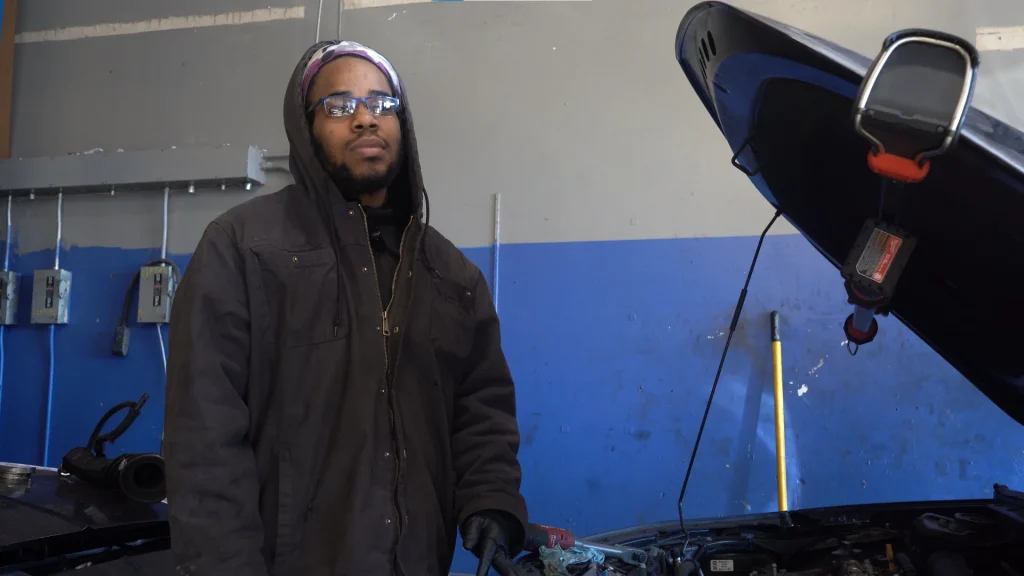
That’s a really nice question; students will mostly learn, and most attendees would like to know that Earnings as an automotive mechanic in Philadelphia depend on experience, location, employer, specialization, certifications, and compensation structure. In a recent data According to the U.S. Bureau of Labor Statistics, the national median annual wage for automotive service technicians and mechanics was $47,620 in May 2025.
Continued learning and stronger technical skills can create opportunities to pursue more advanced responsibilities over time.
PTTI offers an automotive repair training program designed for students who want practical instruction and career preparation.
Before enrolling at Philadelphia Technical Training Institute, talk with an admissions representative. He will guide you on career placement. Ask about the current curriculum, flexible schedule, financial aid eligibility, access to equipment, certification preparation, and employment support.
Start your automotive career with PTTI . Learning how to become a mechanic in Philadelphia starts with understanding the work, comparing training options, and deciding which skills you want to develop.
Before enrolling, confirm the program’s timeline, total cost, certification options, and available career support. This training program also gives you insight into an externship that will bring more learning . You do not need to know everything about cars before starting. You do need a willingness to learn, practice safely, solve problems, and keep improving.
Some Automotive training programs take around six months. PTTI advertises a program of about 26 weeks.
Costs vary by institution, duration, and required supplies.
Yes. Automotive technicians commonly enter the field through technical training,
PTTI describes career preparation that includes resume writing, interview coaching, and career services. Assistance can support the job search but does not guarantee employment.
Requirements vary by position and specialization. ASE certification can demonstrate technical competence, but students should check employer require.
Read More: