
Skilled trade careers are changing as technology, equipment, construction methods, and workplace expectations continue to evolve. In 2027, learning a trade will involve more than knowing how to use tools.
Employers need workers who can perform technical tasks, solve problems, follow safety procedures, communicate clearly, and adapt to new technology.
For students exploring skilled trade careers in 2027, developing the right combination of technical and professional skills can create a stronger foundation for long-term growth.
Whether you are interested in welding, HVAC, automotive technology, electrical work, plumbing, construction, or manufacturing, several skills can help you become more prepared for the workplace.
Practical ability remains at the heart of every skilled trade.
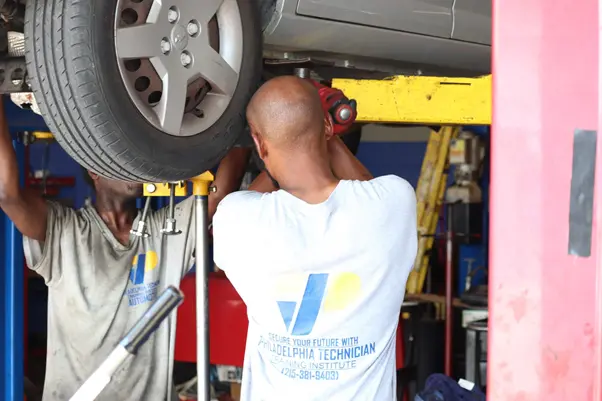
A student can understand a process from a textbook, but trade workers must know how to apply that knowledge using real tools, equipment, and materials. For example, welders need to practice welding processes. Automotive technicians need to diagnose vehicle systems. HVAC technicians need to work with heating and cooling equipment.
That is why hands-on trade training remains essential. Practical training helps students develop coordination, accuracy, equipment familiarity, and confidence. It also allows them to make mistakes, receive feedback, and improve before entering a professional workplace.
When choosing a trade program, look for opportunities to practice the skills you expect to use on the job.
Technical workers are often hired to solve problems.
A vehicle may not start. An HVAC system may stop cooling. A machine may stop operating correctly. A construction project may encounter an unexpected issue.
Workers need to investigate the problem instead of simply guessing at the solution.
Strong troubleshooting involves several steps:
Developing this mindset can make you more valuable in many skilled trade careers.
Students can build problem-solving skills through practical exercises, diagnostic activities, and real-world projects.
Technology is becoming increasingly important across the trades. Modern workers may use digital diagnostic equipment, computerized machinery, smart controls, sensors, automation systems, digital work orders, and other technologies.
For example, automotive technicians increasingly work with electronic vehicle systems and computer-based diagnostic tools. Manufacturing workers may interact with automated production equipment. HVAC technicians may work with smart thermostats, electronic controls, and connected systems.Therefore, students should not think of skilled trades as technology-free careers.
The modern tradesperson often needs to combine hands-on skills with digital knowledge.Learning how technology works can help you adapt as equipment continues to change.
Safety should always be a priority. Skilled trade workers may work around electricity, heavy machinery, hot materials, chemicals, power tools, heights, pressurized systems, or moving equipment. Consequently, understanding workplace safety is essential.
Students should learn how to:
Safety knowledge can protect workers and coworkers while helping businesses reduce accidents and equipment damage. A strong technical worker understands that doing a job correctly also means doing it safely.
In skilled trades programs require workers to understand technical drawings, diagrams, specifications, or work orders. Construction workers may follow building plans. Welders may work from fabrication drawings. Electricians may interpret wiring diagrams.HVAC technicians may read system diagrams.
Therefore, blueprint reading can become a valuable skill across several trades. Students should learn how to identify dimensions, symbols, measurements, specifications, and other information contained in technical documents.
This skill helps connect classroom concepts with real projects. It can also improve accuracy by helping workers understand exactly what a project requires before beginning the work.
You do not need advanced mathematics to enter most skilled trades. However, practical math matters. Workers may regularly use measurements, fractions, decimals, ratios, angles, area, volume, and unit conversions. For example, a small measurement error can affect the fit of a component, the amount of material required, or the final quality of a project.
That makes trade math skills highly practical. Students can strengthen these skills by practicing measurements during hands-on projects. The goal is not simply to solve equations.The goal is to use mathematics accurately while performing real work.
Technical knowledge does not exist in isolation. Workers communicate with supervisors, coworkers, customers, contractors, inspectors, suppliers, and other professionals. Strong communication skills help students to communicate with supervisors and other team members :
Therefore, it is important to communicate well with your client . Communication can directly affect workplace efficiency. Students must listen to the instructor or mentor regarding soft skills needed in the workplace.
Most skilled trade projects involve multiple people. A construction site may include electricians, plumbers, framers, HVAC technicians, supervisors, and other workers.
A manufacturing environment may involve operators, maintenance technicians, engineers, quality teams, and managers. Each person has different responsibilities. Successful teamwork means understanding your role while respecting others’ responsibilities. It also means sharing information, helping solve problems, listening to coworkers, and completing your assigned work.
Attention and focus isvery important in skilled trade A small mistake can sometimes create a larger problem. An incorrect measurement can affect installation. An improperly completed weld can affect a component. A missed electrical connection can prevent equipment from operating correctly. Therefore, attention to detail is one of the most important high-value skills for skilled trade careers.Develop this habit during training.
Technology does not stay the same. New equipment, software, materials, automation systems, regulations, and work methods can change how people perform their jobs.
That makes adaptability an important career skill in 2027. Being adaptable does not mean abandoning your trade. Instead, it means remaining willing to learn.
A welder may learn a new welding process. An automotive technician may learn new diagnostic systems. An HVAC technician may learn smart controls. A manufacturing technician may develop automation skills. Workers who continue learning can keep expanding their knowledge as their industry develops.
How Can Students Develop These Skills?
You do not need to master all 10 skills before starting a trade program.Instead, develop them gradually.
Choose a Trade That Matches Your Interests
Start by exploring different career options. Consider what you enjoy doing.
Do you like repairing machines? Building things? Working with electrical systems? Solving mechanical problems? Working with metal? Your interests can help guide your choice.
Get Hands-On Experience
Practical experience is one of the best ways to develop technical skills.
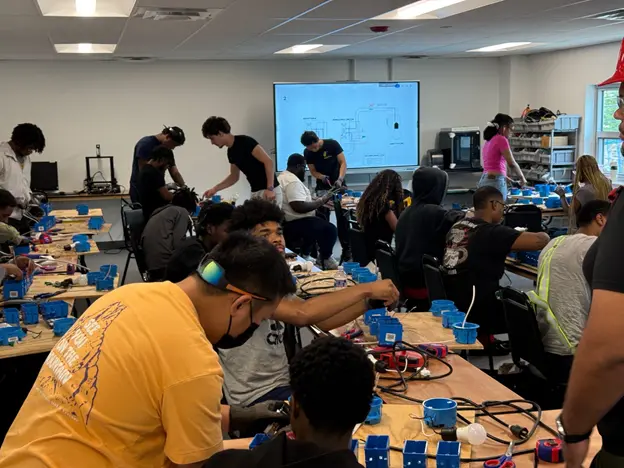
Look for training programs where you can work with tools, equipment, and materials related to your chosen occupation.Hands-on practice allows you to apply concepts rather than simply memorize them.
Keep Developing Your Skills
Graduation should not end your learning.
As you gain workplace experience, look for opportunities to develop new technical skills and certifications that relate to your career goals.
Continuous learning can help you stay prepared as your industry changes.
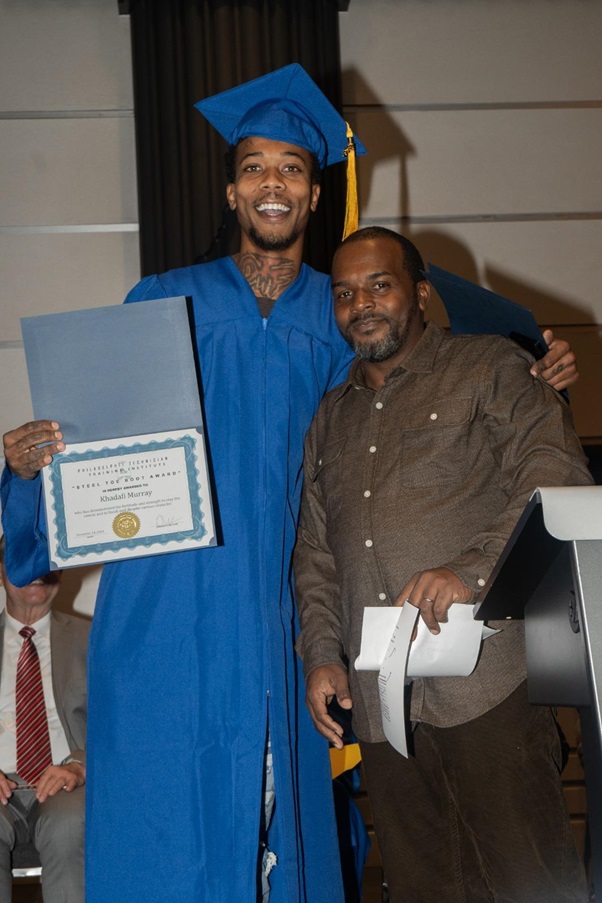
Students looking for skilled trades training in Philadelphia can explore programs that combine technical instruction with practical experience.
Philadelphia Technician Training Institute offers career-focused programs in areas such as welding, automotive technology, HVAC, electrical, plumbing, steam and pipe fitting, sprinkler technology, construction, concrete and masonry, drywall and framing, sterile processing, and manufacturing and automation.
Each occupation requires different technical abilities.
However, the core skills remain connected.
Students need to understand safety. They need to solve problems. They need to communicate. They need to work with tools and equipment. They also need to remain willing to learn.
Hands-on training can provide opportunities to practice these skills in a structured learning environment.
The future of skilled trade careers will not depend on one skill alone.
A successful worker needs a combination of technical ability, practical experience, safety awareness, problem-solving, communication, and adaptability.
The 10 high-value skills for a skilled trade career in 2027 include:
You do not need to master all of them immediately. Start with the trade that interests you. Build your technical foundation. Practice consistently. Learn from experienced instructors. Then continue developing your skills as your career progresses.
The most Valuable skills include Technical skills,communication, teamwork, attention to detail, and adaptability are valuable across many trades.
Yes. Many modern trades use digital diagnostic tools, computerized equipment, automation, sensors, and smart systems.
Hands-on training allows students to practice using tools, equipment, and materials while developing practical workplace skills.
Yes. Workers communicate with supervisors, coworkers, customers, contractors, and other professionals throughout their careers.
Yes. Continuing to learn can help you adapt to new equipment, technologies, procedures, and opportunities within your trade.
Read more blogs: