
Ask a welder with fifteen years on the job, a pipefitter who has worked every commercial site in the city, or an automotive technician who now runs a shop what they would tell their younger self, and you tend to hear the same handful of answers. Almost none of them are about the welding bead or the wrench. They are about the decisions that surround the work: how to pick a trade, how to train without drowning in debt, which certifications actually move your pay, and how fast you can realistically start earning. For anyone in Philadelphia weighing a future in the trades, those hard-won lessons are worth more than any brochure, which is exactly why structured, hands-on trade programs exist to shorten that learning curve.
This article gathers the advice experienced tradespeople most often repeat, translates it into practical steps, and grounds it in the realities of the Philadelphia-area job market. Whether you are a high school graduate, a career changer, a veteran, or an adult learner, you will leave with a clearer sense of how to enter the trades the smart way instead of the slow way.
The most common regret experienced tradespeople share is choosing a path for the wrong reason. Chasing only the trades that pay well, without weighing fit, leads some people into work that does not suit their body, personality, or long-term goals. The better question is which of the trades fits how you want to spend your days.
Different trades ask different things of you. Welding rewards patience, steady hands, and comfort with heat and sparks. Pipefitting and steamfitting demand spatial reasoning and physical stamina. Automotive repair suits people who love diagnosing problems and working with evolving electronics. Sterile processing and central services appeal to those who prefer a clean, process-driven medical environment over a job site. Masonry and framing reward people who want to see a structure rise from the ground. None is objectively “best”; the right fit is personal.
Before committing, talk to people doing the work, tour a training facility, and be honest about your preferences. A training facility that lets you sample equipment and environments helps you avoid the costliest mistake of all: a year spent training for work you end up disliking.

Experienced workers are blunt about money: the people who struggled most early on were usually the ones who overpaid for training. One of the quiet advantages of skilled trades careers is that you can enter them through focused programs rather than a four-year degree, often for a fraction of the cost.
Most skilled trades training takes several months to about a year of focused, hands-on instruction rather than four years. The exact length depends on the trade and schedule, but many programs are designed so motivated students can finish, earn certifications, and begin working within a year.
That speed is the point. While a traditional college student accumulates debt and defers income, someone in trade training is building a marketable skill and heading toward a paycheck. Several of the most searched questions from prospective students, including how much does trade school cost and whether trades that pay well without a degree actually exist, come down to the same truth: the trades that pay well still reward demonstrated ability, and you can acquire it affordably. Reviewing financial aid options early helps you plan a path that does not rely on loans you cannot comfortably repay.
The lesson veterans of the trades repeat is simple. Do not confuse the price of training with its quality. A program that gets you job-ready, with credentials and real lab hours, is worth far more than an expensive credential that leaves you no closer to the job site.
New workers often assume pay rises automatically with years on the job. Experienced tradespeople know better: in most skilled trades careers, the right credentials are what unlock higher wages. Each credential you earn signals a verified skill an employer will pay a premium for.
Welders who add structural, pipe, or specialty credentials command more than those with a single qualification. In the sprinkler and pipefitting world, code knowledge and safety credentials separate the hireable from the overlooked. Sterile processing technicians who earn a recognized credential move faster into stable hospital roles. The pattern holds across the board, which is why quality trade school training is built around preparing students to pass industry credential tests rather than simply finishing a course.
This is also where specialization pays off. A broad foundation gets you hired; a stacked set of credentials in a focused area is what grows your income over a decade. Programs such as Steam, Sprinkler and Pipe Fitting training are structured to move students toward the qualifications that local mechanical and construction employers actually require.
A surprising number of experienced tradespeople wish they had treated learning as permanent rather than a one-time event. The tools and technology in nearly every trade have changed dramatically, and the workers who thrive are the ones who kept up.
Automotive repair now runs on diagnostics, hybrid and EV systems, and sophisticated electronics; a mechanic trained only on older engines gets left behind. Manufacturing has moved toward automation, robotics, and smart-factory systems, creating demand for technicians who can run and maintain advanced equipment. Even welding has adopted newer processes and automated systems. Entering the field through a program like Manufacturing & Automation means learning on the kind of modern, industry-standard equipment employers use today, not the gear of a generation ago.
The practical takeaway: choose training that reflects where the industry is going, and plan to add skills throughout your career. The trades are not static, and neither should your learning be.

Ask any hiring manager in the trades what separates a good apprentice from a great one, and few will start with technical ability. They talk about reliability, attitude, and communication. Experienced workers often admit they underrated these early and watched less-skilled but more dependable coworkers advance faster.
The habits that matter are not complicated, but they are decisive:
Good training programs build these employability skills alongside technical ones, because employers hire the whole person, not just the hands.
Experienced tradespeople frequently wish they had thought earlier about the local job market. Skills are portable, but careers are built where the work is, and the Philadelphia region offers steady demand across multiple trades.
For many high school graduates, the most direct path is focused, hands-on training at a technical school rather than a four-year college. It leads to industry credentials and job-ready skills in months, letting you enter the workforce quickly and avoid unnecessary debt while building a real career.
Philadelphia’s economy keeps trained technicians in demand. Construction and infrastructure work supports welders, pipefitters, and masons. A large healthcare sector hires sterile processing technicians, one of the fastest-entry skilled trades careers around. Manufacturers across the region need automation and repair technicians. That breadth is why programs built for high school graduates emphasize local employer relationships and fast entry into work.
Demand extends well beyond the city limits. Graduates find opportunities across nearby Pennsylvania communities such as Yeadon, Lansdowne, Darby, Drexel Hill, and Ardmore, and across the river in South Jersey towns including Camden, Pennsauken, Cherry Hill, Collingswood, and Maple Shade. Training centrally in Philadelphia positions you to follow the best opportunity in any direction, including into Delaware.
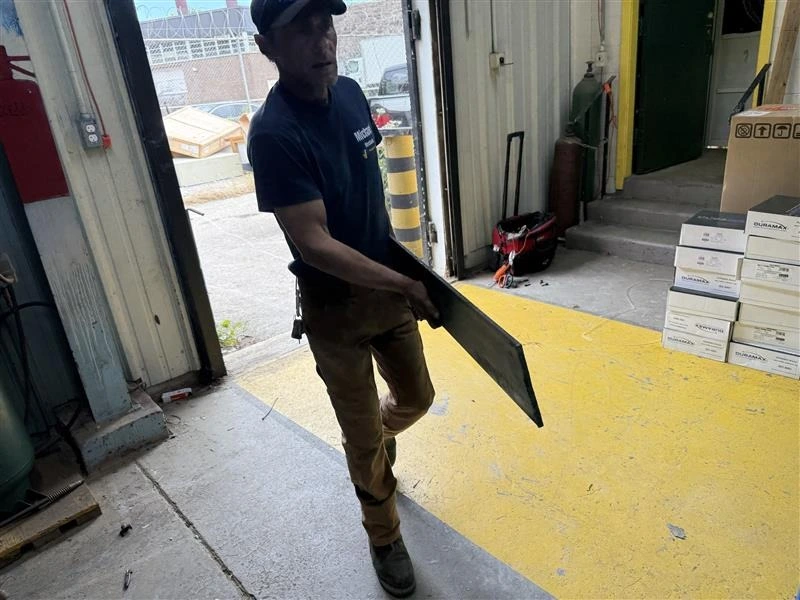
One regret that comes up often, especially from women and career changers, is waiting too long because they assumed the trades were not for them. The reality is that skilled trades careers are increasingly open to anyone willing to train.
Many of the trades that pay well were once seen as closed off, but that has changed; trade jobs for women are a growing part of the workforce, and many employers now actively want to diversify their crews. Career changers moving out of retail, warehouse, or office work bring maturity and work ethic that employers value. Veterans find that their discipline and safety mindset transfer directly. Adult learners discover that focused programs respect their time. Whether your interest is welding, automotive repair, or Automotive Technology and Repair and beyond, the door is more open than the old stereotypes suggest.
The lesson is to start sooner rather than later. The trades do not require you to fit a mold; they require you to show up, train, and build skill.
Finally, experienced tradespeople wish they had leaned on career guidance earlier. The jump from training to a first job is where many people stall, and the ones who get help clear it faster. Résumé preparation, interview practice, and connections to hiring employers turn a certificate into an actual paycheck.
This is where the right school earns its keep. Working with an admissions and career team that understands local employers can shorten the distance between finishing a program and starting work. Treat career services not as a formality but as one of the most valuable parts of your hands-on training.
The advice experienced tradespeople wish they had heard early comes down to a few durable truths: choose a trade that fits you, train affordably and fast, chase certifications, keep learning as the work evolves, respect the soft skills, and lean on real career support. Taken together, those lessons turn skilled trades careers, including many trades that pay well, from a gamble into one of the most reliable paths available in the Philadelphia region today. The one regret almost no one has is starting too soon.
If you are ready to act on that advice, explore PTTI’s hands-on trade programs and take the first concrete step toward a skilled trades career built to last.
Most wish they had chosen a trade that fit them personally, trained affordably instead of overpaying, pursued their credentials sooner, and taken soft skills seriously. Nearly all say they wish they had started their hands-on training earlier instead of waiting.
Most skilled trades training takes several months to about a year of focused, hands-on instruction, far less than a four-year degree. Many programs are designed so motivated students can finish, earn certifications, and begin working within roughly a year.
Yes. Many trades that pay well without a degree exist, from welding and pipefitting to automotive and manufacturing roles. Earnings vary by trade, certification, experience, employer, and overtime, but the trades reward demonstrated ability rather than a four-year diploma.
Absolutely. Trade jobs for women and opportunities for career changers, veterans, and adult learners are expanding. Employers increasingly value diverse, motivated crews, and focused trade training provides a direct entry point regardless of your background.
Look for hands-on training on modern equipment, certification preparation, transparent costs, flexible scheduling, and real career support. Touring a campus and talking with instructors and the admissions team helps you judge whether a trade school in Philadelphia fits your goals.