
Some people get counted out before anyone sees what they can do. A rough stretch in school. A gap on a resume. Then the door closes. However, second-chance trade training in Philadelphia is working to change that. This post looks at what’s happening in the city right now, what real support looks like, and how a skill can turn a hard start into a steady career.
A lot of capable people get passed over. Think about who that includes:
A hard story doesn’t measure what someone can do. However, employers often see only the paperwork. Therefore, training that proves your skills matters a lot.
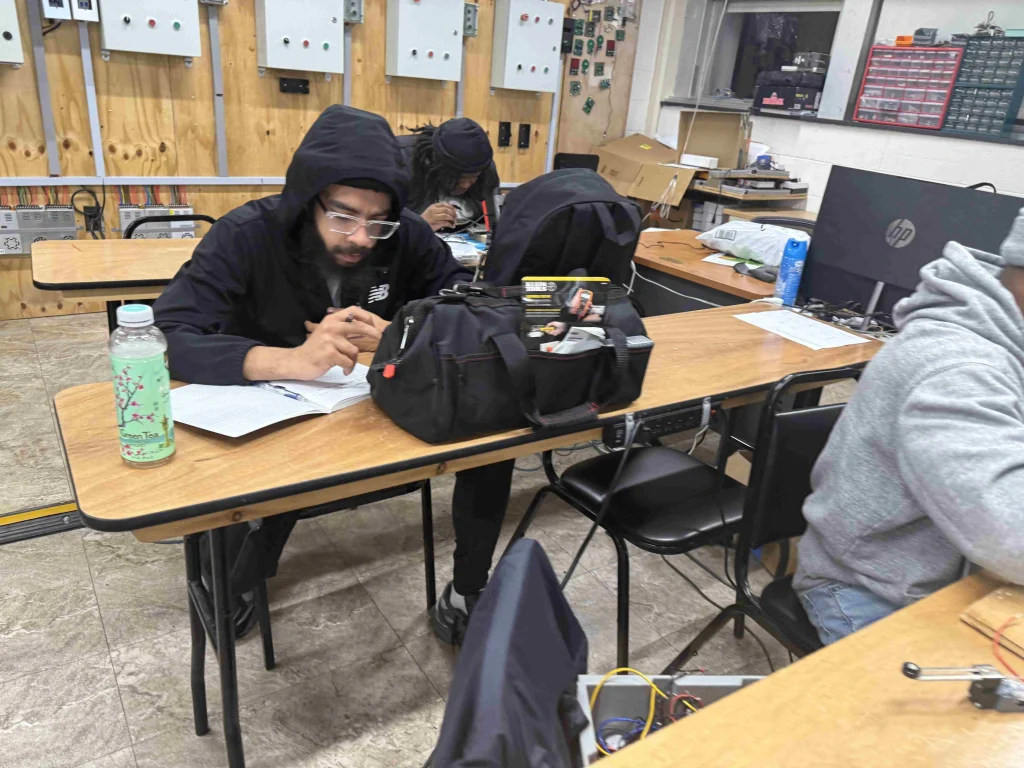
In October 2026, city officials celebrated the opening of a welding training center for incarcerated men and women on State Road. The center sits on the grounds of the city prison complex, and the PTTI Family Foundation supports it.
Training leader and founder Sherman McLeod called welding a high-demand skill. He pointed to shipyard jobs and to starting a neighborhood business as paths that can open for returning citizens. A deputy mayor also described the center as a bridge between incarceration and employment.
That’s the idea behind reentry job training in Philadelphia. Build real skills before release. Then connect them to real work.
Not every career gives you a fair shot at proving yourself. Skilled trades often do. Here’s why:
Overall, skilled trade careers reward what you can do today, not just what’s on paper.
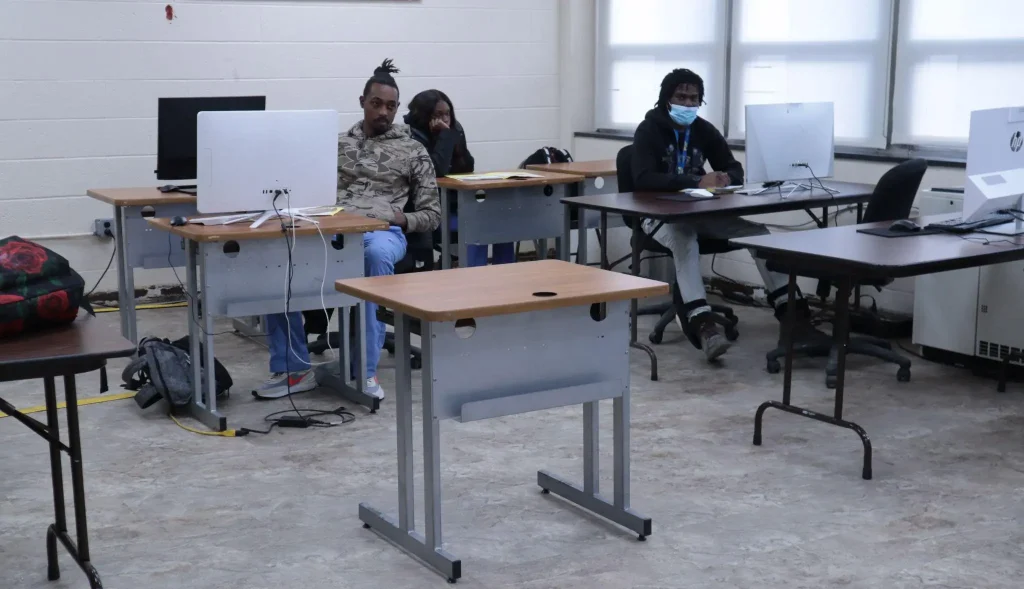
Here’s a real example. PTTI’s Welding Technology program runs 26 weeks and 900 hours. It includes 83 lecture hours, 617 hands-on shop hours, and 200 externship hours. Students practice MIG welding, Stick welding, and plasma cutting. The program also includes in-house AWS D1.1 certification.
Skilled trade component: about 9% lecture, 69% shop work, and 22% externship. Shop time tak
Second chances don’t only apply to adults. PTTI also partners with Juvenile Justice to offer skilled trades training, mentorship, and hands-on experience for youth. Early exposure to a trade can also show a young person a clear path before bad habits or bad luck lock in.
Training alone isn’t enough. A real welding training program, or any trade program, needs a few more pieces:
| Piece | Why It Matters |
| Hands-on skills | Employers want proof you can do the work |
| Recognized certification | Credentials open doors faster than promises |
| Externship | Real work experience before graduation |
| Career coursework | Resumes and interviews, practiced early |
| Employer connections | Someone has to know your name |
| Support after training | The job search doesn’t end at graduation |
PTTI builds Job Application Skills coursework and externship experience into its programs. Finally, the school reports a placement rate near 92% across its trade programs. Ask how it’s calculated. A good school explains it plainly.
Let’s be real about a few things.
Moreover, second chances still take effort on your side. But the right program gives that effort somewhere to go. Second chance jobs are real, and training is how many people reach them.

Here’s a simple path:
One step at a time is fine. You don’t need the whole plan today.
Philadelphia Technician Training Institute (PTTI) offers hands-on training in welding, HVAC, automotive technology, sterile processing, manufacturing and automation, concrete and framing, steam/sprinkler/pipefitting, and drywall. Additionally, the school partners with organizations across the city to bring training to people who are often overlooked. That’s how connection gets built up .
PTTI always aims to help those who want to grow in life but can’t move forward because of barriers. Second-chance trade training in Philadelphia isn’t charity. It’s a smart match between people ready to work and industries that need skilled hands. A skilled trade industry is ready to welcome them as always . However, it only works when training is real, certification is recognized, and support continues after class. With hands-on shop time, a strong curriculum, and employer connections, you have the pieces.
Ready to talk about your options? Call PTTI at 215-381-9403 or email info@ptt.edu to speak with an advisor.
It’s hands-on skills training that helps people with barriers, like a record or work gaps, build careers in the trades.
Yes. In October 2026, a welding training center opened on the city prison grounds on State Road, with PTTI providing the training.
It can matter to some employers or licenses. Rules vary, so talk with a reentry counselor or legal aid.
No school can guarantee a job. PTTI offers career coursework, externships, and employer connections, and reports a placement rate near 92%.
Start with FAFSA (school code 042213) and ask an advisor what you may qualify for.
Read More: