
Employers trust hands-on technicians because the skilled trades focus on fixing technical machinery issues. For Philadelphia students who enjoy working with tools, fixing problems, and seeing the results of their work, the skilled trades can open a practical career path.
Employers need workers who can do more than explain how a job works. They need people who can step onto a job site and perform the work safely. That is why hands-on training plays such an important role in technical careers.
To help students understand a wiring diagram or know the theory behind an HVAC system. It is important to understand the wiring system and technical details of the electrical system . Therefore,, it is mandatory for students to gain hands-on experience with tools and equipment; employers also want someone who can use tools, follow safety procedures, troubleshoot equipment, and complete tasks with confidence.
For students considering a trade school in Philadelphia,helps students understand practical knowledge along with long-term career growth. Practical training can help turn classroom knowledge into real workplace ability.
Hands-on training matters because 80 percent of work is based on machines and tools operated by technicians. Like concrete, drywall , pipefitting, HVAC, and more. Employers operate under real deadlines. A customer may need a broken heating system repaired before winter. A construction project may need electrical work completed before the next phase begins. An automotive shop may need a technician to diagnose a vehicle quickly.
These situations require practical skills.
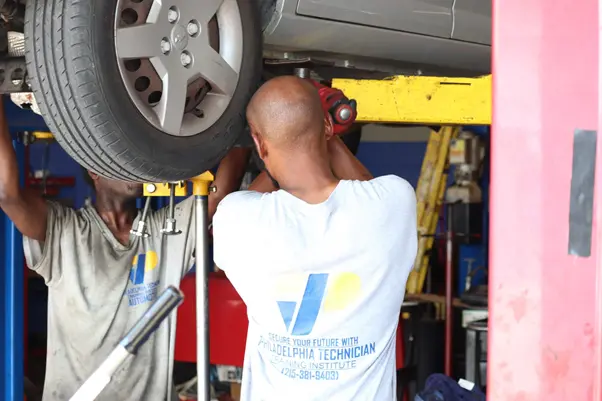
Hands-on training gives students opportunities to practice those skills before they enter the workforce. Instead of simply reading about equipment, students work with it. They learn how tools feel in their hands and how different systems respond to adjustments.
Practical work also lets students make mistakes in a supervised environment. An instructor can correct the problem and explain what went wrong.
That experience can build confidence.
Hands-on training will never replace classroom education. Classroom knowledge helps students understand theory and tool definitions during practical coursework. Classroom knowledge helps students to understand the graphs and pictures related to programs . Instead, both approaches work together. Graduates need to understand measurements, diagrams, safety rules, electrical principles, mechanical systems, and industry terminology.
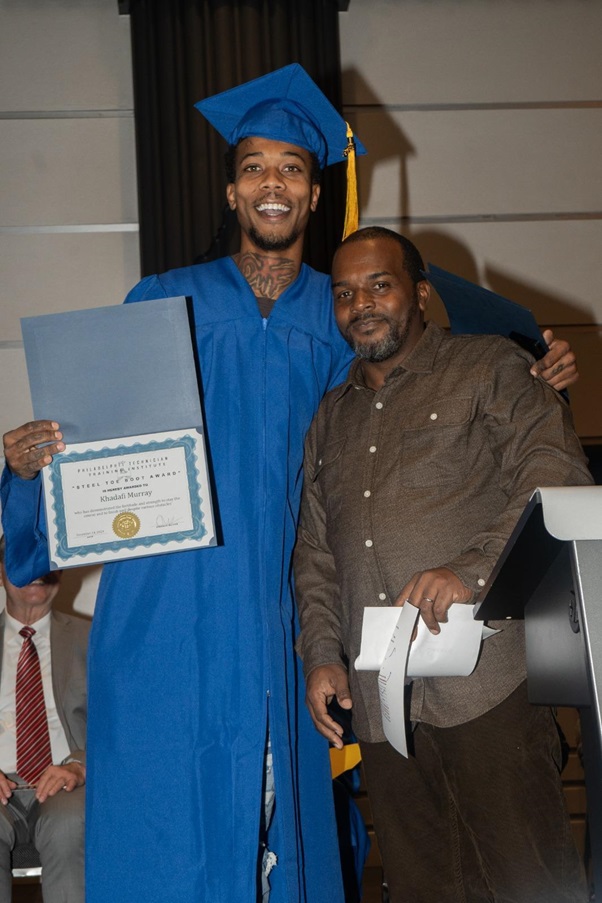
For example, an HVAC student may learn how refrigeration cycles operate in class. Later, the student can work with actual equipment and apply that knowledge. Similarly, an electrical student can study circuits before practicing wiring techniques in a lab.
Therefore, the strongest skilled trades training combines theory with practical experience.Students learn why a task matters and then how to do it correctly.
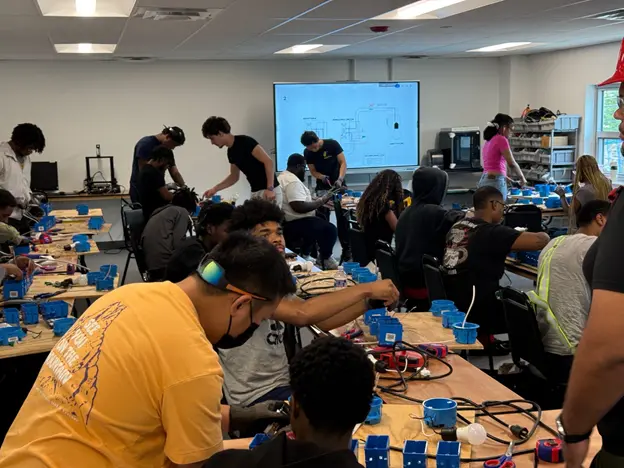
A good training lab feels different from a traditional classroom.Students spend more time moving, practicing, testing, measuring, assembling, and troubleshooting. Instructors guide them through tasks and provide feedback.
Depending on the program, students may learn how to:
These experiences develop job-ready skills that students can carry into apprenticeships and entry-level positions. More importantly, students begin to understand what employers expect.
Philadelphia has a strong need for workers in construction, maintenance, automotive, HVAC, electrical, welding, plumbing, and other technical fields.
That creates opportunities for young people who want a career based on practical ability.
Students do not need to wait until the first day of a job to discover what the work involves. A quality training program can provide an early look at the tools, equipment, routines, and expectations found in the workplace.
For students from families that cannot easily afford traditional college, this pathway can also offer a different approach to career preparation.
Instead of spending years focused only on academic coursework, students can develop a specific technical skill set and prepare for employment.
Equipment alone does not create a skilled technician. Guidance matters, too.
Experienced instructors can show students how professionals approach problems. They can explain why one method works better than another and point out small mistakes that a beginner may overlook.
For Philadelphia students, this mentorship can make a major difference.
A student who struggles with a particular task can ask questions, watch a demonstration, and try again. Over time, that process develops confidence.
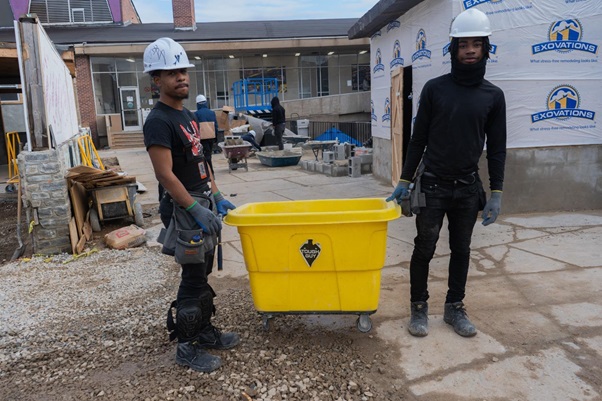
Mentors can also teach workplace habits that employers value, such as arriving on time, communicating clearly, keeping a work area organized, and respecting safety rules.
Employers do not expect a new graduate to know everything. However, they want evidence that the person has prepared for the job.That is where job-ready skills become important.
A graduate who has already practiced using tools and equipment can enter an entry-level position with a better understanding of the work environment.The student still has plenty to learn. Every workplace has different equipment, procedures, and expectations. However, practical experience provides a foundation.
It also gives students something concrete to discuss during interviews.Instead of saying, “I studied HVAC,” a student can explain the systems they practiced on, the problems they solved, and the safety procedures they followed. That difference can make an interview conversation much stronger.
Practical experience builds problem that solves major issues. Technical careers involve problems every day. A machine may stop working. A pipe may leak. A circuit may fail. An HVAC system may not cool properly. A vehicle may produce an unexpected diagnostic code.
Technicians must investigate the problem instead of simply memorizing an answer. Skilled trades training gives students opportunities to develop that mindset.
Instructors can present problems and encourage students to identify possible causes. Students then test their ideas, make adjustments, and evaluate the results.
Technology continues to change the skilled trades. HVAC systems now include smart controls. Automotive technicians work with advanced electronics. Electrical systems continue to become more sophisticated. Construction sites increasingly use digital tools and new materials.As a result, technicians must keep learning.
A student who develops practical problem-solving habits during training may find it easier to adapt to new equipment later.Employers want workers who can learn instead of workers who only know one process. That is another reason practical education matters.
Philadelphia students have several potential career directions after completing technical training.
Depending on the program, graduates may pursue trade jobs in Philadelphia such as:
Some graduates may also pursue apprenticeships or continue developing specialized skills. The career path does not have to stop at an entry-level position. Experience can lead to supervisory responsibilities, specialized technical roles, or even business ownership. For someone who enjoys working with their hands, the possibilities can grow with experience.
Students can take several simple steps to become more competitive.First, choose a program that provides meaningful practical experience. Also, you must be interested in pursuing that trade . Ask how much time students spend working with equipment and completing projects.
Safet and . Employers want technicians who understand that safe work protects themselves, coworkers, customers, and property. Also, develop communication skills. A great technician often explains a problem to a customer or coordinates with other workers.
Finally, show up consistently. So that your attendance matters too.Reliability matters in every industry. Employers need people they can trust to arrive on time, follow instructions, complete tasks, and keep learning.
Employers need technicians who can turn knowledge into action. That is why hands-on training remains an important part of career preparation. Students, a trade school in Philadelphia can provide access to practical instruction, experienced mentors, and workplace-focused learning. Through skilled trades training, students can develop job-ready skills while preparing for trade jobs in Philadelphia and beyond.
A classroom can teach you what a tool does. A training lab lets you learn how to use it. That experience can help students walk into their first job with greater confidence, stronger practical skills, and a clearer understanding of what employers expect.
Read more blogs