
In Philadelphia, young Black professionals are rewriting the success recipe by opting for skilled trades careers. For years, the prescribed recipe for success in Philadelphia was simple: graduate high school, take out enormous student loans, and acquire a four-year university degree. Today, though, that script is being revised. High education expenses, corporate fatigue, and changing employment markets are causing a big rethink.
Young Black professionals are increasingly selecting skilled trades careers to develop true independence, rather than opting for desk occupations that keep them locked in a debt cycle. This change isn’t a fallback. It’s a power move to get high-paid employment, develop independent business, and build long-lasting riches right in our local Philly communities.
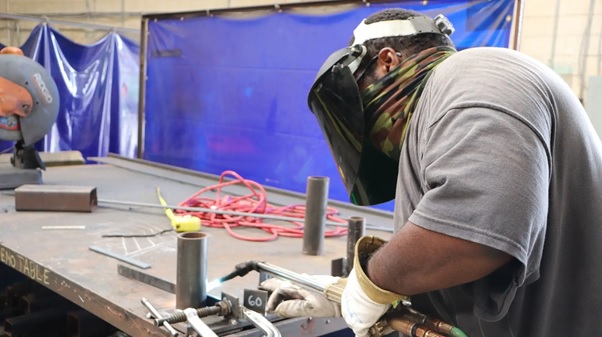
For example, local schools like the Philadelphia Technician Training Institute (PTTI) offer direct, hands-on pathways through targeted training alternatives such as their Welding Technology and Training Program or the Automotive Technology and Repair Program. These options are meant to take you from beginner to job-ready in a few months.
TL;DR: Young Black professionals are increasingly opting for skilled trades careers over traditional education courses. They’re opting for hands-on trades like electrical work, vehicle repair, and sophisticated manufacturing to get out from under crushing school debt. By doing so, they avoid corporate burnout and land well-paying, AI-proof employment that offers a straight path to business ownership and wealth growth.
To understand this shift, we first need to define what we mean by skilled trades careers. They are specialized, practical jobs like plumbing, welding, automobile repair and electrical automation that demand specific technical knowledge. Not necessarily a four-year academic degree.
For many young people throughout North and West Philly, the desire to enter these fields comes down to reclaiming power and confidence. In fact, here is why this professional change is really taking off:
So, let’s talk money. A widespread misconception is that if you work with your hands, you’re accepting lower pay. On the contrary, there is a great demand for specialized technical skills, and many high-paying trade jobs easily pay more than entry-level white-collar office employment. This is especially true when you take off the monthly student loan expense.
| Trade Career Field | Estimated Annual Salary Range (U.S.) | Training Pathways |
| Elevator Installation & Repair | $88,540+ | Apprenticeship / Certifications |
| Aircraft Mechanics | $75,020 and up | Specialized Technical School |
| Electrical & Automation Work | $60,000 – $80,000 | Vocational training programs |
| Pipefitting & Plumbing | $60,000 – $75,000 | Apprenticeship / Trade School |
| Carpentry and Home Renovations | $52,115 – $75,310 | Trade School | Hands-On Training |
| Welding Technology | $51,000 – $60,000 | Trade school certificates |
| Automotive Technology | $46,000 – $65,000 | Technical Certifications |
Note: Actual profits depend on your region, level of experience, and whether you run your own independent firm.
If you want to get into these professions quickly, without spending years in school, the best way to do so is to join a specialist technical program.
You don’t have to tackle this transition all by yourself. The path to skilled trades careers is realistic, systematic, and accessible if you know where to seek it.
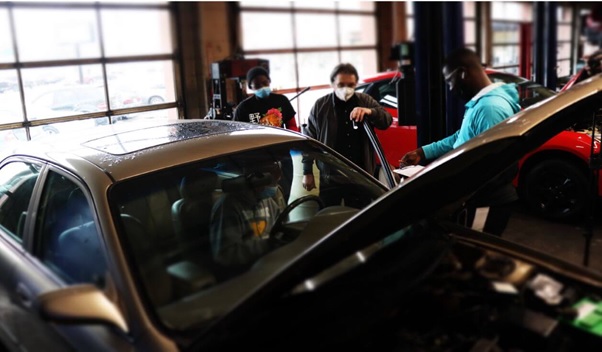
Trade school is the quickest method to get your foot in the door. These institutions are all about teaching you the technical skills companies want. Consequently, they leave out the elective fluff you’ll get at four-year schools. You can get useful trade school certificates in high-paying trades jobs and industries like advanced manufacturing or commercial property planning in less than a year.
Never let cost get in the way of your job ambitions. Fortunately, there are many ways to pay for your trade school education:
So, if you’re seeking an inexpensive, organized path forward in Philly, PTTI has flexible day and evening programs. We also provide personalized financial aid support to help maintain your training debt-free.
If you are ready to take action, here is a simple, step-by-step roadmap to develop a solid professional path:
Step 1: Know your strong points. Do you like to diagnose problems, construct things, or work with intricate machinery? With that in mind, choose something that appeals to your natural inclinations.
Step 2. Search for local training. Look into the specific vocational training programs that are offered in your area. Philly citizens can get a personal look at the hands-on courses at the PTTI campus.
Step 3: Meet with an admissions and financial aid counsellor. Ask about open enrolment dates, Pell Grants available, and flexible class schedules that allow you to manage job and family.
Step 4: Finish your technical certificates. Attend your classes regularly and attentively. Make sure to earn industry-backed trade school certificates while you’re in the workshop.
Step 5: Use job placement services. Finally, work with your school’s career services department to fine-tune your resume and sharpen your interview skills. This will get you linked directly with local Philly firms who are currently recruiting.
These days, we hear a lot about artificial intelligence taking jobs. AI is quickly transforming office-based white-collar jobs. However, it can’t physically wire a residential building, solder a structural joint, or diagnose a mechanical problem on a car.
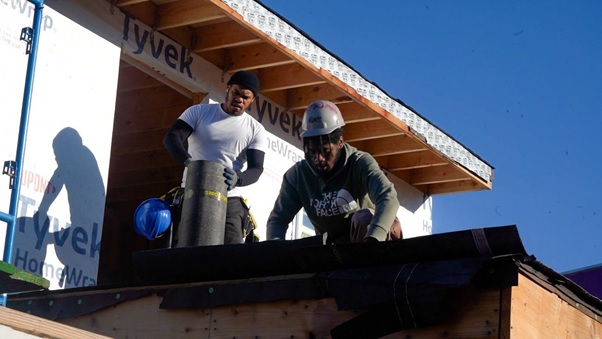
New technology is not taking the place of skilled trades careers; it is making them more efficient:
In short, young black professionals in trades who combine old-fashioned know-how with a little tech are way ahead of the game. They become modern, effective business entrepreneur completely prepared to lead the local market.
Your Next Move:
If you’re residing in the Philadelphia area and are ready to start a rewarding, secure career, don’t wait to get your future started. Go ahead and contact PTTI or visit the website. You can learn more about their hands-on training programs, schedule a campus tour, and chat with a friendly financial aid adviser. Take charge of your career path now!
1: Are careers in the skilled trades really secure from AI automation?
A: Yes. AI is good at data processing and creating text, but has no physical presence or spatial reasoning. Because of this, hands-on adaptation is necessary for things like plumbing, structural framing, and specialized automotive repair. Put simply, software just cannot replicate that.
A: Most vocational programs are specialized and can be completed in 6 to 12 months. Clearly, this is a much speedier path than the typical four-year college degree, allowing you to graduate, enter the industry, and begin earning a meaningful income in a fraction of the time.
A: Yes. Federal student financing, such as Pell Grants, is available to a large number of technical trade schools. All tuition is covered by private enterprise scholarships and workforce development subsidies funded by the state if one qualifies.
A: Electrical automation, commercial HVAC, speciality plumbing, and concrete masonry are great fields for entrepreneurship. Mainly, these industries make use of independent contractors a lot. Thus, they often have reduced startup costs and a direct route to an independent company.
Read more: