
Choosing trade school instead of college for my teen can feel like a big leap. Many parents worry it means their child is settling. It does not. Skilled trades offer stable pay, strong demand, and a faster path to a real career. This guide shows you how to open the conversation calmly. It compares earnings and debt honestly. It also shows how to explore options together and support the choice your teen makes.
If you live in Philadelphia or a nearby community, the timing is good. Local employers need welders, technicians, pipefitters, and skilled workers now. That demand gives young people real options. Let us walk through how to talk about it.
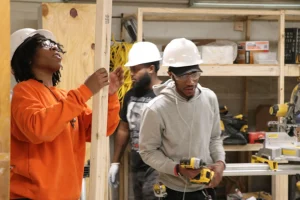
Parents shape big decisions, even when teens act independent. When you consider trade school instead of college for my teen, your support carries weight. Today, the old script of “college for everyone” no longer fits every young person. Rising tuition, heavy debt, and a shifting job market have changed the math. Skilled trades now offer a clear, respected path to a good life.
Philadelphia makes this even more relevant. The region needs skilled workers across many fields. Aging infrastructure, active construction, shipbuilding, and healthcare all drive steady hiring. Communities from North and West Philadelphia to Camden, Cherry Hill, and Drexel Hill feed one regional job market. That means local training can lead straight to local work.
Most parents fear that trades mean lower status. That fear is understandable but outdated. Skilled trades require real intelligence, problem-solving, and precision. A welder reads blueprints. A technician diagnoses complex systems. These are demanding, respected jobs. Reframing trades as skilled and secure helps ease that worry. For a wider view, our guide on why more teens choose trade school over college offers useful context.
Employers reward proven skill, not just degrees. Many well-paying roles need training, not a bachelor’s diploma. According to the U.S. Bureau of Labor Statistics, many skilled-trade jobs stay in demand through steady replacement hiring as workers retire. That demand creates real opportunity for young people entering the field now.
Start by listening, not lecturing. Ask what your teen enjoys and what they want from work. Then share what trades offer: good pay, real skills, and less debt. Keep the tone curious, not pushy. Explore options together, visit a campus, and let your teen help lead the decision.
That approach builds trust. Teens resist pressure but welcome partnership. When talking to your child about trades, treat it as a shared exploration. You are not steering them away from success. You are opening a door to it.
Begin with your teen’s interests. Do they like working with their hands? Do they enjoy fixing things or building things? Those signs point toward trades. Connect their strengths to real careers. This makes the idea feel personal, not imposed.
Good questions invite honest answers. They also lower defensiveness. Use open prompts instead of yes-or-no questions. Give your teen room to think out loud.
These questions frame alternatives to college as exciting, not limiting. They also show that you respect your teen’s voice. For students still in high school, our overview of trade training for high school students explains how early starts work.

Yes, for many teens, trades are an excellent idea. Skilled trades offer stable jobs, strong pay, and clear growth. They also cost less to enter than a four-year degree. If your child likes hands-on work and wants to earn sooner, a trade path fits well. It is a smart, secure choice, not a backup plan.
Still, every child is different. The goal is fit, not force. Some teens thrive in college. Others thrive faster in a hands-on trade. Your job is to help them see all paths clearly.
Trades pay competitively, and pay grows with skill. A trained welder, technician, or pipefitter can earn a solid living. Many reach strong wages within a few years. They also avoid years of lost income spent in school. Our look at high-paying trade jobs without a degree shows what local roles can pay.
Security matters too. Skilled work is hard to outsource or automate. A machine cannot easily replace a skilled hand on a job site. That makes trades resilient during economic shifts.
Cost is where the gap becomes clear. Many college graduates carry heavy student loan debt. That debt can delay homes, savings, and independence. Trade training usually costs far less and takes less time. Your teen can start earning sooner and owe less.
| Factor | Four-Year College | Trade School Path |
| Time to finish | About four years | Often under a year to two years |
| Typical debt | Often tens of thousands | Usually far lower |
| Time until earning | Delayed several years | Starts much sooner |
| Skill focus | Broad and academic | Job-specific and applied |
To plan real numbers, families can explore financial aid options and available financial aid programs, including federal aid many students qualify for.
Skipping college is not automatically risky. The real risk is spending years and money without a clear outcome. A trade path offers a direct route to a paid career. It builds skills employers need now. For many teens, that clarity is safer than an uncertain degree with debt attached.
Parents often assume college is the “safe” path. Sometimes it is. But safety comes from a clear plan, not just a diploma. A focused trade program can be the safer, smarter bet.
A degree with no career plan carries real risk. Graduates can finish with debt and no clear job. Meanwhile, a trade graduate may already be earning. Our post on going straight into the workforce explores this trade-off in depth.
Skilled trades resist automation. Machines struggle with unpredictable, physical, site-based work. A welder in a tight space or a technician solving a fault relies on judgment. That human skill keeps trades stable. It also keeps demand high across Pennsylvania, New Jersey, and Delaware.
This is why hands-on trade training holds long-term value for your teen.
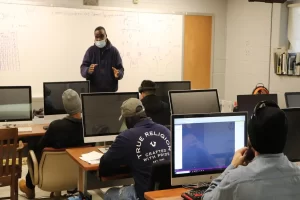
Explore alternatives to college as a team. Visit campuses, compare programs, and ask about outcomes. Look at hands-on training hours, certifications, job placement support, and career pathways. Seeing real labs, workshops, and meeting experienced instructors turns worry into confidence. It also gives your teen a clearer picture of daily learning and future opportunities. Shared exploration strengthens your teen’s commitment to the chosen path and helps everyone make informed decisions together.
This stage matters most. It moves the family from talk to informed action. It also shows your teen that you take their future seriously and are committed to supporting their long-term success.
A campus visit reveals what brochures cannot. You see the equipment, the labs, and the energy. Your teen can picture themselves there. You can schedule this together and walk through it side by side. Book a visit through the campus tour page when you are ready.
Compare programs by what they deliver. Look at skills taught, certifications offered, and career support. Review the full range of trade programs to see which fields fit your teen. Options include welding, automotive, manufacturing, pipefitting, construction, and sterile processing. Each connects to real Philadelphia-area jobs.
Support your teen with encouragement, planning, and presence. Learn about the field they choose. Help with applications and financial aid. Attend the campus tour together. Celebrate the decision as a real career move. Your steady support gives them the confidence to commit and succeed.
Your role does not end at the decision. It continues through training and into their first job. Encouragement matters at every step.
You can help in simple, direct ways. Small actions build big momentum. Your involvement signals that the choice is respected and serious.
For a sense of how students launch careers early, see how PTTI students build careers before graduation.
Plan the money side early. Trade training often qualifies for financial aid. Many families are surprised by how affordable it can be. Start with the admissions team to understand real costs and options. Clear planning removes a major source of parental worry.

PTTI helps Philadelphia families turn this decision into a clear plan. The school offers hands-on training on industry-standard equipment. Students learn real, job-ready skills, not just theory. Programs prepare them for certifications and local employment. For parents weighing trade school instead of college for my teen, that structure offers real reassurance.
Each program connects to strong regional demand. Welding, automotive, manufacturing, pipefitting, construction, and sterile processing all lead to local careers. Students come from across Philadelphia and nearby communities. That regional reach gives graduates a broad job market.
PTTI treats families as partners in the process. Staff guide students from enrollment through job placement. That support helps your teen start strong and stay on track.
Choosing trade school instead of college for my teen becomes clearer when you explore it together. You have the conversation tools. You have the earnings and debt comparison. You have a plan to visit, compare, and support. The next step is simple and low-pressure. See a campus in person as a family.
Schedule a campus tour together through our appointment page, or reach out to contact admissions with your questions. Walk the labs, meet the instructors, and let your teen picture their future. A single visit often turns worry into confidence.
Start by listening to their goals and interests. Then share the benefits of trades, like good pay and less debt. Keep it a shared exploration, not a lecture. Touring a campus together, such as at PTTI, often turns curiosity into a confident decision.
For many teens, yes. Trades offer stable jobs, competitive pay, and a faster start than college. They suit young people who enjoy hands-on work. PTTI’s programs prepare students with real skills and certifications tied to Philadelphia-area demand.
Not necessarily. The greater risk is time and debt without a clear career outcome. A focused trade path offers a direct route to paid work. Hands-on training at a school like PTTI builds skills employers actively need.
Encourage them, research the field together, and attend a campus tour as a team. Help review costs and financial aid early. Steady support matters through training and into the first job, and PTTI guides families through each step.
For many students, yes. Trade school costs less, takes less time, and leads to in-demand jobs. It removes years of debt and delayed earning. PTTI’s hands-on, career-focused training helps teens enter the workforce prepared and confident.