
Most people enter sterile processing for one simple reason: it is one of the fastest, most affordable ways into a stable healthcare career, and it does not require a nursing degree or years of school. What far fewer people realize before they start is how much room the field gives you to move up. Sterile processing career growth is real, structured, and largely driven by certifications and experience rather than by expensive additional degrees.
A sterile processing technician (also called a central service or central sterile technician) cleans, inspects, assembles, and sterilizes the surgical instruments that every operating room depends on. It is precise, essential work, and hospitals cannot run surgeries without it. That built-in demand is what turns an entry-level role into a genuine sterile processing career path, one that can climb from a starting hourly position to a salaried department lead, supervisor, or manager.
This guide maps that journey step by step. It explains how to become a sterile processing technician, then walks the full sterile processing career path from entry-level technician to department lead. Along the way, it covers the certifications that unlock each stage, realistic sterile processing technician salary ranges in the Philadelphia area, how long training takes, the skills employers expect, and the 2026 job outlook. It is written for career changers, high school and college graduates, veterans, and adult learners who want a healthcare career they can start quickly and grow into for years.
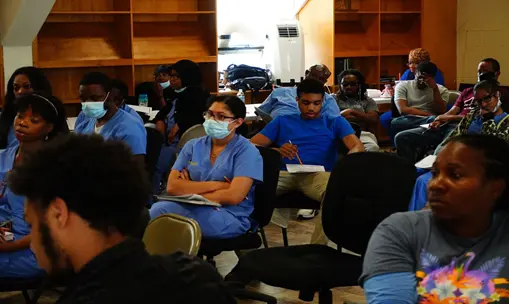
Sterile processing is the behind-the-scenes discipline that keeps surgery safe. Technicians decontaminate used surgical instruments, inspect them for damage, reassemble complex instrument trays, run sterilization equipment, and manage the flow of sterile supplies back to operating rooms and procedure areas. Every surgical case depends on this work being done correctly.
The reason the field supports strong career growth comes down to three factors. First, the work is indispensable and largely resistant to being outsourced or eliminated, which creates lasting demand. Second, the profession has a well-defined credential ladder, so advancement is tied to certifications you can earn on a predictable timeline rather than to seniority alone. Third, hospitals increasingly reward specialization, because complex instruments like robotic and endoscopic equipment require validated expertise.
In practical terms, that means a motivated technician is not stuck at an entry wage. With the right certifications and a few years of experience, sterile processing career growth can move you from a starting hourly role into specialized, lead, and management positions that carry salaried pay and real authority over a department.
Advancement in this field follows a recognizable progression, and the sterile processing career path pairs each level of experience with a specific credential. Here is how the ladder works in most hospital systems.
This is where nearly everyone begins. New technicians learn decontamination, instrument identification, tray assembly, and sterilizer operation, usually working under supervision. Many hospitals hire promising candidates who have completed a training program and require them to earn certification within a set window, often 180 days. This stage is about building speed, accuracy, and comfort with the department’s instrument sets.
Earning the Certified Registered Central Service Technician (CRCST) credential from the Healthcare Sterile Processing Association (HSPA, formerly IAHCSMM) is the single most important early step. The CRCST certification signals verified competence, and many employers require or strongly prefer it. Certified technicians typically earn a few thousand dollars more per year than non-certified peers and qualify for a much wider range of open positions, especially at larger facilities. For most people, the CRCST certification is the first real milestone in sterile processing career growth.
Once certified and experienced, technicians can specialize. The Certified Instrument Specialist (CIS) credential validates expertise in complex surgical instrumentation, which is especially valuable in orthopedic, robotic, and cardiovascular programs. The Certified Endoscope Reprocessor (CER) credential validates skill in reprocessing delicate flexible endoscopes, some of the most challenging and scrutinized items in the department. Each specialty credential tends to add to hourly pay and opens more advanced roles.
A lead technician coordinates workflow, mentors newer staff, troubleshoots problems, and often serves as a preceptor for new hires. Lead roles usually become available after several years of experience and frequently expect leadership-oriented credentials. This is the pivot point where a technician begins moving from purely hands-on work toward oversight.
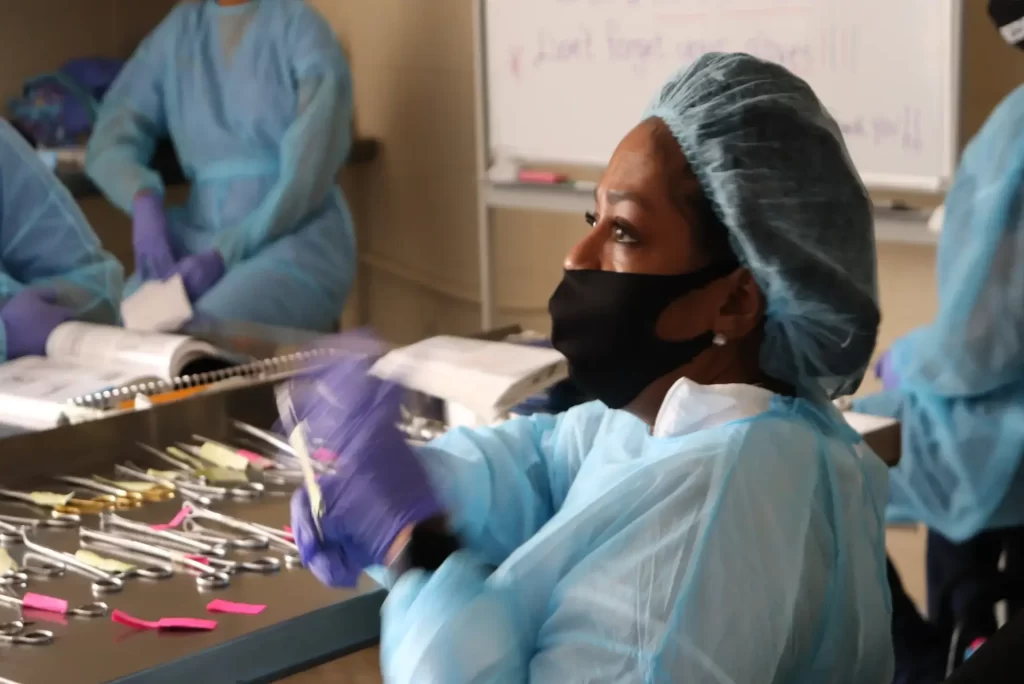
A sterile processing supervisor manages daily operations, schedules, quality checks, and staff performance. Becoming a sterile processing supervisor typically requires roughly seven to ten years of progressive experience and usually a leadership credential such as the Certified Healthcare Leader (CHL). Compensation moves from hourly to salaried at this stage, and the role marks the shift from doing the work to running the department.
At the top of the department ladder, managers hold full responsibility for an SPD’s operations, budget, compliance, and staff. From there, careers branch into director roles, broader perioperative leadership, or education roles where experienced professionals train the next generation of technicians. These positions carry the highest pay and the most influence over patient-safety outcomes.
🏥 See where the ladder starts. Explore PTTI’s Sterile Processing & Central Services Technician program to learn how training prepares you for that first certified role.
The sterile processing technician salary in the Philadelphia area generally runs above the national and Pennsylvania averages, and it rises meaningfully as you climb the certification ladder. Entry-level technicians commonly start in the low-to-mid $40,000s, while certified, specialized, and leadership roles reach much higher. Understanding the sterile processing technician salary at each stage is the clearest way to see why advancement matters.
For national context, the U.S. Bureau of Labor Statistics reported a median wage of about $47,700 per year (roughly $22.93 per hour) for medical equipment preparers as of May 2025, with top earners exceeding $69,950. Pennsylvania’s median sits near $45,820, but Philadelphia’s concentration of major hospitals pushes local pay higher, with area hourly rates frequently reported in the high-$20s to low-$30s.
| Career Stage | Approximate Pay Range (Philadelphia Area) |
| Entry-level technician | $40,000 – $47,000 |
| CRCST-certified technician | $47,000 – $58,000 |
| Specialty / lead technician | $52,000 – $67,000 (≈ $25–$32/hr) |
| Sterile processing supervisor | $60,000 – $80,000 |
| Manager / Director | $75,000 – $110,000+ |
A few realities shape these numbers. Shift differentials for evenings, nights, and weekends can add meaningfully to base pay, since hospital sterile processing departments often run around the clock. Overtime and on-call rotations tied to busy surgical schedules can push annual earnings higher. And each certification you add tends to raise your sterile processing technician salary while qualifying you for the next role up.
Want the full salary picture? Read PTTI’s sterile processing technician salary guide for state-by-state and stage-by-stage detail.
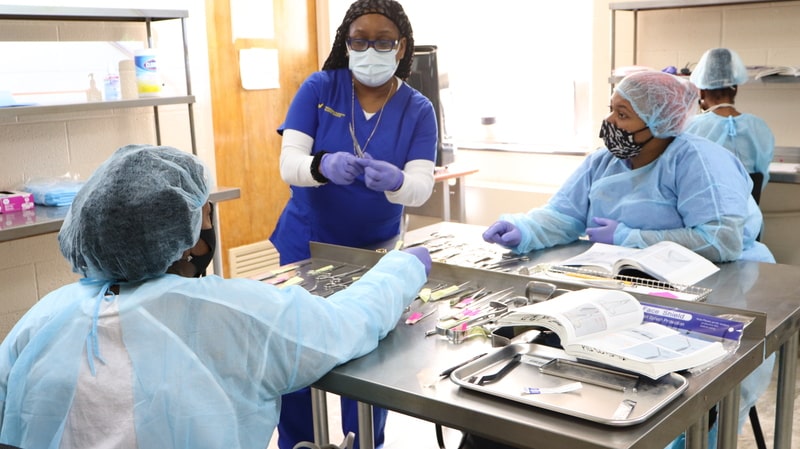
If you are researching how to become a sterile processing technician, the timeline is one of the biggest draws. Most sterile processing training takes about six to nine months, which is why it is one of the quickest ways into a healthcare career. A focused program covers decontamination, disinfection and sterilization, instrument identification, tray assembly, infection-control principles, and the workflow of a real central sterile department, then prepares you to sit for certification.
The fastest, most reliable path pairs classroom instruction with hands-on lab work and, ideally, a clinical externship in a working hospital department. Externships matter because employers want candidates who have already handled real instruments and understand the pace and standards of a live SPD. Learning how to become a sterile processing technician the right way, with real lab time, is also how many students convert training directly into one of the many sterile processing jobs in Philadelphia’s hospital network.
Because you can complete training and begin working in under a year, sterile processing is a strong fit for career changers and adult learners who cannot pause their lives for a multi-year degree. It is one of several ways young adults are moving into healthcare in about six months rather than years.
Certifications are the engine of advancement in this field. Unlike many careers where promotion depends on subjective factors, sterile processing ties much of its growth to credentials you can plan for and earn. For most people, earning the CRCST certification is the first and most important milestone in sterile processing career growth. Here are the credentials that matter most.
| Credential | What It Validates | Where It Leads |
| CRCST (HSPA) | Core sterile processing competence | Required or preferred for most technician jobs |
| CBSPD / CSPDT | Alternative core certification | Recognized by many health systems |
| CIS | Complex instrument expertise | Specialty and instrument-management roles |
| CER / CFER | Flexible endoscope reprocessing | Endoscopy and GI-focused roles |
| CHL | Healthcare leadership | Lead, sterile processing supervisor, manager, educator roles |
The pattern is straightforward: the CRCST certification gets you in and certified, specialty credentials like CIS and CER raise your value and pay, and the CHL is the leadership credential that most lead, supervisor, and management roles now expect. Planning your certifications in sequence is essentially planning your sterile processing career growth.
📜 Certification-ready from day one. PTTI’s training is built around exam readiness. Learn how students pursue CRCST certification with PTTI.
Hiring managers and department leads look for a mix of technical precision and dependable professional habits. As you move up the sterile processing career path, the emphasis shifts from hands-on execution to oversight and communication.
These are exactly the competencies a strong training program is designed to build through real labs, industry-standard equipment, and applied practice. Technical skill gets you hired; the professional and leadership skills are what move you up.
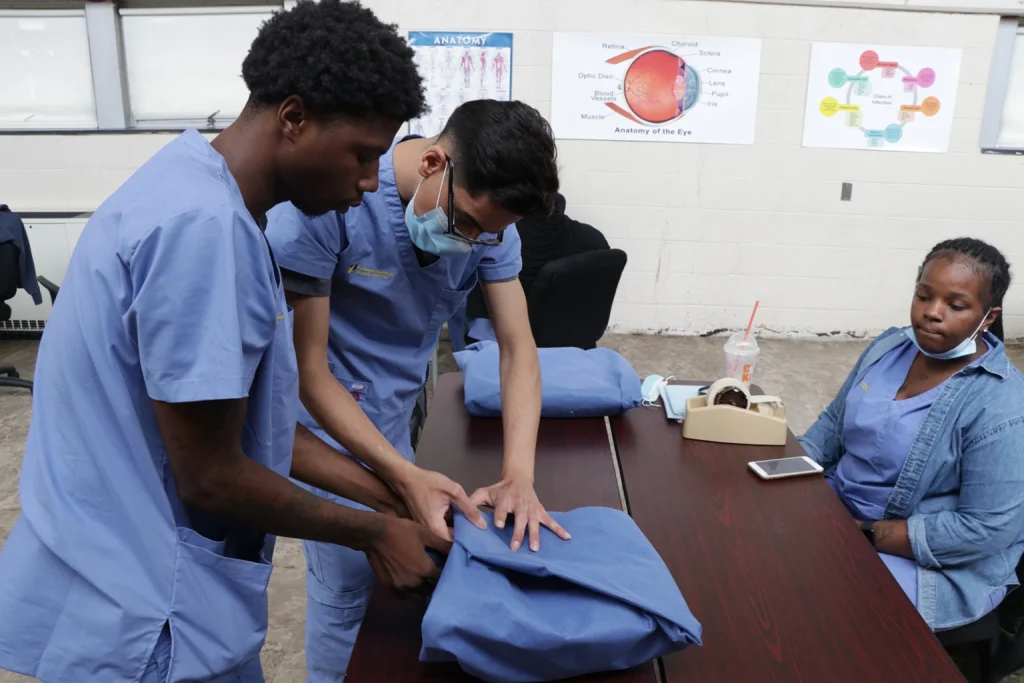
Yes. Sterile processing is a stable, in-demand healthcare career with strong advancement potential and a fast entry path. The U.S. Bureau of Labor Statistics projects employment of medical equipment preparers to grow about 10% from 2024 to 2034, much faster than the average for all occupations, with roughly 10,900 openings expected each year nationwide.
Several forces reinforce that demand. Surgical volumes continue to rise with an aging population. Hospitals face persistent staffing shortages in support roles. And regulatory attention to instrument reprocessing keeps raising the value of trained, certified technicians. The combination of fast entry and steady sterile processing career growth is exactly what makes the field stand out for people who want security without a four-year degree.
For anyone comparing entry points into healthcare, sterile processing stands out for how quickly you can start and how clearly you can grow. It is worth comparing against adjacent paths, as many students do when they weigh sterile processing against nursing and other options.
Philadelphia is one of the country’s major healthcare hubs, and that density directly supports a strong sterile processing career path. The region’s large hospital systems, academic medical centers, and growing number of outpatient surgical centers create steady hiring, real advancement opportunities, and access to the specialized surgical programs where certified technicians earn the most.
Graduates find opportunities across the city and surrounding communities, from North, South, and West Philadelphia to the many hospitals and surgery centers throughout the metro area and into nearby Pennsylvania and New Jersey. Completing sterile processing training in Philadelphia means building skills close to the sterile processing jobs in Philadelphia’s hospitals, and a program connected to area healthcare employers can help bridge the gap from classroom to a first certified role. Local training also puts advancement into lead and sterile processing supervisor positions within closer reach.
Prospective students often weigh sterile processing against other short-training healthcare roles. Here is an honest comparison of what sets it apart.
| Factor | Sterile Processing | Many Other Entry Healthcare Roles |
| Training time | ~6–9 months | Varies; some longer |
| Patient contact | Behind the scenes | Often direct patient care |
| Advancement structure | Clear certification ladder | Varies by role |
| Environment | Controlled department setting | Varies widely |
| Growth ceiling | Lead, supervisor, manager, director | Depends on further schooling |
Sterile processing appeals especially to people who want essential healthcare work without direct patient care, prefer a structured, credential-based sterile processing career path, and want to start earning quickly. It rewards precision, consistency, and initiative more than any single academic credential.
Sterile processing is one of the rare healthcare paths that is both quick to enter and genuinely open-ended. You can complete training in under a year, earn your CRCST certification, and step into an essential hospital role, then keep climbing. With each certification and a few years of experience, sterile processing career growth can carry you from an entry-level technician to a specialty expert, a lead, a sterile processing supervisor, and ultimately a department manager or director.
The sterile processing career path rewards precision, reliability, and initiative more than any single degree, and demand in the Philadelphia region is steady and growing. The one decision that starts it all is choosing sterile processing training in Philadelphia that prepares you to get certified and hired.
Start your sterile processing career. Explore PTTI’s Sterile Processing & Central Services program, request information, or schedule a campus tour. Ready to move forward? Contact admissions to take the first step toward long-term sterile processing career growth.
You advance by combining experience with certifications. After earning the CRCST certification and building several years of hands-on experience, technicians add specialty credentials (like CIS or CER) and a leadership credential (CHL), then move into lead and sterile processing supervisor roles that manage workflow, quality, and staff.
The sterile processing career path runs from entry-level technician to certified technician (CRCST), then to specialty or lead technician, sterile processing supervisor, and finally manager or director. Each stage generally pairs added experience with a specific certification, making advancement predictable and plannable.
The CRCST certification is the foundational credential. To advance, technicians typically add specialty certifications such as CIS (instruments) or CER (endoscopes), and the CHL (Certified Healthcare Leader) for lead, supervisor, and management positions.
The sterile processing technician salary for entry-level roles in the Philadelphia area commonly starts in the low-to-mid $40,000s, with local hourly rates often in the high-$20s to low-$30s. Certified, specialized, lead, supervisor, and manager roles range from roughly $52,000 to $100,000 or more.
Most programs that teach how to become a sterile processing technician take about six to nine months, followed by certification. This makes sterile processing one of the fastest ways to begin a healthcare career, often in under a year.
No. Entry-level sterile processing roles require a high school diploma or GED plus training and certification, not a college degree. Some senior management roles may prefer additional education, but the core sterile processing career path is built on certifications and experience.
It can be fast-paced, especially during heavy surgical schedules, and it demands consistent precision. Many technicians value that the work is structured, indispensable, and free of direct patient-care pressures, which suits people who prefer detailed, behind-the-scenes work.
Yes. With strong projected job growth, steady demand, and a clear certification-based ladder from technician to department leadership, the sterile processing career path offers durable long-term growth, particularly for certified professionals.
Philadelphia Technician Training Institute (PTTI) offers hands-on sterile processing training in Philadelphia with industry-standard equipment and certification preparation, designed to move students toward a first certified role in the region’s healthcare system.
Continue exploring sterile processing careers, training, and outcomes with these related PTTI resources: