
The story most people have heard about automation is simple and wrong: robots arrive, workers leave. The reality on the factory floor in 2026 is more interesting and far more hopeful. Automation is not erasing manufacturing work; it is rewriting the job description. Repetitive, low-skill tasks are being handed to machines, while the people who install, program, monitor, and troubleshoot those machines are becoming some of the most valuable and best-paid workers in the plant.
That shift is the whole point of this guide. Understanding how automation is changing manufacturing jobs matters because it tells you exactly where the opportunity is. The roles growing fastest are technical, hands-on, and reachable without a four-year degree. For high school graduates, career changers, veterans, and adult learners across the Philadelphia region, manufacturing automation careers represent one of the clearest paths to stable, high-paying, future-resistant work. This article breaks down what is actually happening, which careers are being created, what they pay, the skills employers are hiring for, and how to train for them.
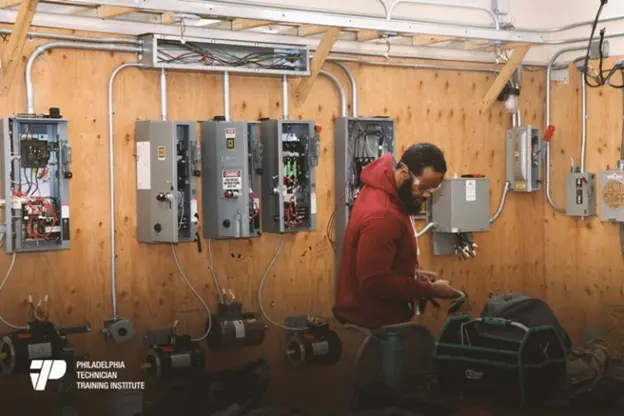
Automation is changing manufacturing jobs far more than it is eliminating them. It automates repetitive tasks while creating demand for skilled technicians who install, program, and maintain automated systems. The Bureau of Labor Statistics projects some machine-operation roles to decline, while automated-equipment maintenance roles grow sharply. The work is shifting up the skill ladder, not disappearing.
This is the single most important thing to understand about modern manufacturing. When a plant installs a robotic cell, it does not simply remove jobs. It changes which jobs exist. Someone has to specify the sensors, write and test the control logic, integrate the equipment, keep it calibrated, and diagnose it when it stops. Those are not the jobs machines take; those are the jobs machines create. The people who can do that work are in short supply, and that shortage is exactly why these roles pay well and hire steadily.
Walk into a modern facility today and the difference from a decade ago is obvious. Manual, repetitive stations have been consolidated into automated lines. Machines handle the predictable, high-volume work. Humans handle everything the machines cannot: judgment, exceptions, setup, integration, and repair.
The center of gravity in manufacturing has moved from doing the task to overseeing the system that does the task. A worker who once fed parts by hand now monitors a cell, reads the data it produces, catches problems before they cause downtime, and adjusts the process. This is why continuous learning has become the most valuable manufacturing skill of all. New software, AI-driven monitoring, and robotics keep arriving, and the workers who thrive are the ones who keep adding capability.
Automation also introduces predictive maintenance, where sensors and software flag a failing component before it breaks. That single change turns maintenance from a reactive scramble into a planned, skilled discipline, and it puts a premium on technicians who understand both the mechanical and the digital sides of a machine.
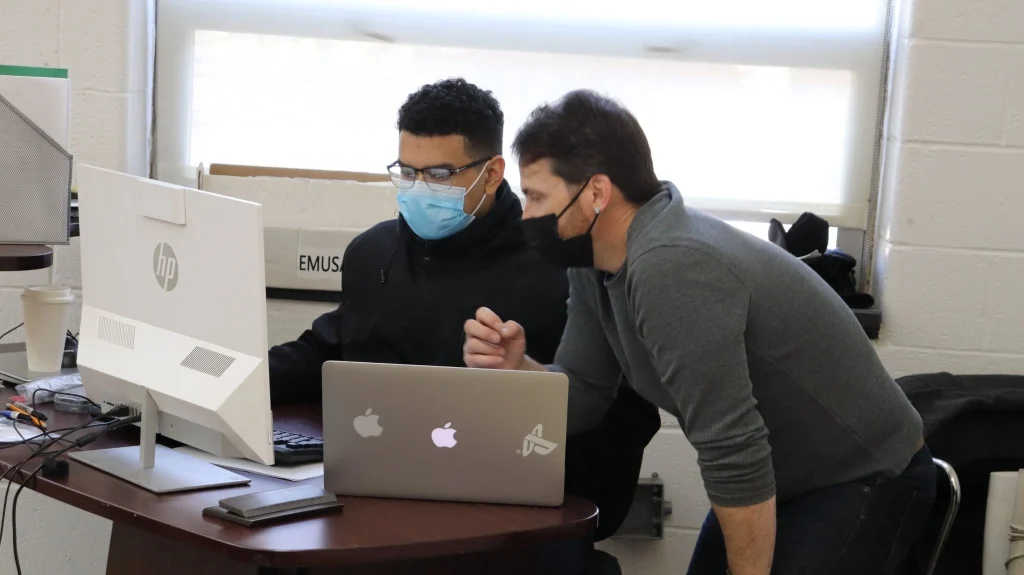
Automation has expanded the manufacturing career map rather than shrinking it. The roles growing in importance include:
The clearest evidence that automation improves manufacturing careers is in the pay. As the work moves from operating machines to keeping automated systems running, compensation rises meaningfully. Federal wage data shows the gap plainly.
| Role Level | Typical Median Pay (BLS, May 2024) | What the Work Involves |
| Machine operation (entry) | ~$46,800 | Running and tending production machines |
| Industrial maintenance technician | ~$62,000 | Repairing and maintaining automated machinery |
| Electro-mechanical / mechatronics technician | ~$70,760 | Integrating and troubleshooting automated systems |
The pattern is unmistakable: the rungs closest to simply operating a machine are flat or declining, while the rungs that keep automated machines running are climbing. According to the Bureau of Labor Statistics, the median wage for installation, maintenance, and repair occupations was $58,230 in May 2024, above the $49,500 median for all occupations. In other words, the automation-era manufacturing jobs pay a premium precisely because they require skills that are hard to find.
For someone deciding where to invest their training, this is the whole argument. Adding controls, PLC, and robotics capability is the most direct lever for raising income in manufacturing, and it does not require years in a classroom.
The outlook for skilled, automation-era manufacturing roles is strong. The Bureau of Labor Statistics projects industrial machinery mechanics, machinery maintenance workers, and millwrights to grow 13% from 2024 to 2034, much faster than the 3% average for all occupations, with about 54,200 openings each year. BLS explicitly attributes part of that growth to the continued adoption of automated manufacturing machinery.
That is the counterintuitive truth that headlines miss. The same automation that reduces demand for some repetitive production work is directly driving demand for the technicians who support it. BLS projects metal and plastic machine-worker roles to decline while automated-equipment maintenance roles grow by double digits. On top of new positions, a large wave of experienced technicians is retiring, creating constant replacement demand. Employers across the country report that these technical roles are the hardest to fill, which is good news for anyone entering the field now.
For a deeper look at where this demand is concentrated, see PTTI’s breakdown of the top reasons manufacturing and automation jobs in Philadelphia are booming in 2026.
Employers in automated manufacturing hire for a specific, teachable skill set. The highest-demand capabilities include programmable logic controller (PLC) programming, robotics operation and troubleshooting, sensor and controls knowledge, electrical fundamentals, and the ability to read data and diagnose problems on automated lines. Adaptability and continuous learning round out what hiring managers look for.
Here is what that looks like in practice on a modern floor:
Notice what is not on that list: a four-year degree. Employers want demonstrated capability, and that is built fastest in a hands-on lab, not a lecture hall. To see which specific technologies matter most right now, PTTI’s guide to the top automation technologies every manufacturing student should master is a useful starting point.
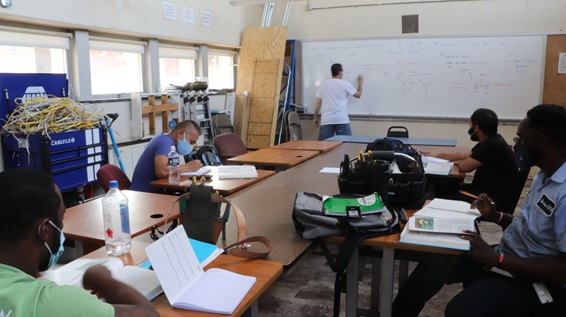
The national trend is real, but for prospective students the local picture is what matters. The Philadelphia region has a working manufacturing base, from fabrication shops and industrial plants to advanced production facilities, and those employers face the same technician shortage as the rest of the country.
That creates real openings for trained automation and maintenance technicians across the city and its surrounding areas, including North Philadelphia, South Philadelphia, West Philadelphia, and Southwest Philadelphia, as well as the nearby Pennsylvania counties and South Jersey communities within commuting distance. Because the skills are portable, training centrally in Philadelphia positions graduates to take opportunities in whichever direction the best role appears.
This is where local training becomes an advantage rather than an afterthought. A program built around the equipment and skills that regional employers actually use shortens the distance between finishing a program and starting a career. PTTI’s Manufacturing & Automation and Electrical Technician program is designed around exactly that goal: hands-on training on industry-standard equipment for the roles local plants are hiring to fill.
No, you do not need a college degree to become an automation technician. Employers hire based on demonstrated ability with PLCs, sensors, robotics, and automated systems, not on academic credentials. A focused, hands-on training program is a faster and more direct route into the field than a four-year degree, and it lets you start earning years sooner.
This is one of the most important facts for anyone weighing their options after high school or considering a career change. The barrier to entry in manufacturing automation is skill, not tuition debt. Many successful technicians enter through a targeted program, prove their capability, and then keep stacking certifications and specialties to raise their pay over time. The degree question, in this field, is largely settled: capability is the currency.
Getting into this field follows a clear, achievable path. Here is the route most new automation and maintenance technicians take.
For students who want to understand how this path compares to the traditional route, PTTI explains why manufacturing and automation program graduates are ahead of their college peers.
Ready to explore this career? Request information, explore PTTI’s programs, or schedule a campus tour to see the training labs in person.
For many students and career changers, the real decision is between a focused technical program and a traditional degree. Here is an honest comparison for this specific field.
| Factor | Manufacturing & Automation Program | Four-Year College |
| Time to job-ready | Months | About four years |
| Cost | Lower, focused tuition | Often significant debt |
| Path to income | Start earning quickly | Earning typically delayed |
| Hands-on training | Core of the program | Often limited |
| Skills employers screen for | Directly targeted | Broader, less applied |
| Fit for automation roles | Purpose-built | Indirect |
College is the right choice for some careers. But for manufacturing automation careers, the technical-program route is the standard path, because employers hire on hands-on capability that a focused program delivers in a fraction of the time and cost.
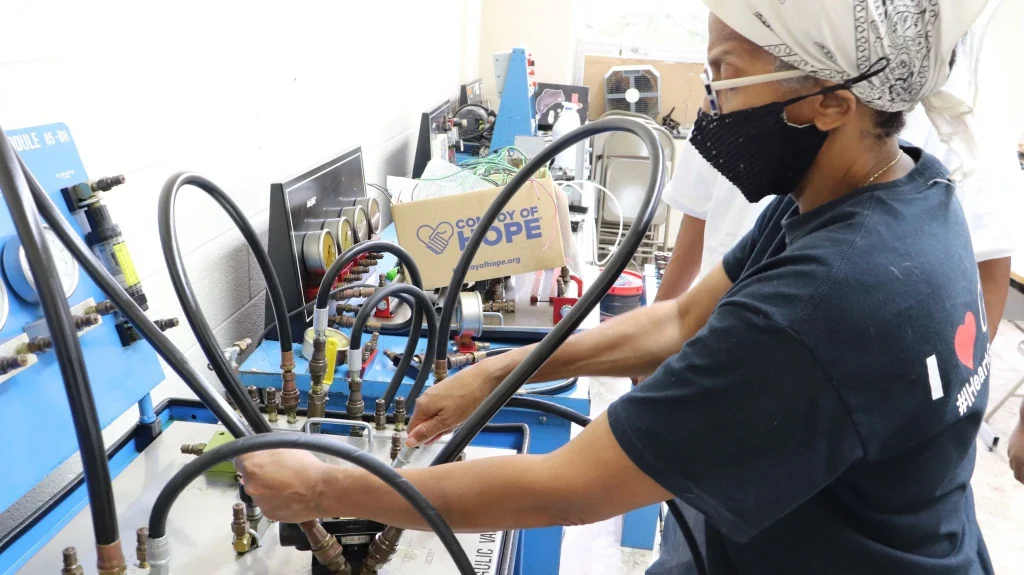
There is a reassuring logic at the heart of this field. The jobs automation is creating are, by their nature, hard to automate. Installing a new robotic cell, diagnosing an intermittent fault, integrating mismatched equipment, and exercising judgment when something goes wrong all require human problem-solving. A machine cannot easily maintain the machines. That is why skilled trades and technical roles remain among the most durable careers even as technology advances, a theme PTTI explores in why AI can’t replace skilled trades jobs.
The fear that automation is coming for manufacturing jobs gets the story backward. Automation is retiring the repetitive tasks and elevating the people who can run the technology, and it is paying them more to do it. For anyone in the Philadelphia region weighing their future, manufacturing automation careers offer something rare: strong demand, above-average pay, durability against the very technology reshaping the field, and an entry path that does not require a four-year degree or years of debt.
The way in is focused, hands-on training built around the skills employers actually hire for, PLCs, robotics, controls, and troubleshooting. That is precisely what a strong manufacturing and automation program provides, along with the career support to turn skills into a first job.
Take the next step. Explore PTTI’s Manufacturing & Automation program, contact admissions, or schedule a campus tour to start building a career that automation makes stronger, not obsolete.
No. Automation is transforming manufacturing jobs, not eliminating them. It takes over repetitive tasks while creating strong demand for technicians who install, program, and maintain automated systems. Federal data shows automated-equipment maintenance roles growing much faster than average even as some machine-operation roles decline.
Automation is driving demand for automation and controls technicians, industrial maintenance technicians, robotics technicians, mechatronics technicians, and data-focused quality specialists. These roles keep smart manufacturing systems running and are among the best-paid, hardest-to-fill positions in the industry.
Pay rises with skill. Machine-operation roles have a median near $46,800, while electro-mechanical and mechatronics technician roles have a median around $70,760, according to the Bureau of Labor Statistics. Industrial maintenance roles fall in between, above the median for all occupations.
No. Employers hire automation technicians on demonstrated ability with PLCs, robotics, sensors, and troubleshooting. A hands-on manufacturing and automation program is a faster, more direct route than a four-year degree and lets you start earning years sooner.
The most in-demand skills are PLC programming, robotics and mechatronics, electrical and mechanical fundamentals, controls knowledge, data literacy for predictive maintenance, safety discipline, and the willingness to keep learning as technology evolves.
Yes, especially in the technical, automation-era roles. With double-digit projected growth for automated-equipment maintenance jobs, tens of thousands of annual openings, a retiring workforce, and pay above the national median, skilled manufacturing careers are stable and in demand.
Philadelphia Technician Training Institute (PTTI) offers hands-on manufacturing and automation training on industry-standard equipment, preparing students across Philadelphia, Pennsylvania, and South Jersey for automation, controls, and industrial maintenance roles.