
For many young people, finishing high school comes with a big question: What should I do next?
For years, college has often been presented as the natural next step. But there is no single path to a successful career. Some students enjoy traditional classroom learning, while others learn better by doing. For those students, a trade school in Philadelphia can offer a chance to learn practical skills while preparing for a specific career.
For Black youth in Philadelphia, having access to different education and career options can be especially important. Choosing a skilled trade does not mean choosing an easier path or settling for less. It means looking at the options available and finding an education that fits your interests, goals, and circumstances.
Not everyone learns in the same way. Some students are comfortable spending years in a traditional academic environment, while others would rather work with tools, equipment, technology, and real-world problems.
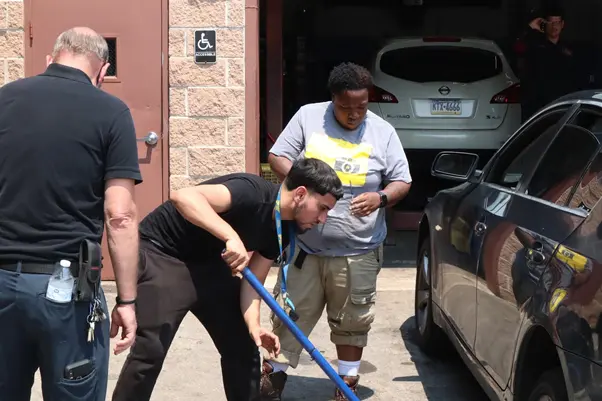
That is one reason trade schools in Philadelphia continue to attract students who want a more hands-on approach to education. Instead of studying a broad range of subjects, students can focus their training on a particular skill and learn about the work they may eventually do.
The financial side of education also plays a role in these decisions. College expenses can include tuition, housing, books, transportation, and student loans. Trade school also comes with costs, so students should not assume that it will automatically be cheaper.
A better approach is to compare a program’s total cost, available financial aid, training time, certifications, and potential career opportunities before deciding.
Learning a Skill Can Open New Doors
One of the things that makes technical education different is the opportunity to put learning into practice.
At Philadelphia Technician Training Institute, students can explore programs in areas including welding, automotive technology and repair, HVAC, manufacturing and automation, steam, sprinkler and pipe fitting, concreting, masonry and framing, drywall, framing and finishing, and central processing and sterile services.
Having different programs to choose from allows students to think about the type of work they actually enjoy.
Someone who has always been interested in cars might find automotive technology appealing. A student who likes building and creating things may enjoy welding or construction. Someone interested in mechanical systems may want to explore HVAC or pipefitting.
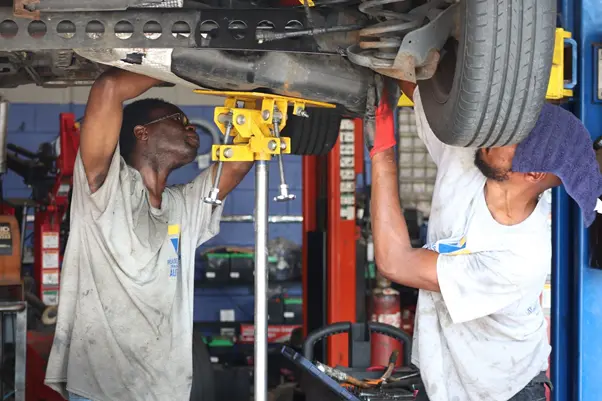
The important thing is not simply choosing a popular trade. It is finding a program that feels like a good match for your interests and abilities.
Welding is one of the skilled trades that can appeal to people who enjoy practical work and want to see the results of their efforts.
Learning to weld requires more than knowing how to operate equipment. Students need to understand safety, materials, measurements, techniques, and how to produce accurate and consistent work.
For someone who enjoys this type of hands-on environment, welding training can become the starting point for a career. With experience and additional qualifications, a person may eventually pursue more specialized work, leadership opportunities, or even consider starting a business.
The first job does not necessarily have to be the final goal.
Plumbing and Pipefitting Require Practical Skills
Plumbing and pipefitting are other areas worth considering for students interested in construction and mechanical systems.
The work involves precision, measurements, materials, tools, plans, and safety procedures. Training gives students the chance to develop these skills in a structured environment before taking them into the workplace.
A trade may look interesting from the outside, but students should take time to understand the physical demands, working conditions, training requirements, and opportunities for advancement.
For some young people, an interest in the skilled trades starts with something they already love: cars.
Modern automotive repair has changed considerably. Vehicles now rely on computers, sensors, electrical systems, and diagnostic technology alongside traditional mechanical components.
Automotive training can help students understand how these systems work and how technicians identify and solve problems.
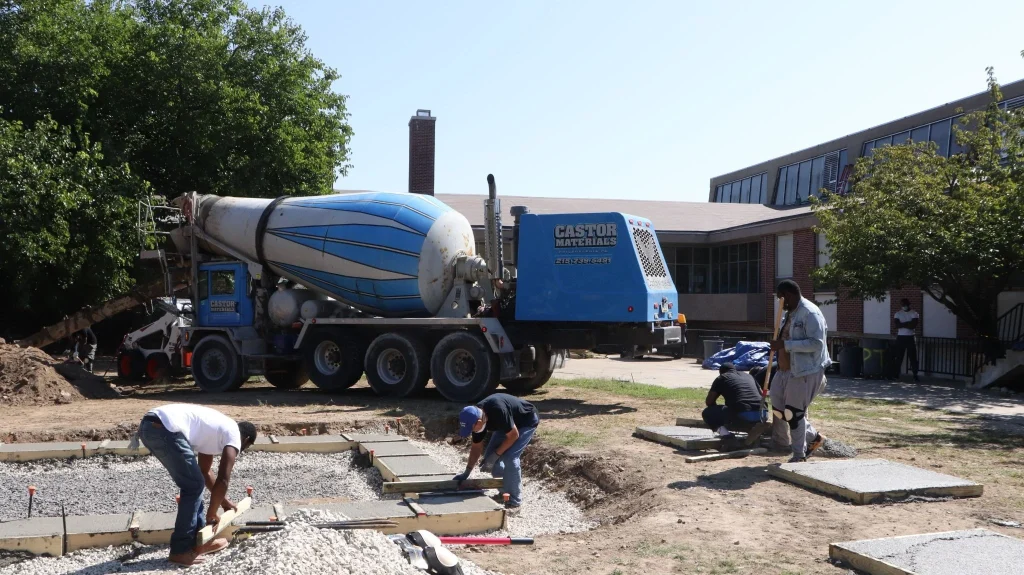
For someone who enjoys figuring out why something isn’t working and finding a solution, automotive technology can provide a practical way to turn that interest into a career.
Heating and cooling systems are part of everyday life, but keeping those systems working properly requires trained professionals.
HVAC technicians work with heating, cooling, refrigeration, ventilation, electrical components, and other systems. Students interested in this field can benefit from both classroom instruction and hands-on experience.
PTTI’s HVAC program covers areas such as heating systems, cooling and refrigeration, electrical fundamentals, ventilation, and indoor air quality. The program also prepares students for the EPA 608 certification examination.
For anyone considering HVAC as one of their skilled trade careers, It is important to research the training requirements and understand what the work involves before enrolling.
When people hear the term trade school, they often immediately think about construction. But vocational training in Philadelphia can prepare students for careers across several industries. Programs can cover automotive technology, welding, HVAC, manufacturing, healthcare services, construction, and other technical areas.
This gives students room to explore.
You may know that you want a career that involves practical work without knowing exactly which trade is right for you. Starting with your interests can help narrow down the choices.
Do you enjoy fixing things? Are you comfortable working with technology? Do you like building things? Are you interested in vehicles? Do you prefer working with mechanical systems?
Your answers can help point you toward a career that feels right.
Interest in the skilled trades is also growing alongside workforce development efforts in Philadelphia. The city has programs and resources designed to help residents gain professional skills, explore career opportunities, and connect with training and apprenticeship pathways.
For young people looking into trade schools in Philadelphia, it is worth researching both school based programs and other workforce opportunities. Apprenticeships, certifications, financial assistance, and employer connections can all play a role in building a career.
The more information students have before making a decision, the better prepared they will be to choose a path that works for them.
Choosing a trade school in Philadelphia should involve more than looking at the program price or how quickly you can graduate.
Start by looking at the curriculum. Find out what skills you will learn and how much practical training is included. Ask whether the program prepares students for relevant certifications and what equipment or materials you will need.
It is also important to understand the financial commitment. Ask about tuition, fees, financial aid, payment options, and any additional expenses.
Career support is another factor worth considering. Find out whether the school offers résumé assistance, interview preparation, career guidance, or connections with employers.
Most importantly, research the career itself. Understanding the actual work, qualifications, workplace environment, and potential career progression can help you decide whether a program is truly right for you.
There is still an outdated belief that college is the ambitious choice and trade school is a backup plan.
Skilled trades tell a different story.
A professional welder needs precision and technical knowledge. An HVAC technician needs to understand mechanical and electrical systems. An automotive technician needs strong diagnostic skills. A pipefitter needs to understand measurements, plans, materials, and safety.
These careers require real expertise.
With experience, workers may also have opportunities to specialize, take on leadership responsibilities, continue their education, or build their own businesses.
For some people, a skilled trade is not simply a way to get a job. It is the foundation for a long term career.
There is no single definition of success. For one student, a four year college degree may be the right choice. For another, technical education and hands-on training may make much more sense.
For Black youth in Philadelphia who are thinking about their future, exploring vocational education can introduce career options they may not have considered before. A trade school in Philadelphia can give students the opportunity to develop practical skills, gain confidence, and work toward a career in an industry that interests them.
Trade school is not a shortcut, and it is not a guarantee of success. Like any career path, it requires effort, commitment, and a willingness to keep learning.
But sometimes, a different path is exactly what someone needs.
The future does not have to look the same for everyone. For some young people, it may begin with a college classroom. For others, it may begin with a workshop, a training lab, a set of tools, and a skill they can build on.
Sometimes, choosing a skill is the first step toward building a career you can be proud of.
Choosing what to do after high school can feel overwhelming, especially when there is pressure to follow the traditional college route. For some students, a trade school in Philadelphia may be a better fit because it offers practical training focused on specific career skills. The right choice depends on your interests, financial situation, learning style, and career goals. Taking time to research programs, costs, certifications, and career opportunities can help you choose a path that feels right for your future.
A trade school offers focused training that helps students develop practical skills for specific careers and skilled occupations.
Students can explore fields such as welding, automotive technology, HVAC, plumbing, construction, manufacturing, and other technical careers.
It can be, but costs vary. Students should compare tuition, financial aid, program length, and additional expenses before enrolling.
Many programs combine classroom lessons with practical training, allowing students to practice skills and become familiar with workplace environments.
Yes. Trade school can provide useful technical skills and career preparation, while experience and continued learning can support long term growth.
Read more