
A union apprenticeship is one of the most reliable ways to build a long, well-paid career in the skilled trades, but getting accepted is competitive. Many applicants apply to the same local each cycle, and the strongest candidates almost always share one thing in common: they prepared before they applied. That preparation is where a focused trade school makes a measurable difference.
This guide explains how to move from classroom and lab training into an apprenticeship, and, more importantly, how to become the kind of applicant a program actually wants to accept. You will learn what apprenticeship committees evaluate, which skills and certifications strengthen your file, how a pre-apprenticeship program closes the gap, and what the application process looks like in the Philadelphia region.
Whether you are a high school graduate, a career changer, a veteran, or an adult learner weighing your next step, the path is clearer than most people think. The goal is not simply to apply; it is to apply ready. By the end, you will understand the practical steps that turn a hopeful applicant into a competitive one and where training in Philadelphia fits into that plan.

A union apprenticeship is a structured,in skilled trades, paid training program that combines on-the-job learning with classroom instruction, allowing you to earn wages while you master a trade. apprenticeship application is discussed with career service managers of the institutes . Most run several years, follow a defined wage progression, and end with a nationally recognized journeyworker credential. You get paid from day one and advance as your skills grow.
The model is often described as “earn while you learn,” and that phrase is accurate. According to the U.S. Department of Labor’s apprenticeship.gov, registered apprenticeships pair paid work under experienced mentors with related technical instruction, and apprentices receive raises as they hit documented skill milestones. Trades that commonly use this model include welding, pipefitting, steamfitting, sprinkler fitting, electrical work, and ironwork.
The trade-off is that acceptance is competitive. A union local invests heavily in every apprentice it takes on, so it screens for people likely to finish and perform. That is exactly why your preparation before applying carries so much weight, and why so many successful apprentices start with real training first.
Yes. Attending a trade school before applying to a union apprenticeship gives you hands-on hours, safety training, and demonstrated commitment, all of which make your application stronger However. apprenticeship application totally depends on your academics as well. You walk in already able to handle tools, read basic prints, and work safely, instead of learning those basics on someone else’s clock.
Think about it from the committee’s perspective. Two applicants want the same spot. One has never held a grinder; the other has spent months in a lab welding in multiple positions, following safety protocols, and showing up on time every day. A completed Philadelphia trade school program is tangible proof that you can do the work and stick with a demanding schedule.
Trade school also helps you choose the right trade before you commit years to it. Spending time in a welding booth or on a pipefitting bench quickly tells you whether the work fits you. That clarity is valuable, because apprenticeship committees can tell the difference between someone chasing a paycheck and someone who genuinely wants the craft.
Programs like PTTI’s Welding Technology training are built around the practical, employer-facing skills that carry directly into an apprenticeship interview and a first job site.
Becoming a stronger applicant in Philadelphia trade school is about stacking advantages that a committee can see and verify. Below are the factors that consistently separate accepted applicants from the rest, and how to build each one before you apply.
Apprenticeship programs in skilled trades, want people who already understand a shop environment. Time spent in a hands-on lab, running real equipment and completing real projects, shows you can translate instruction into work. This is the single clearest way trade school strengthens an apprenticeship application, because it replaces “I think I’d be good at this” with a documented record of doing it.
Safety is non-negotiable on every job site, and committees know it. Completing OSHA safety training and trade-specific coursework tells a program you will not be a liability on day one. Certifications also demonstrate that you can study, test, and meet a standard, which is exactly what the related-instruction side of an apprenticeship demands.
Many apprenticeship programs use an aptitude assessment that covers basic algebra, measurement, and mechanical reasoning. These are learnable skills. A good skilled trades training program reinforces the practical math you will actually use, from reading a tape measure to calculating offsets, so the aptitude test becomes a formality rather than a hurdle.
Attendance and reliability are evaluated more heavily than most applicants expect in Philadelphia trade school . A strong apprenticeship application along with attendance record from a training program is concrete evidence that you will show up to a 6 a.m. call time. Committees often weigh dependability as heavily as technical skill, because they can teach craft but cannot teach someone to care.
Many locals interview applicants enrolling in skilled trades, and score them on communication, motivation, and understanding of the trade. Be ready to explain why you chose this specific trade, what you already know, and how you have prepared. Training that includes resume help and interview practice gives you a real edge here.
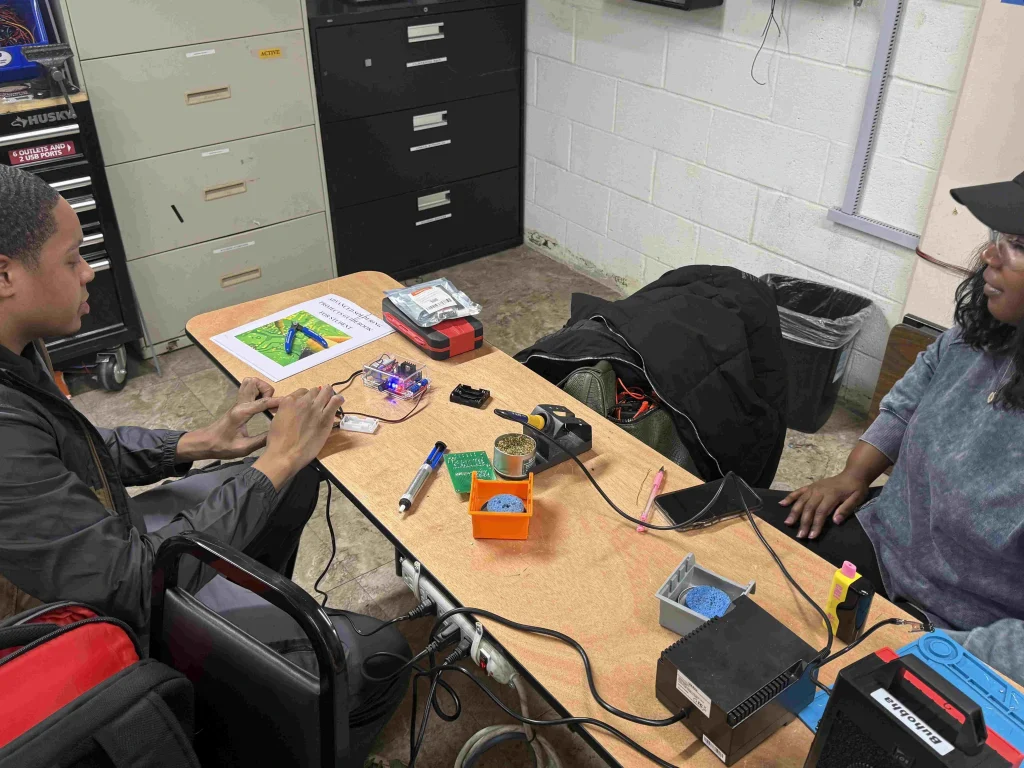
Union apprenticeship programs apprenticeship application followed by applicants who are reliable, safety-minded, physically able to do the work, competent in basic math, and genuinely committed to the trade. Technical talent helps, but committees prioritize people likely to complete the full program and perform well on the job.
Here is how the common selection factors tend to break down:
| Factor | Why It Matters | How to Strengthen It |
| Aptitude test score | Confirms math and reasoning readiness | Practice measurement, algebra, mechanical reasoning |
| Hands-on experience | Shows you can do real work | Complete a hands-on trade school program |
| Safety awareness | Protects crews and projects | Earn OSHA and safety certifications |
| Attendance record | Predicts job-site reliability | Maintain strong attendance in training |
| Interview performance | Reveals motivation and fit | Prepare answers; practice professional communication |
| Physical readiness | The work is demanding | Build stamina and comfort with tools |
Notice how many of these are built, not born. That is the core message: you can deliberately become a more competitive candidate, and structured training is the most efficient way to do it.
A pre-apprenticeship program in Philadelphia trade school is short-term training designed to prepare people for the demands of a registered apprenticeship. It builds foundational skills, safety knowledge, and trade familiarity so you enter an apprenticeship ready to contribute, and ready to compete for a spot.
Pre-apprenticeship style training matters because it directly addresses the gaps committees screen for. According to the U.S. Department of Labor, quality pre-apprenticeship programs are explicitly meant to help participants qualify for and succeed in registered apprenticeships. In practice, that means tool skills, OSHA awareness, blueprint basics, and the professional habits that carry over to any trade.
For someone in the Philadelphia area, this pathway is especially practical. You can complete focused skilled trades training in months, build a record you can point to, and then apply to a local apprenticeship with real preparation behind you. The alternative, applying cold and hoping to learn on the job, is far less reliable in a competitive cycle.
This is also why stacking trades can pay off. PTTI’s Steam, Sprinkler, and Pipe Fitting program overlaps with welding skill sets, and candidates who bring more than one capability often look stronger to both employers and apprenticeship committees.
Several skilled trades in the Philadelphia region offer well-established apprenticeship pathways, including welding, pipefitting, steamfitting, sprinkler fitting, and related mechanical trades. These fields support the city’s construction, infrastructure, and manufacturing activity, which keeps demand steady across Pennsylvania, New Jersey, and Delaware.
Welding is a strong entry point because the skill transfers across industries, from structural steel to shipbuilding to fabrication. Pipefitting and steamfitting are closely tied to commercial construction and mechanical systems, and they frequently feed union pathways. Because these trades overlap, training in one often opens doors in another, which is useful when you are applying to more than one local.
The regional reach matters too. Apprenticeship and job opportunities in Philadelphia trade school extend well beyond center city into communities across the area, from North and South Philadelphia to Camden, Pennsauken, Cherry Hill, Drexel Hill, Lansdowne, and Darby. Training centrally in Philadelphia positions you to pursue openings in whichever direction the best opportunity appears.
A union apprenticeship in Philadelphia trade school offers structured training, steady raises, strong benefits, and a recognized credential, while going straight to a non-union job may offer faster entry but less formal advancement. Both can lead to good careers; the apprenticeship route typically offers more long-term stability and a clearer wage ladder.
| Factor | Union Apprenticeship | Straight to Non-Union Work |
| Entry speed | Competitive, scheduled intake | Often faster to start |
| Training structure | Formal, paid, mentored | Varies by employer |
| Wage progression | Defined raises by milestone | Negotiated individually |
| Credential | Recognized journeyworker status | Depends on employer |
| Benefits | Typically strong (health, pension) | Varies widely |
The point is not that one path is universally better. It is that the apprenticeship route rewards preparation, and preparation is something you control. If the structured route appeals to you, the smartest move is to build your qualifications first.
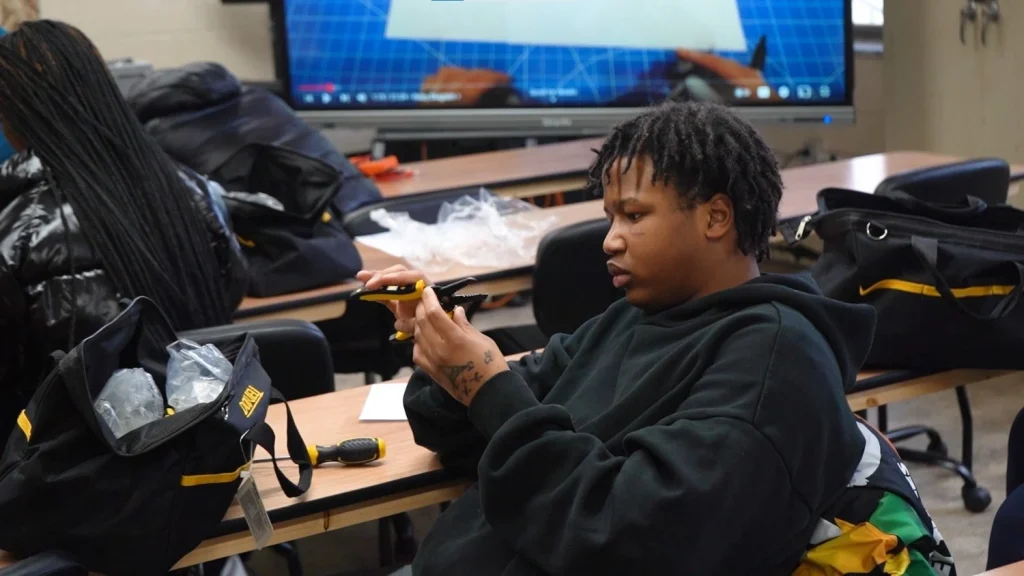
The move from training to a union apprenticeship is less about luck and more about preparation. Committees accept people who show up ready: competent with tools, serious about safety, reliable in attendance, and clear about why they chose the trade. Every one of those qualities can be built before you apply, and that is the real opportunity in front of you.If you are in the Philadelphia region and ready to compete for a strong apprenticeship spot, start by building the skills and record that committees reward. Explore PTTI’s hands-on programs and talk with admissions about the training that fits your goals and your timeline.
Apply to the apprenticeship program (often called a local) for your chosen trade, meet the minimum requirements, and complete any aptitude test and interview. Applicants who arrive with hands-on training, safety certifications, and a strong attendance record are consistently more competitive than those who apply with no preparation.
No, it is not always required, but it helps significantly. Trade school gives you tool experience, safety training, and a documented record of reliability, all of which strengthen your application and help you perform once accepted. Many successful apprentices train first to stand out in a competitive field.
A pre-apprenticeship program is short-term training that prepares you for a registered apprenticeship by building foundational skills, safety awareness, and trade familiarity. The U.S. Department of Labor recognizes quality pre-apprenticeship training as a pathway that helps candidates qualify for and succeed in registered apprenticeships.
Most apprenticeships run several years, depending on the trade, combining paid on-the-job work with classroom instruction. You earn wages the entire time and receive raises as you complete skill milestones, finishing with a recognized journeyworker credential.
Committees look for reliability, safety awareness, basic math and reasoning ability, physical readiness, genuine interest in the trade, and strong communication. Hands-on experience and certifications help, but dependability and commitment often carry the most weight because committees want apprentices who will finish.