
HVAC, widely termed heating, ventilation, and air conditioning. HVAC technicians make good money fixing AC units. Maybe you’re tired of jobs that lead nowhere. Or maybe you just want something real, something with your hands, something that actually pays.
If any of that sounds familiar, you might be ready for an HVAC training program in Philadelphia. But how do you know for sure? Let’s break down five signs that say it’s time to stop thinking about it and start doing it.
There’s a difference between getting a job and having a good career- somewhere to pay bills and building an actual HVAC career. If you’re stuck in retail or food service with no real path forward, that’s a sign.
HVAC technicians repair, install, and maintain heating and cooling systems. Every building needs one. Every season keeps them busy. That means steady demand, and steady demand means job security you can count on. Along with job security, you also get good financial stability.
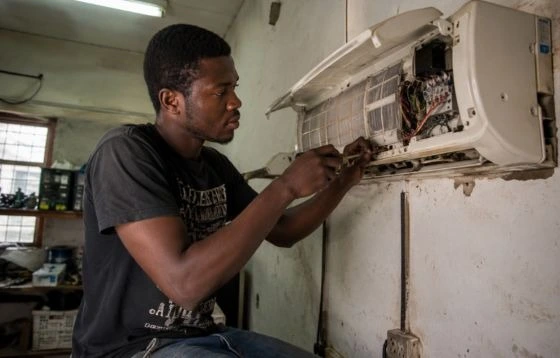
You don’t need a four-year degree to get started either. Most programs take under a year, and you walk out with skills employers actually want.
College isn’t wrong for everyone. But it’s not right for everyone either. If the idea of years of student loans for a degree you might not even use makes your stomach turn, you’re not alone.
HVAC technician training gets you working faster, usually in under a year. You can complete your training program within 6-8 months. You’ll earn certifications and gain financial stability quickly. That’s all under the guidance of experienced professionals. Financial aid is often available too, so the cost doesn’t have to stop you before you even start. Instead of debt with no guarantee, you get hands-on skills that lead straight to a paycheck.
Some people do not prefer desk jobs. They don’t like to be on screen; they prefer to have a problem-solving attitude. Especially work with your hands. If you’d rather troubleshoot a system, use tools, and see real results from your work, HVAC might be exactly the fit you’re looking for.
HVAC Training programs in Philadelphia teach you to work with hand tools, power tools, and precision instruments like multimeters and manometers. You’ll learn how systems actually function, not just theory from a textbook. By the end, you can look at a broken unit and know exactly what’s wrong and how to fix it.
That kind of hands-on problem-solving isn’t for everyone. But if it sounds like you, that’s a strong sign.
Not every training program gives you something to show for your time. A solid one does. Look for programs that build toward real, recognized credentials, not just a certificate of attendance.
For example, a strong HVAC certification path should include your EPA Section 608 certification, which is required by law to handle refrigerants. It should also fold in OSHA 30 certification training, so you understand workplace safety inside and out before you ever step onto a job site.
These aren’t just extra letters after your name. Employers look for them specifically. Having them means you’re job-ready from day one, not someone who still needs months of catching up.
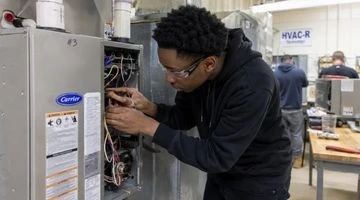
Here’s the honest truth: a lot of people think about switching careers for years and never actually do it. But starting a career very late is also quick. If you’ve caught yourself saying “I’ll look into it eventually,” that eventually needs to become now.
The good news is that an HVAC training program doesn’t ask for years of your life before you see results. Programs are built to move fast, covering everything from safety and tools to real service calls and customer interactions. You’re not sitting in a classroom forever. You’re building toward an externship and a diploma that gets you hired. In this program, OSHA 30 Certification is also completed.
If you’re mentally ready, then you must enroll in the PTTI HVAC certification program. Don’t let “someday” turn into another year gone by.
Additionally, what actually happens once you enroll? A good program walks you through the full picture, not just the basics. You’ll start with the fundamentals: HVACR career pathways, safety practices, and the tools of the trade. From there, you’ll move into refrigeration systems, electrical components, air conditioning units, heating systems, and even commercial refrigeration. Along the way, you’ll also build professional skills like customer service, preparing estimates, and troubleshooting issues efficiently.
By graduation, you’re not just book-smart. You’ll also learn how to work as a problem solver. Dealing with equipment and machines. That experience will make you smarter and more skill-oriented.
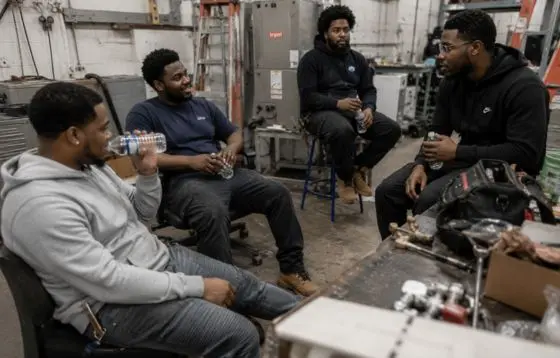
Why Philadelphia Is a Smart Place to Start
Philadelphia has a growing demand for skilled trades workers, and HVAC is no exception. Homes and businesses across the city need heating and cooling systems maintained year-round. That means openings for trained technicians aren’t slowing down anytime soon.
According to the U.S. Bureau of Labor Statistics, employment for HVAC technicians is projected to continue growing, with steady demand nationwide. Starting your training here puts you close to real opportunities, not far from them.
If you feel these criteria suit your career outlook, enroll in a heating, ventilation, and air conditioning program and build the best HVAC career that’s worth paying attention to. An HVAC training program in Philadelphia isn’t just another class. It’s a real shot at a stable, hands-on career without years of debt standing in your way. HVAC technicians are in high demand; it’s not just a saying, but according to a report from the Bureau of Labor Statistics. 40,001 new job openings are estimated in upcoming years. So you can imagine how your HVAC career will look in the coming years.
You don’t need to have it all figured out today. You just need to take the first step. The PTTI Career Services department will guide you in taking the right step, from admission to placement. Along with practical training. So if you are looking to skyrocket your career, grab the enrollment now. Because WInter is coming by the time you read this. This HVAC Career is in demand all over the USA. Definitely good for you, especially if you are looking for quick financial stability.
The PTTI certification program takes around 6-8 months. HVAC training programs take under a year to complete, depending on the school and schedule.
Eventually, Most programs require a high school diploma or GED, though requirements can vary by school.
Yes, quality programs include certifications like EPA Section 608 and OSHA 30 as part of the curriculum.
Moreover, Many schools offer financial aid options for students who qualify, making training more accessible.
Graduates often work as HVAC technicians, installers, or service repair specialists for residential and commercial systems.
Read More: