
In a skilled trade program, more than theoretical knowledge, technical procedures also matter. Students also need to understand workplace safety, follow established procedures, and develop habits that support responsible work. Technical institutions also provide OSHA certification training. This certification ensures students and professionals understand workplace safety hazards.
That is why safety culture deserves attention when students compare technical schools in Philadelphia. A strong training environment should teach students how to perform tasks correctly while also emphasizing safe work practices. Students need to understand not only what to do, but also why safety procedures matter.
For Philadelphia students preparing for technical careers, this combination can create a stronger foundation for entering the workforce.
Safety culture also refers to the shared attitudes, behaviors, and practices that make safety part of everyday work. This are also considered soft skills, and they matter a lot.It goes beyond wearing protective equipment. Students should learn to identify hazards, follow instructions, maintain equipment, organize work areas, and communicate potential problems.
For example, a welding student needs more than welding techniques. The student also needs to understand appropriate protective equipment, ventilation, equipment handling, and safe work procedures. Similarly, HVAC students work with equipment and systems that require careful handling. Therefore, safety should become part of every practical lesson rather than a topic students discuss only once.
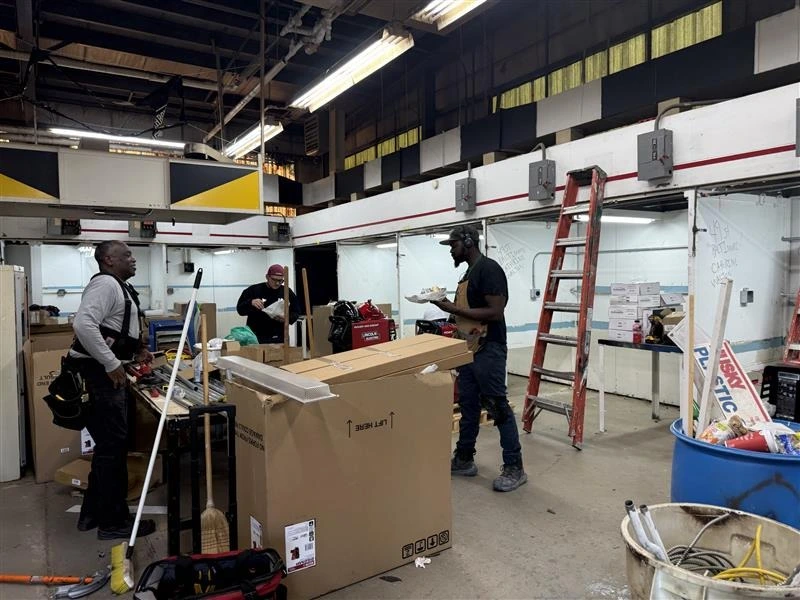
Compliance means following applicable rules, standards, procedures, and workplace requirements. As all these compliance requirements differ, different trades have different safety and regulatory expectations.
Workers may need to follow employer policies, industry standards, equipment instructions, and applicable federal, state, or local requirements.
Students do not need to memorize every regulation before entering the workforce. However, they should develop the habit of following established procedures and asking questions when they are unsure. This mindset can help students approach technical work responsibly.
Instructors and mentors in trades must ensure students understand safety procedures each. Explain potential hazards, demonstrate correct procedures, and identify the protective equipment required for each. Students can then apply those instructions during practical exercises. This sequence creates a simple learning process:
Understand → Observe → Practice → Review → Improve, as a skilled trade is all about understanding the pattern it ought to be.
Students learn what the task involves before attempting it. They can then practice under supervision and correct mistakes before developing poor habits.
Hands-on education gives students valuable practical experience.
However, practical training should also teach students how to work safely. For example, a student may learn how to operate a machine. Training should also cover equipment checks, protective measures, operating procedures, and appropriate responses to problems. This approach helps students connect technical knowledge with workplace responsibility.
Skilled trades training becomes more meaningful when students understand both performance and safety. They learn that completing a task quickly does not matter if they ignore the correct procedure.
Welding clearly shows why safety belongs in technical education.
Students work with heat, sparks, equipment, gases, and other potential hazards. Therefore, training should emphasize appropriate protective equipment, safe equipment operation, proper workspace practices, and awareness of surrounding workers. Students also need to learn how to prepare their work area before beginning a task.
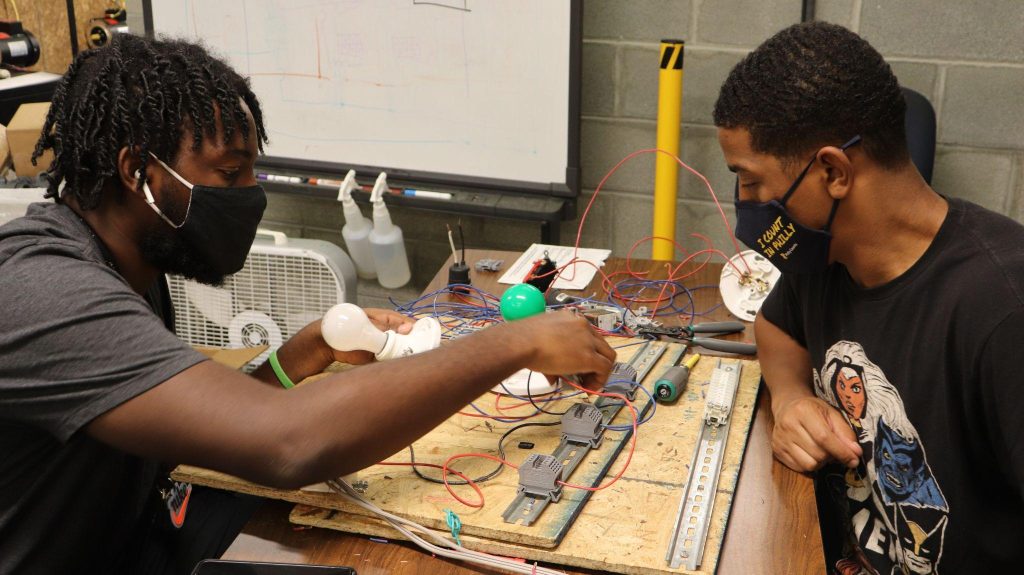
Modern automotive technicians work with much more than traditional mechanical systems. Vehicles can contain sophisticated electronics, electrical systems, diagnostic equipment, and other technologies. Students need to understand safe procedures when working around vehicles and equipment.
A strong training environment can help students develop habits around equipment handling, workspace organization, protective measures, and proper diagnostic procedures. Technical knowledge and safety awareness should develop together.
Instructor guidance plays an important role during practical training. Students may understand a procedure theoretically but struggle when performing it for the first time. An instructor can demonstrate the correct technique and identify mistakes.
This immediate feedback can help students correct problems before they become habits. Supervision also gives students an opportunity to ask questions about equipment, procedures, and safety. For beginners, that support can make hands-on learning more structured.
Philadelphia Technician Training Institute provides career-focused programs in several technical fields. Its programs include welding, HVAC, automotive technology, electrical technology, plumbing, pipefitting and steam systems, construction, concrete masonry, drywall and framing, sterile processing, and manufacturing and automation. The training approach combines technical instruction with practical learning.
This matters because students need opportunities to apply concepts, not just read about them. In a practical environment, students can develop familiarity with equipment and procedures while receiving guidance from instructors. Safety can become part of that learning process.
Students can learn to prepare their workspace, follow instructions, handle equipment responsibly, and recognize when they need additional guidance.
Employers prefer professionals or students who know all safety procedures. If safety procedures are well understood, trust between the student and supervisor/manager becomes stronger. A student who keeps equipment organized, follows procedures, reports problems, and considers coworkers’ safety demonstrates professional behavior. These qualities complement technical abilities.
A technically skilled worker who ignores workplace procedures can create unnecessary risks. Therefore, wear a safety kit and work safely in hazardous areas. Therefore, safety belongs within professional development.
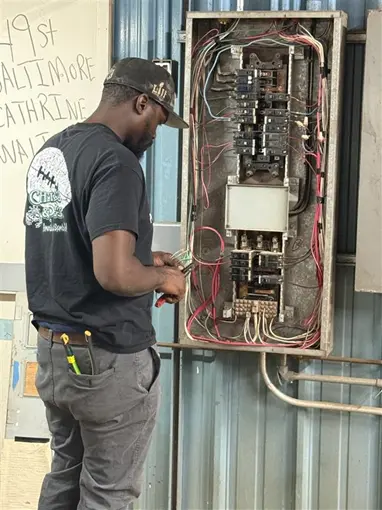
Students should not wait until their first employer introduces workplace expectations. A trade school in Philadelphia can provide an environment where students begin developing those habits during training. Treat every practical session as preparation for professional work.
In the work lab, Students are required to wear protective helmets and other required protective equipment. Listen to instructions. Ask questions. Keep your workspace organized. Report problems. Accept corrections. Review what you learned.
These habits can help students transition from training into employment with a stronger understanding of workplace expectations.
Technical careers continue to evolve. Students increasingly encounter computerized equipment, digital diagnostic systems, automation, robotics, sensors, and other technologies. Modern technical training programs can therefore introduce students to both traditional trade skills and newer technologies.
However, technology does not remove the need for safety. Technology is different from safety; technology can never overpower safety. However, safety is required in skilled trades, whether you use modern equipment or simple tools or machines. In some situations, it makes proper training even more important. Students must understand how equipment works, follow operating instructions, recognize potential hazards, and respond appropriately when systems behave unexpectedly.
Before choosing a program, schedule a conversation with the school.
Ask about the training environment and safety practices.
You might ask:
The answers can help you compare programs based on your own priorities.
Technical skills may change as workers move into new positions.
Equipment may vary as you work with different clients or employers; technology can change, and job locations can change too. But safety procedures remain evergreen forever. If you know the safety requirements, they are similar and followed at every shop and business. A technician who consistently evaluates risks, follows procedures, communicates concerns, and respects equipment can carry those habits from one workplace to another.
Choosing between technical schools in Philadelphia involves more than comparing program names or training length. Students should also consider how schools prepare them for responsible workplace behavior. Meanwhile, hands-on education gives students opportunities to apply those lessons. For students interested in skilled trades, the goal should be clear: build technical skills while developing the habits needed to use them responsibly.
A strong foundation combines knowledge, hands-on practice, safety awareness, compliance, communication, and professionalism. That foundation can help Philadelphia students approach their future technical careers with greater preparation and confidence.
Frequently Asked Questions
Safety matters as the technician deals with real equipment; therefore , training helps students recognize hazards, follow procedures, use equipment responsibly, and protect themselves and others.
Compliance training teaches students to follow applicable rules, procedures, standards, and workplace requirements.
Hands-on programs can integrate safety procedures into practical activities so students learn safe work habits while developing technical skills.
Ask about practical training, instructor supervision, protective equipment, equipment procedures, and how instructors address unsafe practices.
A trade school in Philadelphia can provide focused technical education and hands-on experience for students preparing for skilled careers.
Read More :