
Women make up nearly half of the U.S. workforce, yet they hold only a small fraction of hands-on technical jobs, and that gap is exactly where the opportunity sits. The demand for skilled trades for women has never been clearer: employers are short on qualified workers, wages in the trades are competitive, and the pay gap that follows women through most office careers is far smaller on a job site. This guide gives an honest, practical picture rather than a recruitment pitch. It covers what the numbers actually show about women in the trades today, why more women are choosing this path, the real challenges worth planning for, and the specific trades that tend to be strong entry points. It also walks through how to get started, what to expect from a trade school for women exploring these fields, and where women in and around Philadelphia can begin. If you are weighing your options after high school, leaving another field, or returning to work, the reality behind trade careers for women is encouraging once you understand how these jobs actually work, as the growing number of women choosing skilled trades shows.
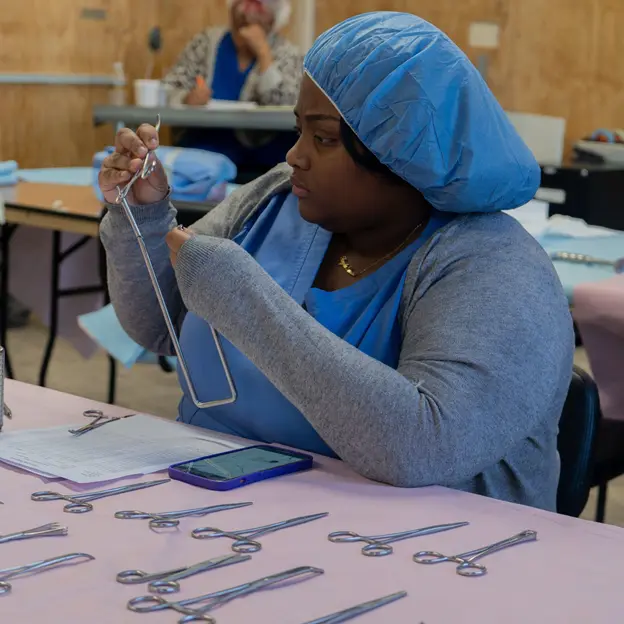
Women remain a small minority in most hands-on trades, but participation is at a record high and rising. According to the U.S. Bureau of Labor Statistics, women make up about 4% of construction craft roles and roughly 5.8% of welders, while their overall share of the broader construction industry, including office and management roles, has climbed above 11%.
Those figures tell two stories at once. The first is that skilled trades for women are still far from balanced, and anyone entering should expect to be one of few women on many job sites. The second, and more useful, story is momentum. The number of tradeswomen and women apprentices has grown over the past decade, and employers facing a serious labor shortage are more motivated than ever to widen their hiring.
Representation varies sharply by trade. Women in welding sit around 5 to 6% and have grown faster than most, partly because the work rewards skill over size. Electrical work and HVAC tend to fall in the 2 to 4% range, and plumbing is similar, while women in construction craft roles hold about 4%. The takeaway for someone exploring trade careers for women is not to be discouraged by small percentages but to recognize that demand is real and the door is open.
More women are choosing the trades because the math works. These careers offer competitive pay without the debt of a four-year degree, steady demand, and a wage structure that treats equal work more equally than most industries do. For many, that combination is more appealing than an office track with an uncertain payoff.
Pay equity is one of the strongest arguments. BLS data consistently shows the gender wage gap in construction and the trades is significantly smaller than in professional fields, and in unionized roles everyone at the same level earns the same negotiated rate regardless of gender. A journey-level worker earns the journey-level wage, full stop. That transparency is rare, and it matters for women who have watched pay gaps shadow other careers.
Demand is the second driver. An aging workforce is retiring, infrastructure needs rebuilding, and both manufacturing and the demand for women in construction continue to add technical roles. Employers cannot fill these jobs from the existing pipeline, which is part of why the case for women in welding breaking barriers and other technical fields keeps getting stronger. The work is also tangible and portable. A certification or a proven skill travels with you, and many tradeswomen value building something real over sitting at a desk.
It would be dishonest to pretend the path is frictionless. The most common challenge is simply being one of very few women on a site, which can mean proving yourself more often early on and finding fewer role models nearby. Ill-fitting personal protective equipment, limited facilities on some older sites, and occasional skepticism are real, though they are improving as more women enter and as employers adapt.
Physical demands are worth planning for honestly rather than fearing. Most trades rely on technique, leverage, and tools far more than raw strength, which is one reason women in welding and other precision-focused trades succeed regardless of size. Preparation, conditioning, and good instruction close most of the gap. The industry-wide push to address the gender gap in skilled trades has also produced more mentorship, women’s trade groups, and support networks for women in the trades than existed a decade ago.
None of these challenges is a reason to avoid the trades. They are reasons to choose a training program and an employer thoughtfully, to build a network early, and to go in with realistic expectations. Women who do tend to build durable, well-paid careers.
There is no single best trade, but some are especially practical entry points because they reward precision, have strong demand, and offer clear training paths. Below are the trade careers for women that tend to work well for beginners, several of which map directly to programs available locally.
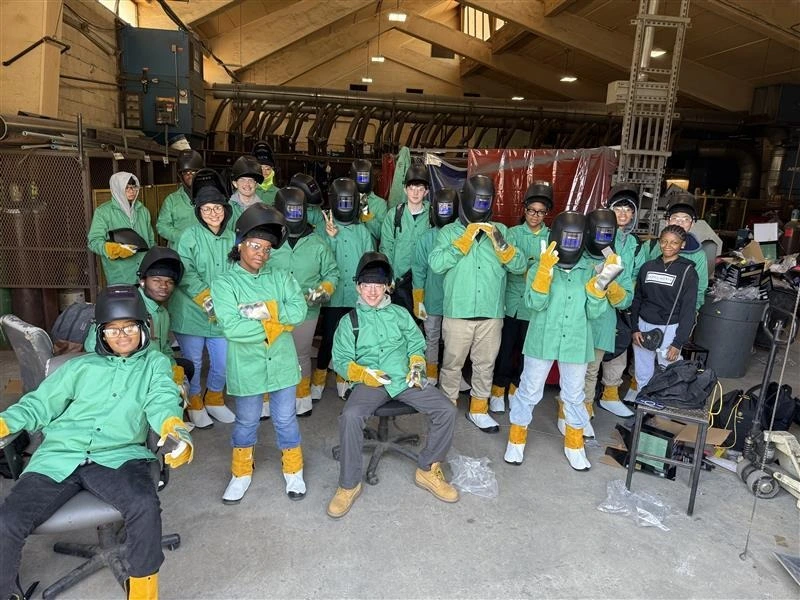
Welding is one of the most accessible trades for newcomers because it rewards steady hands, focus, and attention to detail rather than size. It also has some of the fastest-growing female participation of any trade. Welders work across shipbuilding, manufacturing, construction, and fabrication, and certified welders are in steady demand. The number of women in welding has climbed faster than in almost any other trade, and for many the combination of craft, problem-solving, and portability of skills makes it a natural fit. Structured welding technology training is the most direct way in.
Modern manufacturing is less about heavy lifting and more about running, monitoring, and troubleshooting automated systems. That shift has opened the field to a wider range of workers. Roles in automation combine mechanical, electrical, and computer skills, and the technical nature of the work levels the playing field. Exploring the scope for women in manufacturing technician roles shows how much room there is to grow in this area.
Pipefitting and mechanical trades pay well and remain in demand, particularly for commercial and industrial systems. These roles involve reading blueprints, fitting and joining systems, and often welding. Women entering this field benefit from knowing the realities up front, and resources on what women should know before a pipefitting apprenticeship help set expectations about both the work and the pathway.
Auto repair has become a high-tech, diagnostic-driven field where computer skills matter as much as wrenches. Electric and hybrid vehicles are expanding the work further. There is real and growing opportunity for women in automotive trades, especially for those comfortable with diagnostics and modern vehicle electronics.
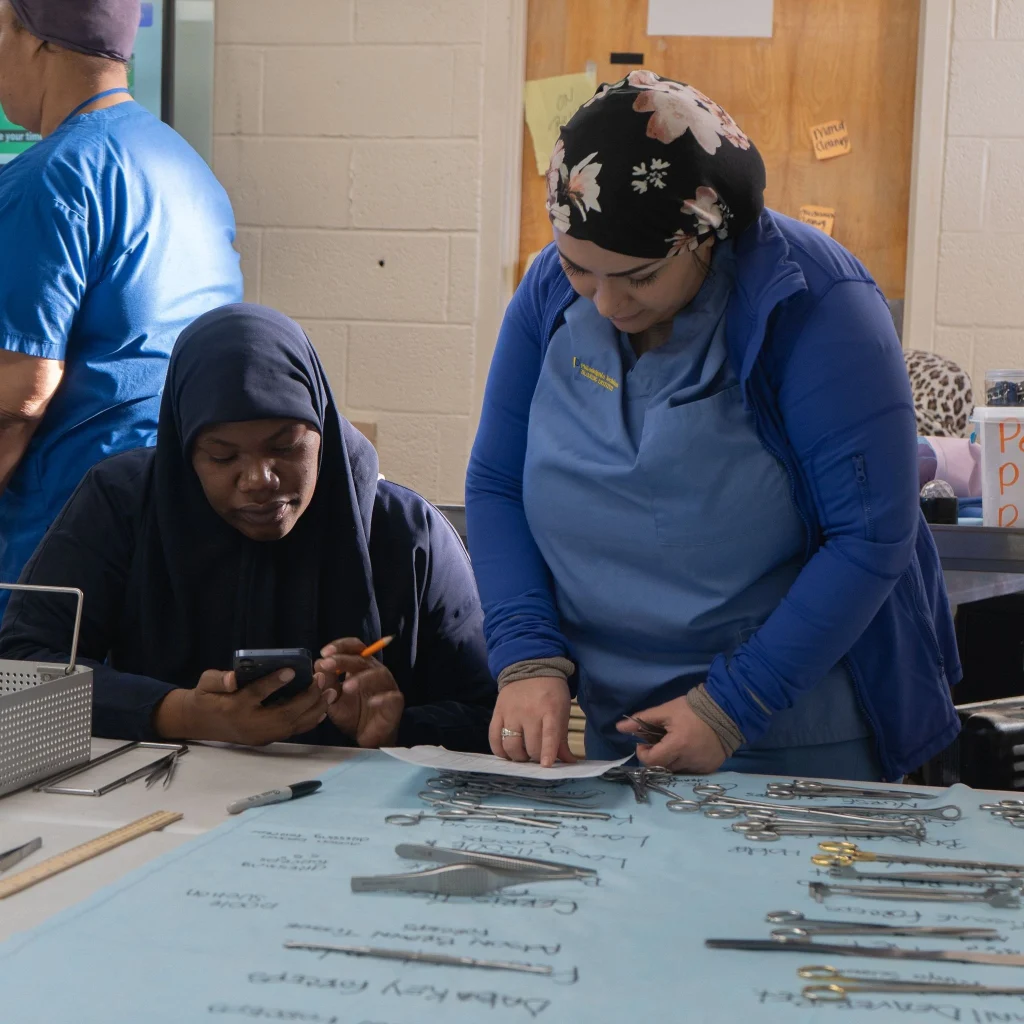
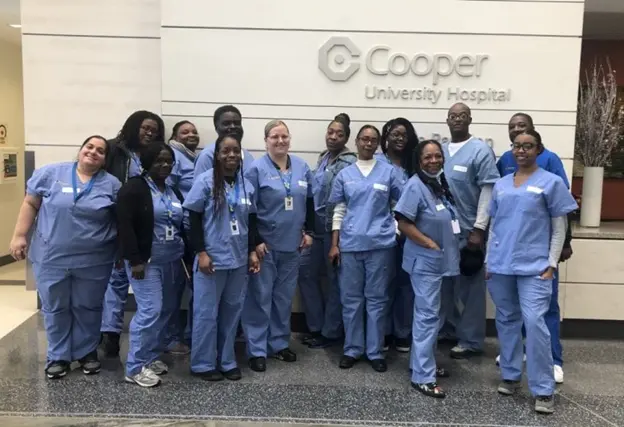
For women who want a hands-on technical role inside healthcare rather than on a construction site, sterile processing is an excellent option. The work is precise, in demand, and central to hospital operations. In fact, women already lead much of this field, and the story of how women are leading in sterile processing in Philadelphia reflects how welcoming and fast-growing this pathway has become.
Getting started usually means three steps: choose a trade that fits your interests and the local job market, complete hands-on training or a pre-apprenticeship to build core skills, then move into an entry-level job, apprenticeship, or certification test. Most people can reach job-ready status in months, not years.
Here is a practical sequence that works for most beginners:
This path is why so many women in the trades describe them as a faster, more affordable route than a traditional degree.
You can enter some trades directly through an apprenticeship, but most women find that completing training first makes the transition smoother and more competitive. A good trade school for women teaches safety, core processes, blueprint reading, and the hands-on skills employers expect, so you arrive ready rather than starting from zero.
A quality trade school for women does not mean a separate or lesser program; it means an environment with strong instruction, modern equipment, and support that helps every student succeed. That kind of trade school for women and men alike is where most successful trade careers for women actually begin, because you get real practice before you are on the clock, plus help with certifications, résumés, and connections to employers. For career changers in particular, a structured program that focuses on helping people restart in the trades can compress months of trial and error into focused learning.
Beyond the technical skills, the right training also builds the professional habits, safety discipline, and confidence that help women hold their own and advance on a job site. Ongoing education and training opportunities for women continue to expand as the field works to bring more women into skilled roles.
Philadelphia is a strong place to begin a trade career. The region combines active construction, a large healthcare sector, shipbuilding and manufacturing, and a deep union presence, which means multiple entry points for women exploring the trades. That demand is especially steady for women in construction and the mechanical trades, and opportunities extend well beyond the city into surrounding Pennsylvania communities and South Jersey, so training centrally keeps many options open.
The local culture around tradeswomen is also shifting. Stories like why Black women in the trades are becoming power players reflect a growing, visible community of women building careers across welding, pipefitting, manufacturing, healthcare support, and construction throughout the area. For women in construction and the mechanical trades specifically, the region’s ongoing infrastructure and commercial work provides steady demand.
Choosing where to train matters. Look for programs with hands-on labs, industry-standard equipment, certification preparation, and real support moving into the workforce. Philadelphia Technician Training Institute (PTTI) offers hands-on training across welding, manufacturing and automation, automotive, pipefitting, construction trades, and sterile processing, giving women in the trades several practical ways to start close to home.
The reality of skilled trades for women is more encouraging than the headline statistics suggest. Representation is low but rising, demand is strong, the pay is competitive, and the wage gap that follows women through most careers largely disappears on a job site. For women in construction and the mechanical, manufacturing, and healthcare-support trades alike, the challenges are real but manageable with good training, a supportive program, and a network built early. Whether you are drawn to welding, manufacturing, pipefitting, automotive work, or sterile processing, trade careers for women offer a practical, affordable path in, and it starts with hands-on training rather than years of debt.
If you are ready to explore your options, connect with PTTI’s admissions team to talk through the programs, training timelines, and next steps that fit your goals.
Welding, manufacturing and automation, pipefitting, automotive technology, and sterile processing are all strong entry points. They reward skill and precision over size, have steady demand, and offer clear training paths. The best choice depends on your interests and the local job market.
The gender pay gap in the trades is far smaller than in most fields, and in unionized roles it is effectively zero because wages are set by negotiated scales tied to skill level, not gender. This pay transparency is one of the biggest draws of trade careers for women.
Yes. Welding rewards steady hands and attention to detail rather than brute strength, and it has some of the fastest-growing female participation of any trade. Women in welding work across manufacturing, construction, shipbuilding, and fabrication, and certified welders stay in demand.
Common challenges include being one of few women on site, occasional skepticism, and gear or facilities not originally designed for women. These are real but improving, and mentorship networks, women’s trade groups, and better-prepared employers make them easier to navigate.
A hands-on trade school for women in the Philadelphia area should offer real lab time, certification preparation, and job-readiness support. PTTI provides training across several trades and serves students throughout Philadelphia, surrounding Pennsylvania counties, and nearby New Jersey communities.