
Learning a skilled trade is a little different from learning in a traditional classroom. You can read about a process, watch a demonstration, and understand the theory. However, when it is time to actually use a tool or equipment, things can feel very different.
That is where extra guidance can help.
A student learning welding, automotive repair, manufacturing, or construction may understand the basic concepts but still need more practice to get comfortable with the actual work. Sometimes, all it takes is an instructor explaining something in a different way or showing the process one more time.
So, when looking at trade schools in Philly, don’t just ask what programs they offer. Also ask how they help students when a particular skill takes longer to understand.
For students considering technical training, the Philadelphia Technician Training Institute (PTTI) is one school worth exploring. Its programs focus strongly on hands-on learning and instructor-led training.
For more information contact PTTI
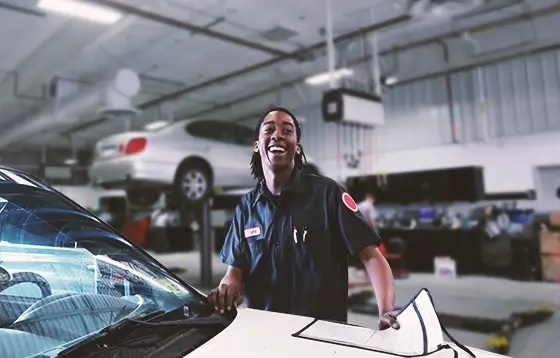
For one student, a practical skill might click after the first demonstration. Another student may need to try it several times before feeling comfortable. That’s normal, especially when you’re learning something completely new.
Take welding, for example. A student may understand the safety rules and know what the equipment does, but maintaining the right technique can take practice. Similarly, an automotive student might understand how a vehicle system works but still need guidance when diagnosing an actual problem.
This is why instructor support matters.
Instead of simply telling students what they did wrong, good hands-on training gives them a chance to understand the mistake, correct it, and try again.
That process can make learning much less frustrating.
PTTI’s approach is built around learning by doing.
According to PTTI, its programs use an 80% hands-on curriculum, giving students significant opportunities to work with practical skills instead of spending all their time listening to lectures.
The school also describes its training as instructor-led. That means students have instructors involved in demonstrations, practical activities, assessments, and evaluations.
For someone who learns better by actually doing something, this can be helpful.
Rather than trying to memorize everything first, students can connect what they learn in the classroom with the work they are expected to perform.
Of course, students who specifically want one-on-one tutoring should ask the school what additional academic or practical assistance is available in their particular program.
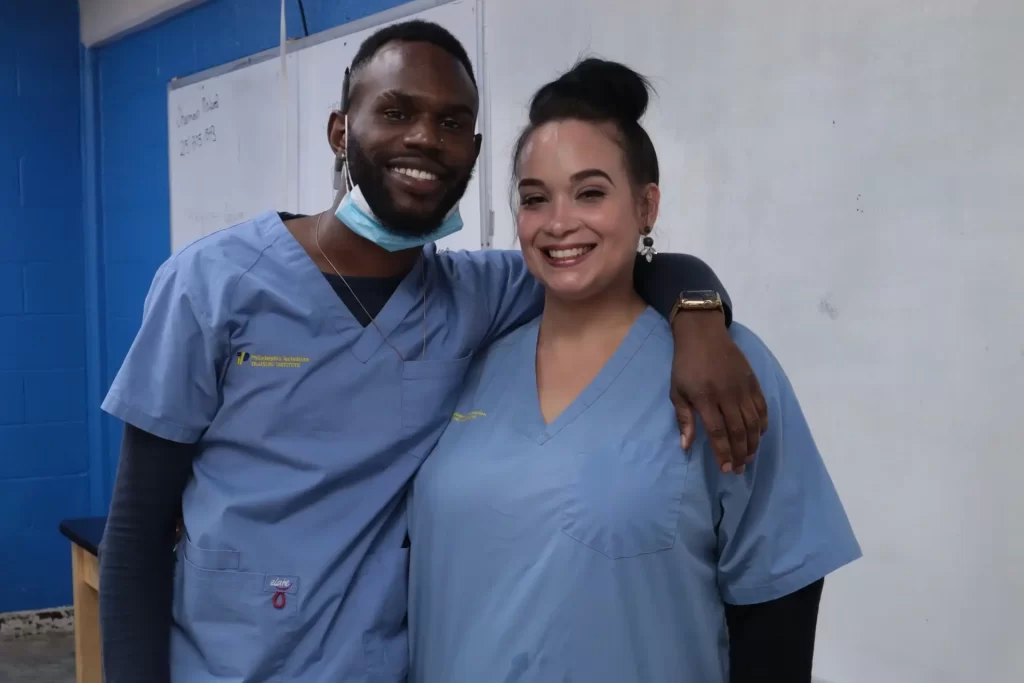
Extra help doesn’t always mean sitting with a tutor after class.
In a trade school, support can happen in several ways.
An instructor might demonstrate a technique again. A student might get feedback during a practical exercise. They may also have another opportunity to practice a skill before being evaluated.
For example, imagine you’re learning how to work with electrical systems. You understand the theory, but you’re unsure about completing a particular task correctly. Being able to ask your instructor a question and then practice the task with guidance can make a big difference.
The same idea applies across different trades.
At PTTI, instructors are involved in practical activities and student evaluations. This gives students opportunities to understand what they are doing well and where they still need to improve.
And honestly, making mistakes while you’re learning is part of the process.
The important thing is having someone there who can help you learn from them.
PTTI offers several technical programs where practical training plays an important role.
Welding Technology
Welding is a skill that takes more than simply understanding the theory. Students need to become comfortable with equipment, safety procedures, techniques, and the actual welding process.
PTTI’s Welding Technology program combines classroom instruction with practical training to help students develop these skills.
Manufacturing and Automation
Modern manufacturing involves much more than working with machines. Students may need to understand mechanical systems, electrical concepts, equipment, and automation.
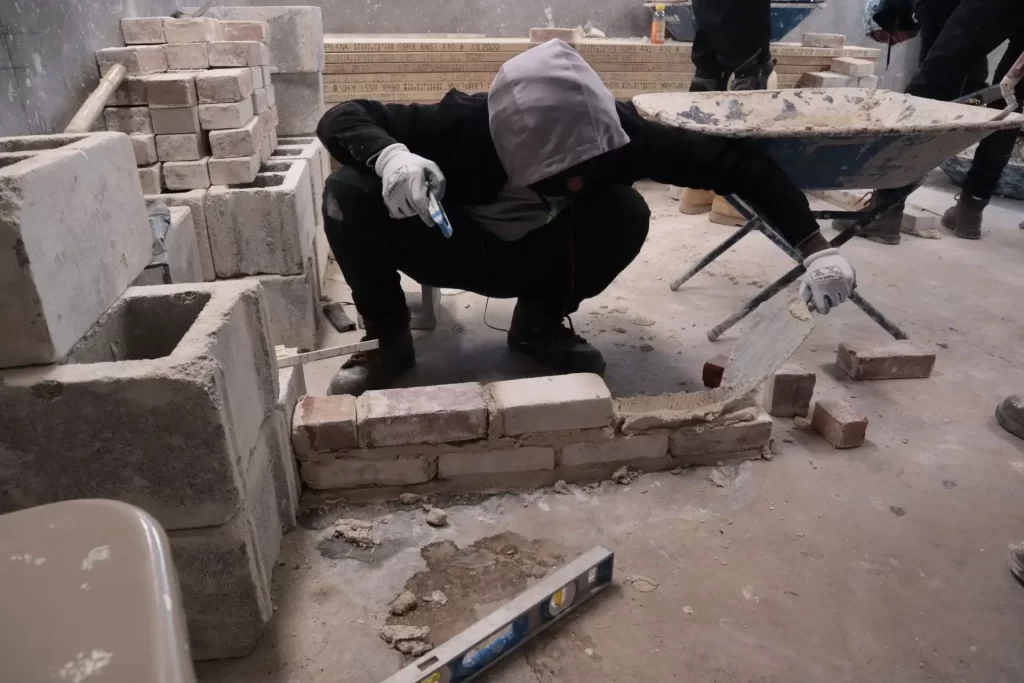
PTTI’s Manufacturing and Automation program combines these areas with hands-on learning, allowing students to put technical concepts into practice.
Automotive Repair
If you’ve always been interested in how vehicles work, automotive training gives you the chance to turn that interest into practical skills.
Students learn about vehicle systems, maintenance, repair, and troubleshooting while preparing for work in the automotive field.
Concrete, Masonry, and Framing
Construction skills are learned by doing.
PTTI’s construction-related training gives students exposure to areas such as concrete, masonry, and framing, helping them understand how these skills are used on actual job sites.
Steam, Sprinkler, and Pipe Fitting
Pipe fitting requires accuracy, patience, and plenty of practice.
Students interested in this field can learn technical concepts while developing practical skills related to pipe fitting, installation, and workplace safety.
Drywall, Framing, and Finishing
Working in construction also means knowing how different parts of a building come together.
Training in drywall, framing, and finishing can help students develop practical skills that can be used in residential and commercial construction settings.
Not every technical career involves construction or machinery.
PTTI also offers Sterile and Central Processing training for students interested in technical healthcare support roles, where following procedures carefully and paying attention to detail are especially important.
If you’re comparing trade schools in Philly, don’t be afraid to ask detailed questions.
The answers can tell you a lot about what student life and training will actually be like.
How much hands-on practice will I get?
More practice can mean more opportunities to build confidence with tools and equipment.
How do instructors give feedback?
Good feedback should help you understand not only what went wrong but also how to improve.
Ask how hands-on assessments work and what instructors expect students to demonstrate.
What happens if I struggle with an assessment?
It is useful to know whether students have opportunities to receive additional instruction or practice.
Being able to ask questions can make learning a new skill much easier, particularly at the beginning of a program.
Choosing a trade school isn’t only about finding a program that sounds interesting. You also want to know whether the way the school teaches matches the way you learn.
If you prefer learning by doing, an instructor-led environment can be especially useful. You get the opportunity to learn the basics, see how something is done, try it yourself, and then use feedback to improve.
PTTI also offers programs across several skilled-trade areas, including welding, manufacturing and automation, automotive repair, construction, pipe fitting, drywall and framing, and sterile processing.
For students who don’t want to spend their entire education sitting behind a desk, that practical focus can be an important factor to consider.
Starting a trade program can be a little overwhelming.
You may be using equipment you’ve never seen before. You may make mistakes. You may even wonder whether you’re learning fast enough.
But that’s exactly why practice and instructor support matter.
You aren’t expected to walk into your first class already knowing how to perform the job.
When you’re researching trade schools in Philly, don’t only compare program names, tuition, or completion times. Think about what happens when you don’t understand something.
PTTI’s focus on instructor-led and hands-on training makes it an option worth researching for students interested in skilled trades. Before enrolling, however, speak directly with the school about the specific support available in the program you’re considering.
Because ultimately, trade school isn’t just about finishing a course.
It’s about learning how to do the work and becoming confident enough to do it in the real world.
Yes. Instructors can explain a skill again, show you how it works, and give you time to practice.
It means learning by actually using tools, equipment, and techniques instead of only studying them in a classroom.
Yes. PTTI focuses heavily on practical training, with instructors guiding students through exercises and assessments.
You can ask your instructor for help. They can go over the steps with you and help you practice until you understand them better.
Look at the amount of hands-on practice, instructor support, program length, cost, and the type of skills you’ll learn.
Read More: