
Choosing between two strong trades comes down to one question. Who makes more money, welders or electricians? Both pay well. Both hire steadily. Both let you skip a four-year degree. Yet the numbers, the ceilings, and the paths differ in ways that matter.
This guide gives you an honest welder vs electrician salary comparison for 2026. We compare pay by level, overtime, specialization, job outlook, and long-term earning potential. We also ground the welder vs electrician salary picture in the Philadelphia market. There, both trades stay in high demand. By the end, you will know which welder or electrician career fits your goals.
On paper, electricians usually earn more than welders. The national median wage for electricians reached about $62,350 in May 2024, according to the U.S. Bureau of Labor Statistics. Welders sat closer to $48,000 to $50,000. So the median gap favors electricians by roughly $12,000 a year.
But a median is only a starting point. Both trades reward skill and certification. A top welder can out-earn an average electrician. Local demand also shifts the math. So a full welder vs electrician salary comparison matters more than one number. The real question of who makes more money welders or electricians depends on level, certification, and location. It is also why so many people ask who makes more money, welders or electricians, before they choose a path.
Electricians tend to earn more for clear reasons. Their licensing path is longer and more regulated. That scarcity supports higher wages. Demand is also surging from data centers, EV charging, and grid work. As a result, the electrician salary in Philadelphia trends above the national average. This is a big factor in the welder vs electrician salary debate.
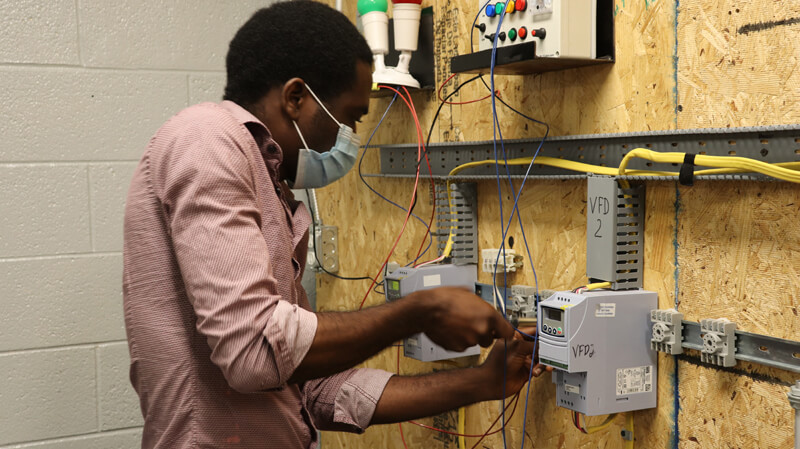
Welders have real advantages too. Training is often shorter, so you can start earning sooner and gain hands-on experience quickly. Specialized welders earn well above the median. Pipe, structural, and code welding all pay premiums because they require advanced skills and precision. In a shipbuilding and fabrication hub like Philadelphia, skilled welders stay busy throughout the year.
That steady work, combined with overtime opportunities and specialised projects, narrows the welder vs electrician salary gap quickly. It also makes the welder or electrician career choice much closer than the median salary figures alone suggest.
Here is the direct welder vs electrician salary comparison. Electricians hold a higher median wage nationally and in Pennsylvania. Welders earn strong pay too, especially with certifications. Both trades pay far more than many jobs that require a degree. Wages vary by employer, shift, and skill, so treat these as ranges.
Let me break the numbers down by scope. First the national picture, then the local market. Local pay matters most, because that is where you will work. It also decides how much do welders make in Philadelphia versus electricians nearby.
Nationally, the trades tell a clear story. Electricians earned a median near $62,350 in May 2024. The top 10% of electricians made more than $106,000. Welders earned a national median closer to $48,000 to $50,000. Top welders, however, can pass $70,000 with the right specialties. So on the national level, do electricians make more than welders? Usually, yes.
Philadelphia pays both trades competitively. The electrician salary in Philadelphia often runs above the national average. Reported averages sit around $62,000 to $74,000, with top earners well past $100,000. The welder salary in Philadelphia typically ranges from about $52,000 to $60,000. Certified and union welders often exceed $70,000. So how much do welders make in Philadelphia at the top end? Skilled, certified welders reach the $70,000-plus range. Union density and active infrastructure work support both trades across the region.
The table below sums up the welder vs electrician salary in Philadelphia at each stage.
| Metric | Welders (Philadelphia area) | Electricians (Philadelphia area) |
| Typical average pay | ~$52,000 – $60,000 | ~$62,000 – $74,000 |
| Entry-level | ~$40,000 – $52,000 | ~$40,000 – $50,000 |
| Experienced / certified | ~$65,000 – $80,000+ | ~$85,000 – $117,000+ |
| Main pay drivers | Certification, pipe/structural work, overtime | Licensing, data centers, industrial niches |
These figures reflect 2026 regional estimates from public wage sources. Your pay depends on skill, certification, and employer. To explore both fields, review PTTI’s welding technology program and its manufacturing, automation, and electrical program.

Both trades start at similar entry pay, but their ceilings differ. Welders and electricians in the Philadelphia area often begin near $40,000 to $52,000. From there, the electrician path can climb higher over time. Welders rise fast when they add specialized, certified skills. This is the heart of the welder vs electrician salary question, and of who makes more money, welders or electricians.
Career level shapes pay more than the trade itself. So let me show how earnings grow at each stage. This helps you plan a real welder or electrician career, not just a first paycheck.
Entry pay is close between the two trades. A new welder and a new electrical helper earn in a similar range. The difference shows up later. Welders can reach full productivity quickly after focused training. Electricians usually work through a longer apprenticeship first. For entry level welder vs electrician pay, welding often reaches a full wage sooner. Even so, the welder salary in Philadelphia climbs steadily with certification.
Experience changes everything. Here is the general progression for both trades:
The long-term ceiling is where electricians often pull ahead. Master electricians and industrial specialists can earn six figures. Data center work in particular pays very well right now. Welders reach high pay too, but usually through specialty niches. Pipe, aerospace, and underwater welding all lift welder pay sharply. So the answer to who makes more money, welders or electricians, depends on how far you specialize.
Overtime and specialization can matter more than base pay. Both trades offer strong overtime. Both reward niche skills with premium rates. This is where motivated workers boost income well beyond the median. It is also where a welder or electrician career becomes a six-figure path.
Base wages tell only part of the story. The extras often decide who takes home more. Let me explain how each trade lifts pay above the average. These premiums shape the real welder vs electrician salary outcome.
Welders raise income through certifications and specialty work. Employers pay more for verified skill. High-value welding niches include:
Certification is the key that unlocks this pay. Preparing for recognized weld tests is a core part of quality welding certifications and training. In Philadelphia, shipyard and fabrication work rewards these skills. It also lifts the welder salary in Philadelphia for specialists.
Electricians raise pay through licensing and specialization. Philadelphia issues a Master Electrician license through its Licenses and Inspections office. Higher licenses unlock higher-paying work. Strong electrical niches include:
Pennsylvania has no single statewide electrician license. Licensing is local, and Philadelphia sets its own rules. This structure lifts the electrician salary in Philadelphia for licensed workers.
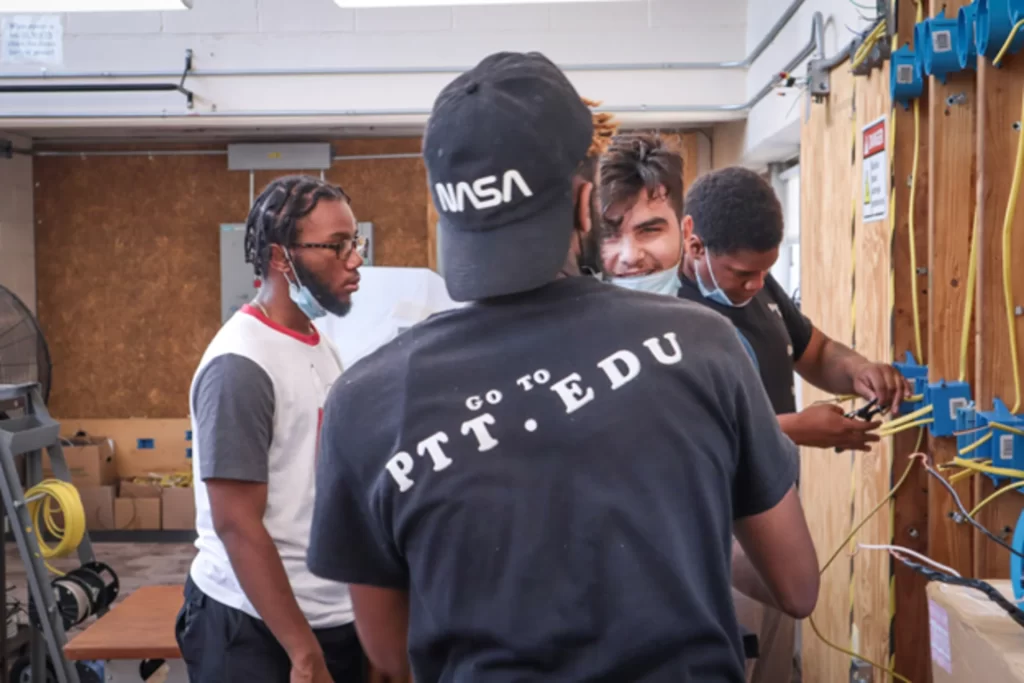
Both trades have secure demand, but electricians are growing faster. The Bureau of Labor Statistics projects 9% electrician job growth from 2024 to 2034. That is much faster than average. Welding is projected to grow about 2%, driven mostly by replacement demand. So the welder vs electrician job outlook favors electricians on growth, though both stay strong.
Demand shapes job security and pay leverage. So let me compare the outlook for each trade. Strong demand also explains why the highest paying trades Philadelphia offers include both welding and electrical work.
Electrician demand is unusually strong right now. BLS projects about 81,000 openings each year through 2034. Several forces drive this surge:
In Pennsylvania, data center corridors and rail electrification add local demand. This keeps the electrician salary in Philadelphia on a healthy upward path.
Welding demand is steady and durable. BLS projects about 45,600 openings each year through 2034. Most come from replacement as older welders retire. Skilled, site-based welding is hard to automate. Philadelphia’s aging infrastructure and shipbuilding keep welders busy. That steady work supports the welder salary in Philadelphia year after year. For a broader view, see PTTI’s guide to the highest-paying trade jobs in Philadelphia.
Pick the trade that fits your goals and how you like to work. If you want faster entry and hands-on metal work, welding fits. If you want a longer path with a higher ceiling, electrical fits. Both rank among the highest paying trades Philadelphia has to offer. Both lead to a stable welder or electrician career.
There is no single right answer for everyone. Your timeline, interests, and goals decide it. So let me make the welder or electrician career choice simpler with a clear breakdown.
Welding suits people who want quick entry and tangible work. Consider welding if you:
Focused, hands-on training makes this speed possible. You can begin your path through a welding technology program built around real booth time. It is a fast route into one of the highest paying trades Philadelphia supports.
Electrical work suits people who want a strong long-term ceiling. Consider the electrical and automation path if you:
You do not have to choose alone. PTTI’s admissions team can help you compare both paths.
PTTI trains students for both welding and electrical-focused careers. Its programs use hands-on labs and industry-standard equipment. That applied training builds the skills employers actually test for. It also prepares students for the certifications that raise pay in both of the highest paying trades Philadelphia relies on. That preparation shapes your future welder or electrician career.
Hands-on training is what separates real readiness from theory. You cannot learn welding or electrical work from a screen alone. This is where trade school beats online-only or self-taught paths. Let me show how each program builds job-ready skills.
PTTI’s welding training centers on real practice. Students spend time at the booth, not just in lectures. They learn core processes and safety on professional equipment. They also prepare for recognized weld testing. That preparation is what lifts the welder salary in Philadelphia. Graduates connect to local fabrication and shipbuilding employers through career services

PTTI’s manufacturing and electrical training builds applied technical skill. Students work with automation, controls, and electrical systems. This training aligns with today’s fast-growing electrical demand. It prepares students for entry-level roles and further licensing. Strong training also supports a higher electrician salary in Philadelphia later. To see how training turns into work, read how PTTI students build careers before graduation
Both programs share the same goal. They make you job-ready fast. They also keep tuition transparent, with financial aid available to those who qualify. Veterans can also review dedicated veterans’ benefits support. Whichever welder or electrician career you choose, the goal stays the same.
You now have a clear answer to who makes more money, welders or electricians. Electricians lead on median pay and long-term ceiling. Welders offer faster entry and strong specialty pay. Both rank among the highest paying trades Philadelphia has to offer. In the full welder vs electrician salary picture, the best choice is the one that fits your goals.
Ready to take the next step? Explore all of PTTI’s hands-on training programs, schedule a campus tour to see the labs, or contact admissions to compare the welding and electrical paths. Whichever welder or electrician career you choose, it can start this year.
Electricians usually earn more on median pay. The national electrician median is about $62,350, versus roughly $48,000 to $50,000 for welders. However, specialized welders can match or beat average electrician pay. Both trades reward certification, which PTTI’s hands-on programs help you build.
Generally, yes. The electrician salary in Philadelphia often runs higher than the welder salary in Philadelphia. Electricians average around $62,000 to $74,000, while welders average about $52,000 to $60,000. Still, do electricians make more than welders at the top? Not always, since certified welders earn strong specialty pay.
Welding often has a faster entry. Focused welding training can make you job-ready in under a year. Electrical work usually involves a longer apprenticeship and licensing path. For entry level welder vs electrician pay, welding tends to reach a full wage sooner.
Electricians have stronger projected growth. BLS projects 9% growth for electricians versus about 2% for welders. Still, both trades open tens of thousands of jobs each year. The welder vs electrician job outlook stays strong across the Philadelphia region.
Yes, both can. Master electricians and industrial specialists often reach six figures. Specialized welders in pipe, aerospace, or underwater work can too. In the wider skilled trades salary 2026 picture, certification and specialization are the keys. PTTI’s training helps students build those credentials.