
Let’s start with a real question: what if the career you want doesn’t need a four-year degree? Skills-based careers for women are growing fast, and plenty of women still haven’t been told this path exists. Maybe you heard “go to college or get left behind” your whole life. However, that’s not the only road anymore. Here’s why a skills-based path matters in 2027, which careers to look at, and how to start.
A skills-based career runs on what you can do, not just what degree you hold. Employers hire you because you can fix, build, install, or operate something. Additionally, you prove it with hands-on training and certifications.
Think of fields like:
College costs keep climbing. It sometimes scares family members due to rising college fees. Also, the rise in inflation makes families worried about paying debt. As Student debt follows people for years. Meanwhile, many trades struggle to find enough trained workers. So a skills-based path can offer a faster, cheaper route to steady income.
Here’s why it matters for women specifically:
Overall, it’s about control over your future. A reliable skill gives you what you are looking for, especially women. Women are a skilled force that is growing at tremendous speed. They are now the breadwinner of a few families in America.
Women remain a smaller share of the workforce in many trades. Many enrollment efforts feature women. There are young women, single moms, and those who prefer on-site jobs rather than office jobs. Some job sites can feel like boys’ clubs. However, that’s changing, and many employers now actively want a more diverse crew.
Here’s how to prepare:
Hard parts exist. So does support. You can handle both.
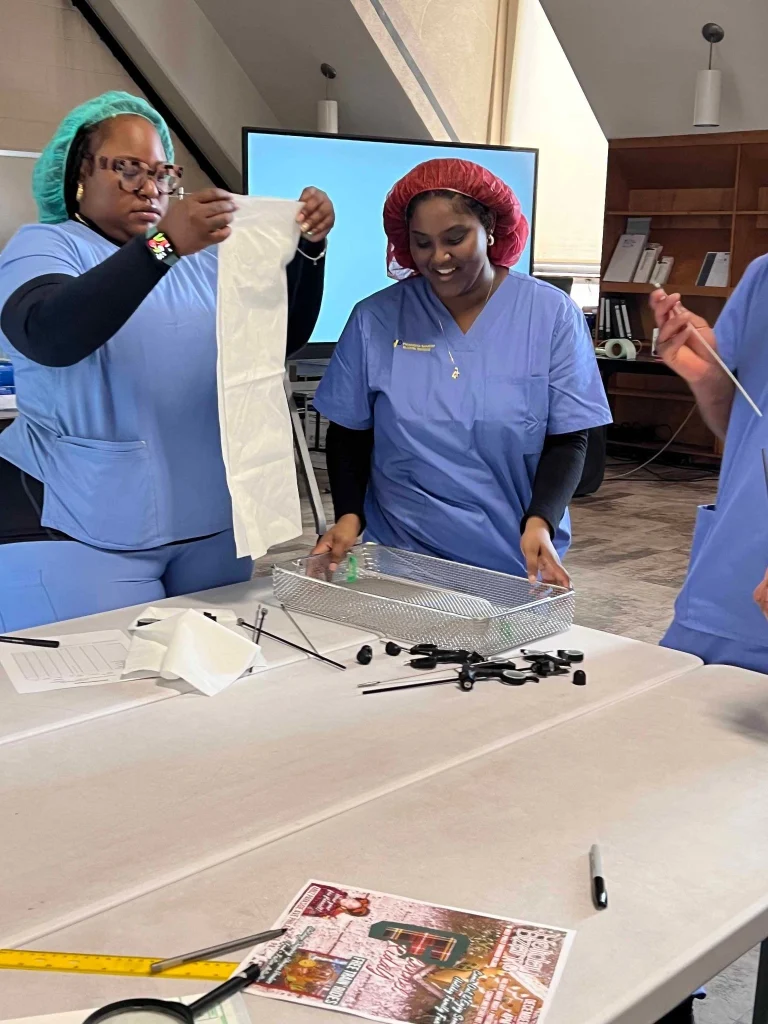
You don’t have to pick the “loudest” trade. Pick the one that fits you. Moreover, each of these pairs hands-on training with recognized credentials. A skilled career path for women is Sterile processing. This is most preferred by women who want to join healthcare. It is safe for women, reputable, and offers a good income, with learning and lots of facilities from the healthcare department. Considered best for women
| HVAC Technician | Repair and install heating and cooling systems | EPA 608, OSHA 30 |
| Welder | Join and fabricate metal for construction and manufacturing | AWS D1.1 |
| Automotive Technician | Diagnose and repair vehicles | ASE certification |
| Sterile Processing Technician | Clean and prepare surgical instruments | CRCST |
| Manufacturing/Automation Technician | Maintain machines, robotics, and control systems | Diploma plus hands-on skills |
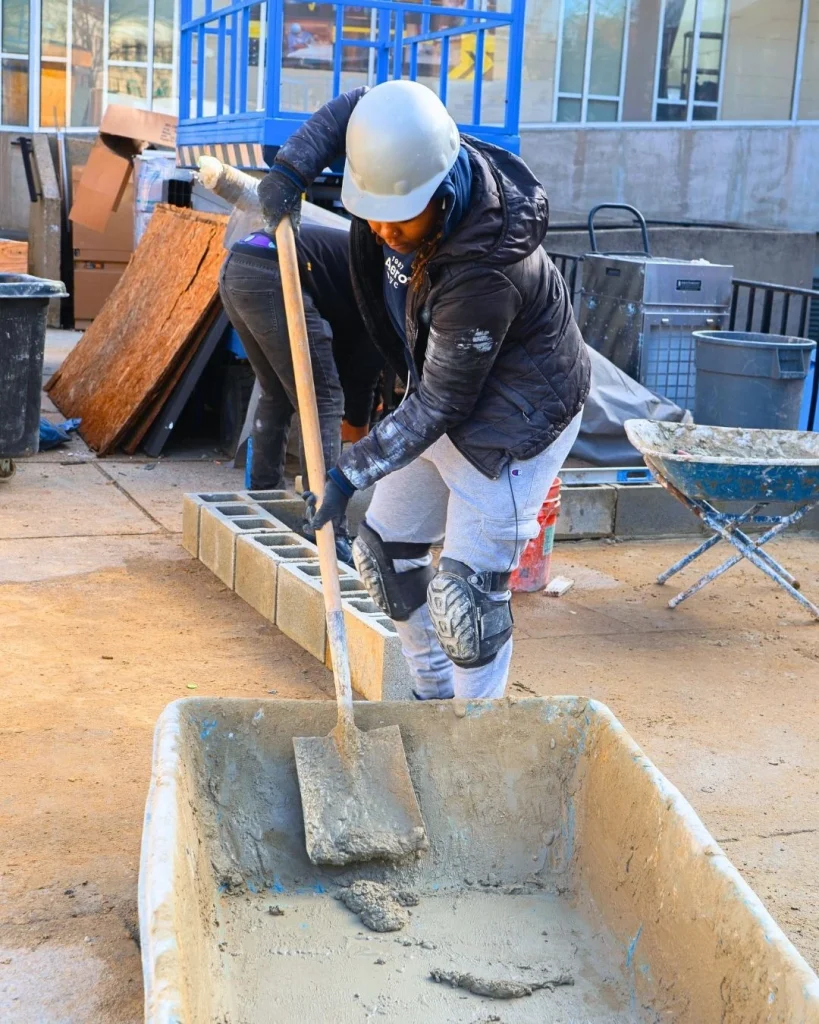
| Concrete/Framing Technician | Build foundations and structures | OSHA 30 |
Pick what sounds interesting to you. Interest keeps you going when training gets tough. In skilled trades, interest matters too. Because it is all practical-based. If you want a job outdoors, love traveling, and don’t like sitting at one corner doing an office job . Then these skilled trade programs might interest you. They’re also great for women who love travel, meeting new people, and completing tasks. If you have to look after your child, do pick-ups and drop-offs, and other tasks like that. You should choose programs that match your needs. That matches your work-life balance as well.
A skills-based career can offer different pay according to the program you opt for . As Pay varies by trade, experience, and certifications, along with location as well . Still, many skilled trades offer solid wages and room to grow. Additionally, benefits like health coverage often come with steady employers
Women in skilled trades often say they value a career for: roughly 35% steady income, 25% job security, 20% growth opportunities, 10% flexible schedules, and 10% meaningful, hands-on work. Income and security take the biggest slices. All thisese defrentiation help women choose their skilled trade career .
| Steady income | Strong demand in many trades |
| Job security | Skills employers need year-round |
| Growth | Lead, supervisor, or business-owner paths |
| Flexibility | Some employers offer varied shifts |
| Pride in your work | Visible, hands-on results |
Note: The percentages above are illustrative, not official statistics.
Here’s a simple path.
Take it one step at a time. You don’t have to figure it all out today.
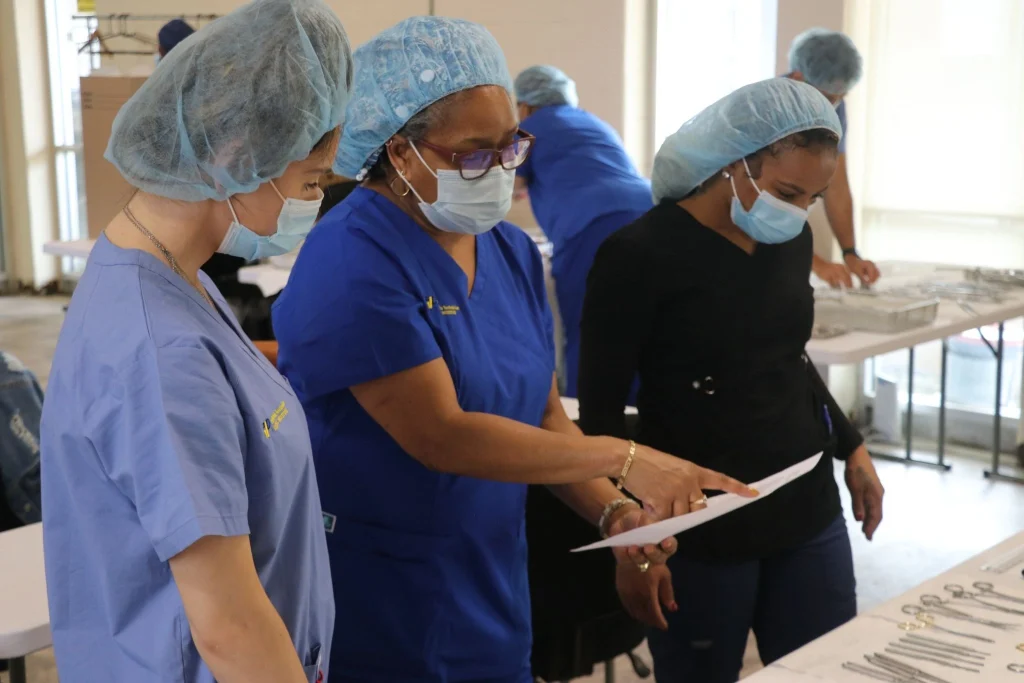
Not every program serves students equally well. Every program has a different schedule and a different approach. Therefore, ask direct questions before you sign.
Trust your gut during the tour. If the place feels welcoming and organized, that’s a good sign.
Nobody succeeds alone. Moreover, women in the trades often point to mentors and peer groups as the thing that kept them going.
Ways to build yours:
A strong circle makes the tough days easier. And it opens doors you didn’t know existed.
Timing is good if you start at a certain age .According to the U.S. Bureau of Labor Statistics, employment across construction, automotive repair, welding, and healthcare support trades is projected to grow steadily over the next decade. So employers will keep needing trained people. That demand supports your odds, though effort still matters most.
Philadelphia Technician Training Institute (PTTI) offers hands-on programs in HVAC, welding, automotive technology, sterile processing, manufacturing and automation, concrete and framing, steam/sprinkler/pipefitting, and drywall. Additionally, programs include career coursework like Job Application Skills, plus externship experience in real work settings.
Here’s how to get started:
PTTI reports a placement rate near 92% across its trade programs. Ask how it’s calculated. A good school will explain. It will make you undertsnd the importance of skilld tarde program
Skills-based careers for women offer something powerful: independence built on what you can do. The path isn’t always easy, and some environments still need to catch up. However, the training is shorter than college, the demand is real, and the support is out there if you look for it. Overall, 2027 is a great year to pick a skill, build it, and take charge of your own paycheck.
Ready to explore your options? connect with representatives at PTTI and get assistance.Call PTTI at 215-381-9403 or email info@ptt.edu to talk with an advisor.
Frequently Asked Questions
Absolutely. Success in the trades comes from training, practice, and good support, not from gender.
No. Most skilled trades require training and certification instead of a four-year degree.
It varies by program. Many PTTI programs run about 26 weeks, while others run longer. Confirm timing with admissions.
Yes. PTTI accepts FAFSA applications under school code 042213, and advisors can explain your options.
It happens in some places. Build a support network, find mentors, and choose employers with strong team cultures.
Read More: