
Two technicians can start on the same shop floor, wear the same uniform, and turn the same wrenches, yet earn thousands of dollars apart within a few years. The difference usually comes down to one capability: diagnostics. As vehicles fill with sensors, control modules, and software, the technician who can read data and find the real fault has become far more valuable than the one who only replaces parts. That shift is why the role of the automotive diagnostic technician now sits at the top of most repair-shop pay scales.
This guide breaks down auto diagnostics versus general repair in plain terms: what each one actually involves, how the pay gap looks heading into 2026, which skills and certifications employers reward, and how someone in the Philadelphia area can build these abilities. If you are weighing a career in the trade, or deciding where to focus your training, understanding this one distinction can shape your earnings for decades. The short version is simple: diagnostic ability is the skill that moves a mechanic’s pay.
General repair is the hands-on work of fixing and replacing vehicle components, while auto diagnostics is the investigative process of identifying why a problem is happening in the first place. Both matter, but diagnostics requires reading electronic data, interpreting fault codes, and reasoning through systems — which is why it carries more weight and more pay.
Think of general repair as execution and diagnostics as detective work. A general-repair mechanic performs brake jobs, oil changes, belt and hose replacements, suspension work, and the steady maintenance that keeps vehicles on the road. These tasks are essential, physical, and skilled. The challenge is that many of them are increasingly standardized, and the parts largely tell you what to do once the fault is known.
Diagnostics is where the modern vehicle gets complicated, and where diagnostic skills become decisive. A check-engine light can point to dozens of possible causes. An intermittent stall, a phantom warning, or a sensor reading that drifts under load cannot be solved by swapping parts at random — that approach wastes the customer’s money and the shop’s time. The advanced auto diagnostics process uses scan tools, multimeters, oscilloscopes, and service data to isolate the true fault before a single part is touched. The technician who can do this reliably saves the shop money and earns a reputation worth paying for.
That is the core reason an automotive diagnostic technician out-earns a general-repair mechanic: the work is harder to learn, harder to replace, and directly tied to customer trust and shop profitability.
A vehicle built today can run more than 100 million lines of code across dozens of electronic control units. Power steering, braking, climate, infotainment, and driver-assistance features all communicate over internal networks. When one signal misbehaves, the symptom often appears far from the actual cause. Hands-on repair skills still fix the failed component, but only diagnostic skills can find it. This is the shift that has quietly rewritten the trade’s pay structure, and it is why automotive repair technology programs now treat electronics as a core subject.
The pay gap is the headline. A general automotive technician salary in the United States averages around $57,800 per year, while an automotive diagnostic technician averages roughly $71,700 — and top diagnostic earners report figures near $93,500. That spread of about $14,000 a year, widening further at the high end, is the financial case for building diagnostic ability.
For context, the Bureau of Labor Statistics reports a median wage of about $50,620 for automotive service technicians and mechanics as a whole. The averages above sit above that median precisely because diagnostic and specialized roles pull the top of the range upward. Earnings vary by employer, region, experience, certification, and specialization, so these numbers are benchmarks rather than promises — but the pattern is consistent across sources.
| Role | Typical Average (Annual) | Upper-End Earnings |
| General automotive technician | ~$57,800 | ~$83,000 |
| Automotive diagnostic technician | ~$71,700 | ~$93,500+ |
| Industry median (all auto techs, BLS) | ~$50,620 | varies by specialty |
A few forces explain the automotive technician salary difference. Diagnostic work is billed at higher labor rates because it requires judgment, equipment, and strong diagnostic skills. Shops compete for technicians who can reduce “comebacks” — repairs that fail and return — and accurate diagnosis is the single biggest factor in avoiding them. And as vehicles grow more complex, the supply of technicians who are genuinely comfortable with electronics has not kept pace with demand. When you review high-paying automotive jobs without a degree, diagnostic specialization is almost always the common thread among the top earners.
💡 The takeaway on pay: General repair gets you into the trade. Diagnostic ability is what raises your ceiling inside it.
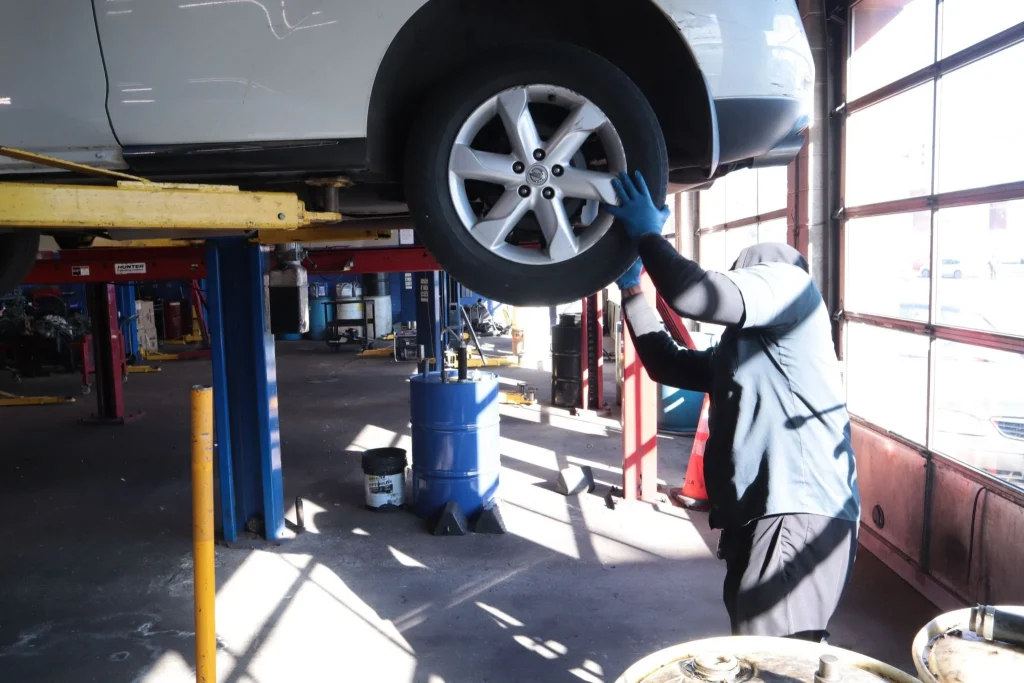
An automotive diagnostic technician needs a blend of electronic literacy, systems reasoning, and hands-on precision. The core abilities include reading and interpreting fault codes, using scan tools and oscilloscopes, understanding electrical circuits, testing sensors and actuators, and verifying a repair before returning the vehicle. These are learnable skills, built through structured practice.
Here is what separates diagnostic-capable technicians in the field:
General-repair work relies heavily on mechanical aptitude and physical skill. Diagnostics adds a layer of analytical reasoning on top of that foundation. This is exactly why strong automotive repair technology training spends real lab time on electronics and data interpretation rather than on parts replacement alone — the diagnostic layer is what the market pays for.The Automotive technician salary also depends on the location and experiences.
You do not need a specific license to work on most vehicles, but ASE certification is the recognized way to prove diagnostic competence to employers. Certifications in Electrical/Electronic Systems (A6) and Engine Performance (A8) directly validate the skills behind diagnostic work, and many shops tie pay and advancement to them.
The National Institute for Automotive Service Excellence (ASE) administers the credentials that function as the trade’s professional standard. While entry-level roles may not require them on day one, moving into diagnostic and specialist positions almost always rewards them. Certified technicians tend to command higher pay and gain access to higher-skill assignments, which is why earning an automotive tech certification is one of the clearest returns on effort in the field.
A practical path looks like this: build foundational skills in training, gain hands-on experience, then pursue ASE certifications in the areas that map to diagnostics — electrical, engine performance, and eventually the Advanced Level (L1) credential that specifically targets advanced engine performance diagnosis. Each step raises both capability and earning potential.
The gap between diagnostic and general repair is growing because vehicles keep getting more computerized. Three trends stand out heading into 2026, and each one favors the technician who invests in diagnostic skills.
First, advanced driver-assistance systems (ADAS) — automatic braking, lane-keeping, adaptive cruise — now appear across mainstream models. Even a routine windshield replacement or bumper repair can require sensor recalibration, a task that is pure diagnostics and billable at premium rates.
Second, vehicle networks and software have turned the car into a rolling computer. Module programming, software updates, and network troubleshooting are everyday work in modern shops. Routine repair skills do not cover this; diagnostic training does.
Third, electrification is reshaping the trade. Electric and hybrid vehicles introduce high-voltage systems, battery management, and electric-motor diagnostics. Technicians who pursue EV and hybrid vehicle training position themselves for one of the fastest-expanding corners of the field. The common thread across all three trends is the same: the ability to diagnose, not just replace, is the skill that decides a modern mechanic’s pay.
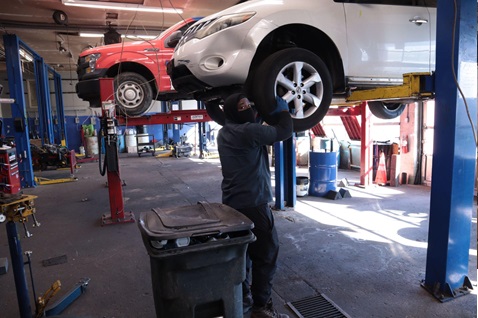
The most reliable way to learn auto diagnostics is through hands-on training on real vehicles and real diagnostic equipment, followed by shop experience and ASE certification. In the Philadelphia area, a focused automotive repair technology program can build these skills much faster than trial and error on the job alone.
Classroom theory has its place, but diagnostics is a practiced skill. You develop it by connecting scan tools to live vehicles, chasing real faults, measuring actual circuits, and verifying repairs under instruction. That is why the quality of a program’s labs and equipment matters more than almost anything else. Prospective students in the region often compare their options, and the strongest programs share a few traits: current diagnostic tools, instructors with field experience, and a curriculum that treats electronics as core rather than optional.
For someone deciding how to become an automotive technician in Philadelphia, the key question is not simply “where can I learn to fix cars” but “where can I learn to diagnose them.” Programs at Philadelphia Technician Training Institute (PTTI) emphasize hands-on diagnostic work, modern automotive electronics, and career readiness — the foundation the trade now pays for. Students across Philadelphia and nearby communities in Pennsylvania, New Jersey, and Delaware use this kind of training as a direct route into the workforce.
This path suits a wide range of people: high school graduates who want a skilled, future-facing career; career changers leaving retail or warehouse work; veterans with a technical mindset; and adult learners who want earning potential without a four-year degree. What they share is a willingness to learn the analytical side of the trade — the side that separates a general mechanic from a well-paid automotive diagnostic technician.
Both routes can lead to a career, but they differ in speed, cost, and focus. A trade school program is typically shorter, more hands-on, and built around the specific skills employers test for. Community college may offer a broader associate degree over a longer timeline. For diagnostics specifically, the deciding factor is lab time and equipment access.
| Factor | Focused Trade Program | Community College |
| Time to job-ready | Shorter, accelerated | Often two years |
| Hands-on diagnostic labs | Core of the program | Varies widely |
| Cost | Focused tuition | Varies |
| Curriculum focus | Employer-aligned skills | Broader academics |
| Fastest path to earning | Yes | Usually slower |
Neither choice is wrong. But a student whose goal is to earn well as a diagnostic specialist should weigh how much real diagnostic practice each option delivers, because that is the skill the paycheck follows.
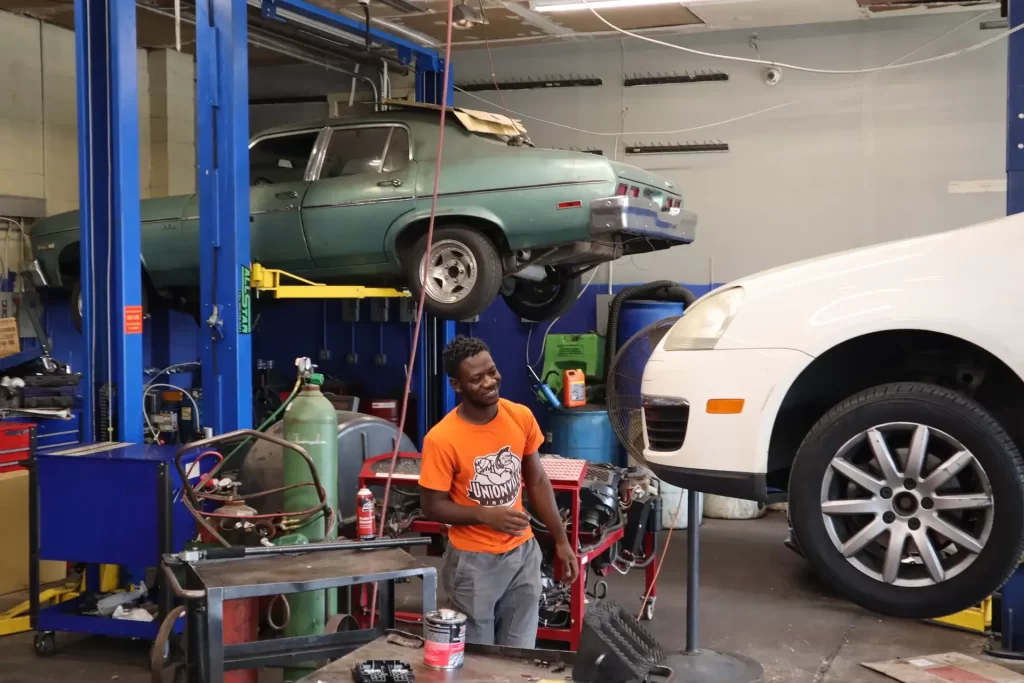
Auto diagnostics versus general repair is not really a rivalry — every great technician does both. But in 2026, diagnostic ability is the skill that decides how far a mechanic’s pay can climb. General repair opens the door to the trade; the capacity to read data, reason through systems, and find the true fault is what carries a career toward the top of the pay scale and keeps it there as vehicles grow more complex.
If you want that earning power, train for it deliberately. The fastest, most dependable route is hands-on auto diagnostics training on real equipment, paired with the certifications that prove your skill. To explore automotive repair technology training in Philadelphia and take the next step, contact PTTI admissions to request information or schedule a campus tour.
Yes. A general automotive technician averages roughly $57,800 a year, while an automotive diagnostic technician averages about $71,700, with top earners near $93,500. The gap reflects the higher skill, judgment, and equipment that accurate diagnosis requires. Actual pay varies by employer, region, experience, and certification.
You can learn through a hands-on automotive repair technology program that prioritizes diagnostic labs and real equipment. PTTI in Philadelphia offers training focused on modern automotive electronics, scan-tool use, and career readiness, serving students across the city and nearby Pennsylvania, New Jersey, and Delaware communities.
Foundational diagnostic skills can be built in a focused training program, often in under a year, then deepened through shop experience and certification. Diagnostics is a practiced skill, so ongoing learning continues throughout a technician’s career as vehicle technology evolves.
It is not legally required, but ASE certification is the recognized way to prove diagnostic competence. Credentials in Electrical/Electronic Systems and Engine Performance map directly to diagnostic work, and many employers tie pay and advancement to them.
Yes. Electric and hybrid vehicles add high-voltage and battery diagnostics, expanding rather than shrinking the need for skilled technicians. With about 66,200 openings projected annually for the trade and electronics driving demand, diagnostic ability is a durable, high-value skill.