
Most people think skill alone gets you hired. It helps, to an extent but networking events at Philly trade schools can open doors that a resume never will. A lot of trade jobs get filled through a name someone already knows. However, nobody tells students this until after graduation. Here’s how these events work, why they matter, and how to use them without feeling awkward.
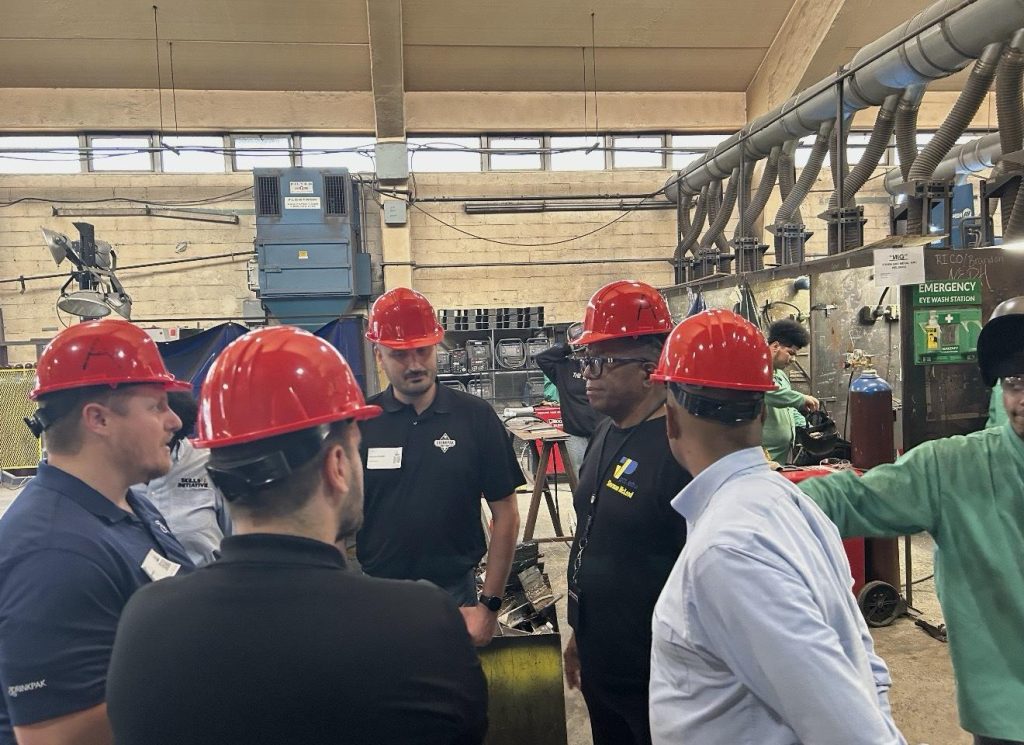
Learning a trade takes practice, but building relationships can help you put those skills to work. Networking events at Philly trade schools let students meet employers, talk with graduates, and explore career paths beyond the classroom.
Trade work runs on trust. Because it delas with real-world challenges, hands-on experience is required . A supervisor would rather hire someone a coworker vouches for than a stranger. Additionally, small shops and contractors rarely post every opening online. For example, a conversation with a local contractor can help you understand what companies expect from entry-level technicians. Meanwhile, meeting former students can offer practical insight into interviews, workplace routines, and the transition from training to employment.
That’s where trade school networking comes in. You get face time with people who actually hire.
Here’s what it can do for you:
Therefore, showing up matters almost as much as the skills you build.

These events aren’t stiff, corporate mixers. Most are pretty casual, and many happen right at the school. Moreover, they often fit into your normal training schedule. These conversations also give you a chance to introduce yourself before you submit an application. Instead of relying only on a résumé, you can share your interests, describe recent projects, and ask thoughtful questions about the work.
However, preparation makes each interaction more useful. Before an event, research participating companies and prepare a short introduction. Then, bring copies of your résumé and explain which skills you want to develop.
Common formats include:
Overall, you don’t need a fancy outfit or a speech. You just need to show up ready to talk.
Applying online can feel like tossing your resume into a black hole. Meeting employers in person changes the game. Additionally, they can see your attitude, not just your paperwork.
Even to an extent, alumni also help you get hired; they attend workshops at institutes and guide students regarding the industry. They also recommend students to their company if they have any openings. Therefore, networking helps meet employer expectations faster. That leads to hiring
| Hiring Source | Rough Share | What It Means for You |
| Referrals/Connections | ~35% | A known name gets noticed first |
| Externships/School Ties | ~25% | Training can turn into a job offer |
| Direct Applications | ~25% | Still works, but more competition |
| Job Boards | ~15% | Useful, though not the whole picture |
Note: These percentages are illustrative estimates, not official statistics.
So if you want to meet employers, events beat job boards most days.
You don’t need to be a smooth talker. A little prep goes a long way. Therefore, spend ten minutes getting your basics down. Afterward, follow up with the people you met. A brief thank-you message can keep the conversation going and show genuine interest.
Ultimately, networking does not replace hands-on training. Instead, it helps you connect your training with workplace expectations, build professional confidence, and discover opportunities as you prepare to start your trade career in Philadelphia and beyond.
Here’s a quick checklist:
Finally, remember that employers expect students to be new. Nobody expects perfection.
Meeting someone is step one. Following up is where job leads actually show up. However, many students skip this part and lose the connection.
Here’s a simple follow-up plan:
Additionally, treat every contact like a long-term relationship, not a one-time ask.
A job offer is great. Strong professional connections are even better because they keep paying off. Therefore, think beyond your first job.
Here’s how connections help over time:
Overall, the people you meet now can shape your next ten years, not just your first paycheck. But their feedback matters as well in building career.
Networking is an add-on to certification; they both play a major role in hiring. If you have only certification, that will not help you alone . But skills and certifications from reputed institutes like Philadelphia Training Institute help. Along with networking with Alumni . Together, they support students throughout the skilled trade journey. Connections open the door, but skill keeps you in the room. Employers still want proof you can do the work. Moreover, certifications give them that proof.
Programs often include certifications like EPA 608, OSHA 30, AWS D1.1, or CRCST. So when you meet an employer, you can say what you’re certified in. That makes the conversation much stronger.
According to the U.S. Bureau of Labor Statistics, employment across HVAC, automotive repair, welding, and healthcare support trades is projected to grow steadily over the next decade. So employers are actively looking for people they can trust.
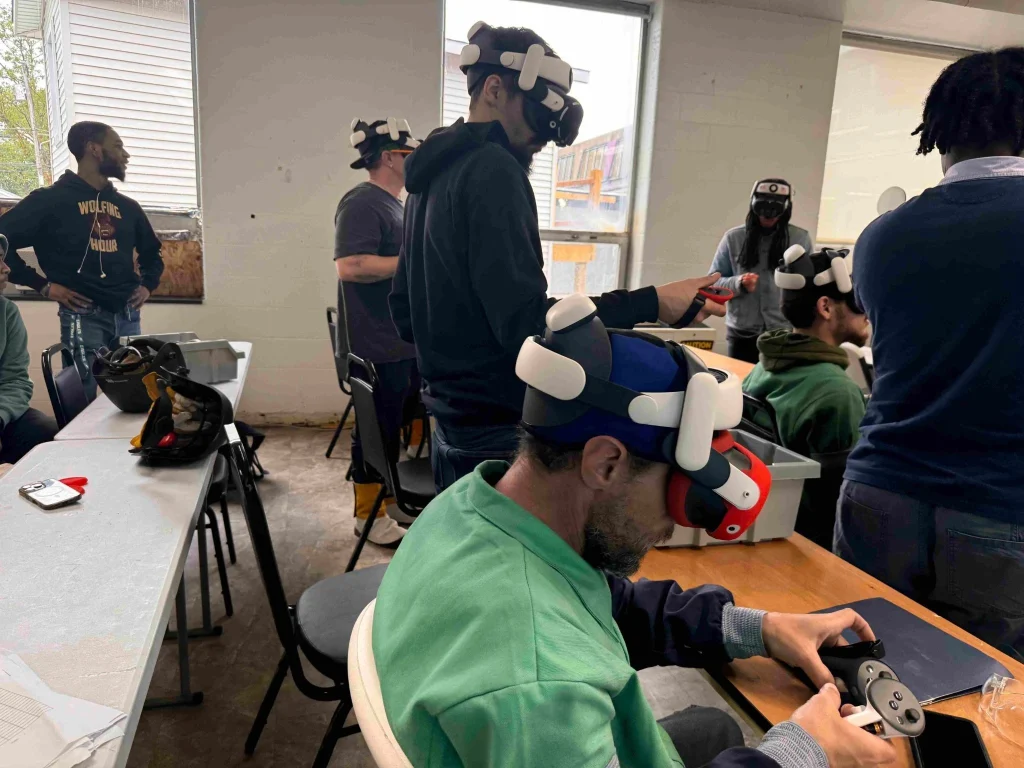
Philadelphia Technician Training Institute (PTTI) builds career support into its training. That includes Job Application Skills coursework and externship experience in real work settings. Additionally, PTTI keeps relationships with employers across its trade programs.
Here’s how to get started:
PTTI reports a placement rate near 92% across its trade programs.
Networking events at Philly trade schools give you something a resume can’t: a real face and a real conversation. However, they only work if you show up, ask questions, and follow through. Between trade school networking, new job leads, and lasting professional connections, a few hours at an event can change your whole path. Overall, skill gets you ready, but the right people help you get hired.
Ready to build skills and become a certified technician along with good connectiand connections at the same time? Call PTTI at 215-381-9403 or email info@ptt.edu to speak with an advisor.
Frequently Asked Questions
It depends on you, but if you bring it, it will help to get clear picture about your skills. Bring a simple one-page resume, even if your work history is short.
That’s normal. Don’t worry if you have skills and certifications. That also works . Prepare two questions ahead of time and let the other person do most of the talking.
Yes. Absolutely. Many trade jobs come through referrals, externships, and connections.
Very soon followed . A short thank-you message keeps you top of mind.
Yes , PTTI includes job application coursework, externship experience, and employer relationships across its programs.
Read More: