
You want a paycheck that makes the training worth it. But “which trade pays best?” has a trickier answer than most blogs admit. Good pay, along with the skills you want to learn and are interested in, also matters most . Pay depends on where you work, how long you’ve been at it, and what you specialize in. This guide compares skilled trade programs in Philadelphia using real government data, then shows what else to weigh before you pick one. No hype, just numbers you can check.
Before we rank anything, keep three things in mind.
Additionally, the median annual wage for all U.S. occupations was $49,500 in May 2024. That’s a handy yardstick. Anything above it beats the typical worker’s pay.

Here’s how the trades behind PTTI’s programs’ salaries reflect in the BLS category .The BLS job categories don’t match every program perfectly, so treat each row as a close cousin.
| Trade (Related PTTI Program) | BLS Category | National Median Pay (May 2024) |
| Automation and manufacturing | Industrial machinery mechanics, maintenance workers, millwrights | $63,510 |
| Steam/sprinkler/pipefitting | Plumbers, pipefitters, steamfitters | $62,970 |
| HVAC | Heating, A/C, and refrigeration mechanics and installers | $59,810 |
| Drywall and finishing | Drywall installers, ceiling tile installers, tapers | $58,800 (tapers: $64,700) |
| Concrete and masonry | Masonry workers | $56,600 |
| Welding | Welders, cutters, solderers, brazers | $51,000 |
| Automotive | Automotive service technicians and mechanics | $49,670 |
| Sterile processing | Medical equipment preparers | $37,500 to $49,999 pay band |
This Program chart with automation at the top and sterile processing at the bottom. Overall, most of these trades sit at or above the all-worker median. That’s a solid starting point.
The highest number isn’t automatically your best bet. Look at growth and openings too.
Moreover, slow growth doesn’t mean no jobs. Many openings come from workers who retire or switch fields. But faster-growing trades can give you more room to move.
Money matters. Sometimes you earn passive income by working independently; your hard work and dedication can earn bonuses and extra financial benefits. So do time, work conditions, and fit. Here’s a quick view of PTTI’s training time.
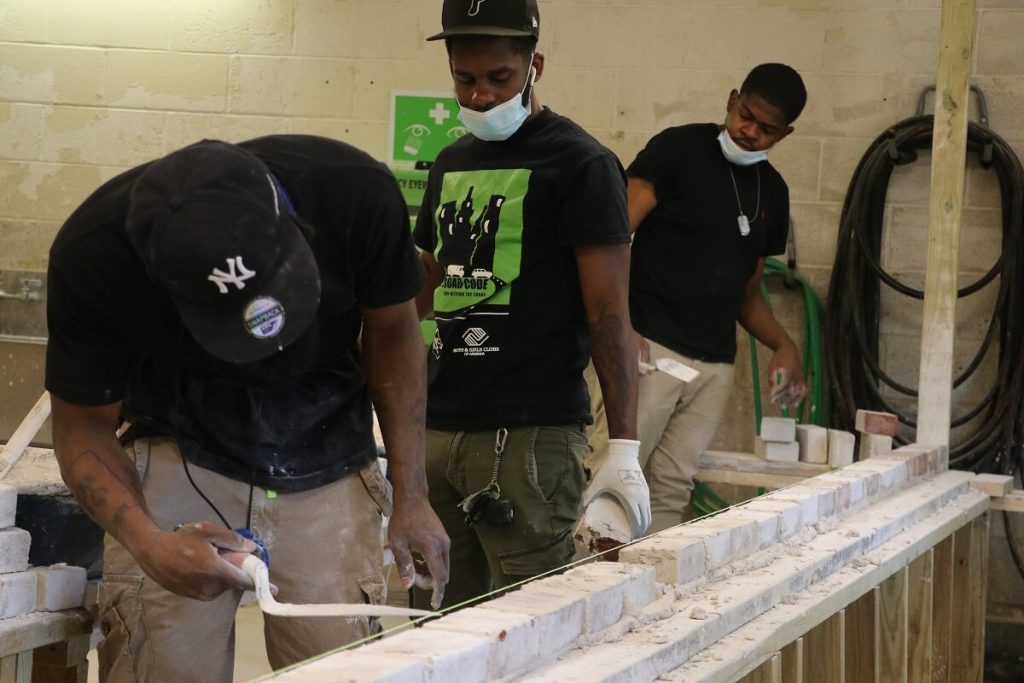
| Program | Training Length |
| Welding Technology | 26 weeks, 900 hours |
| Automotive Technology and Repair | 26 weeks, 900 hours |
| Concreting, Masonry, and Framing | 26 weeks, 900 hours |
| Manufacturing and Automation | 26 weeks, 900 hours |
| Sterile Processing and Central Services | 1,100 hours (hybrid) |
Note: Confirm current schedules, hours, and tuition with PTTI. Other programs may differ.
Also weigh the day-to-day. Automotive technicians face one of the highest rates of injuries and illnesses of all occupations. Welders may work evenings and weekends. Industrial machinery mechanics may be on call and work nights or weekends, and overtime is common. A higher paycheck sometimes comes with a harder schedule.
Your trade school in Philadelphia sets a baseline. Your choices move you up from there.
Therefore, think of the median as a floor you can climb from, not a ceiling.
National medians only go so far. Check local numbers before you choose.
Finally, write down what you find. Real numbers beat guesses. Here is a quick roadmap of which program offers the best fit accrding to your intrests.
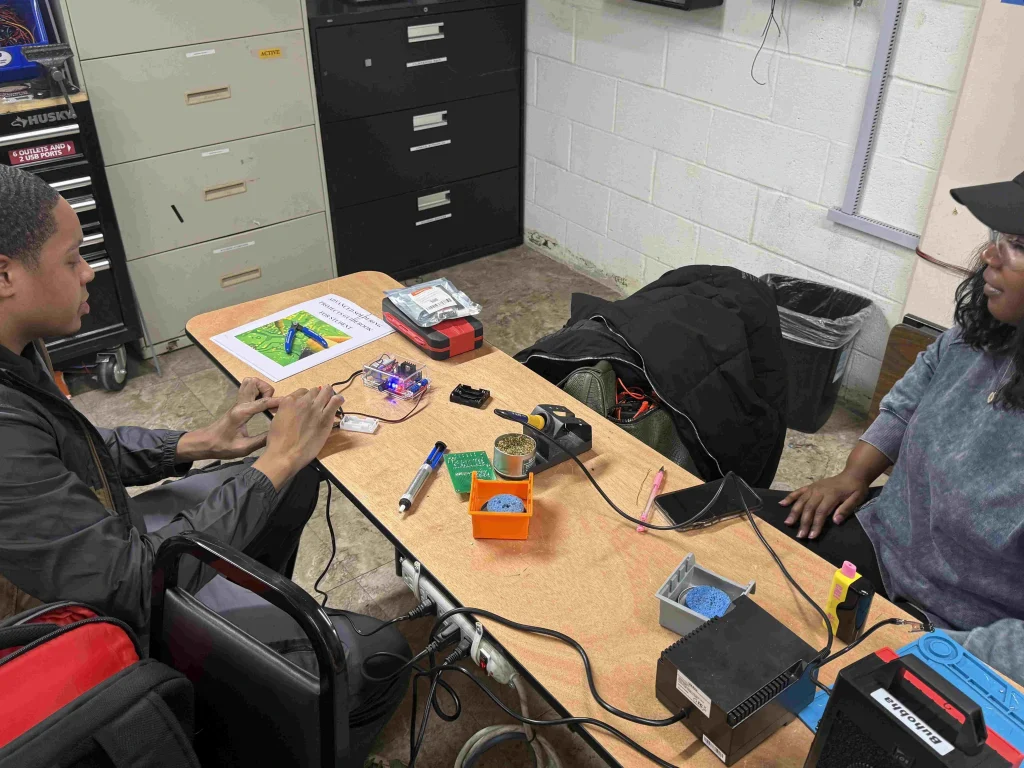
Match the work to your personality, not just the paycheck.
A job you can stand doing for years will usually pay better in the long run than one you quit after six months.
Philadelphia Technician Training Institute (PTTI) offers hands-on training across these trades. Additionally, programs include credentials such as EPA 608, AWS D1.1, OSHA 30, and CRCST, depending on the trade, plus career coursework like Job Application Skills and externship experience.
To get started:
PTTI reports a good placement rate across its trade programs. PTTI has good contact with companies and business owners. Many graduates are placed. So whenever there is hiring, they report to the career services team and hire graduates accordingly . No school can guarantee a job or a specific salary, so ask how it tracks outcomes.
Phialdelphia skilled trade pay varies according to pay and experience. Though the city has lot more to offer So, which of the skilled trade programs in Philadelphia pays best? On national medians, automation and pipefitting lead the pack, with HVAC and drywall close behind. However, the best choice also depends on growth, training time, work conditions, and what you’d enjoy doing. Overall, pick a trade you can stick with, stack your certifications, and check local pay before you commit.
Among the trades PTTI trains for, industrial machinery maintenance (automation-related) and pipefitting had the highest national medians in BLS’s May 2024 data.
Not exactly. They’re national medians. Check BLS area data and local job postings for Philadelphia pay.
Probably not. Medians include experienced workers, so starting pay is usually lower.
It can. Credentials prove skills and may open higher-paying roles.
No. PTTI offers career coursework, externships, and employer connections, and reports a placement rate near 92%.
Read More: