
Wondering how to prepare teens for the workforce in a way that actually sticks? A traditional classroom alone often doesn’t cut it anymore. Today’s teens are very much hardworking and tech-friendly; they are veru smart and can grab things very quickly. Teens need real, hands-on experience that connects directly to a paycheck, not just a diploma. However, many parents and guardians don’t realize how many practical training options exist right here in Philadelphia. Below, we break down what workforce-ready training looks like, and how local programs help teens build real, hireable skills.
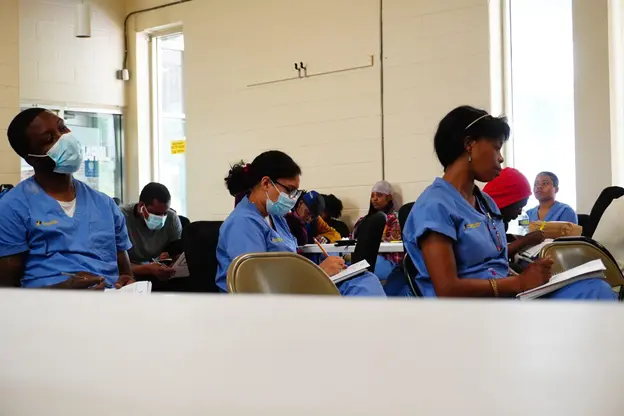
High school prepares teens for a lot of things, but hands-on job skills often aren’t one of them. Additionally, a four-year college path leaves many young adults with debt and uncertain job prospects right after graduation.
Here’s why families are looking beyond the traditional path:
As a result, more families are exploring trade training as a serious, practical option.
Workforce-ready involves more than just technical knowledge. It requires more strength and dedication and basic theoretical knowledge as well . Moreover, employers look for teens who show up on time, communicate clearly, and can apply skills in real situations.
Here’s what workforce-ready training typically builds:
Therefore, strong training programs build all five areas, not just technical skill alone.
The problems of real hands-on training. Philadelphia Technical Institute is building the future of students , especially from underrepresented communities, building and renovating. Trade training programs in Philadelphia combine classroom instruction with real, hands-on lab work. Many programs also include dedicated coursework on job application skills, not just technical training.
Philadelphia training programs are all about 30% classroom instruction, 45% hands-on lab work, and 25% externship or real-world practice. That’s roughly how balanced training time looks in a strong workforce-preparation program.
| Training Component | Focus Area | Why It Matters |
| Classroom Instruction | Safety, theory, systems knowledge | Builds core technical understanding |
| Hands-On Lab | Real equipment and technique practice | Core daily skill for the job |
| Externship | Real job site or clinical experience | Bridges training and employment |
Overall, this structure helps teens understand what the training program has to offer you especially for the exact environment they’ll step into after graduation.
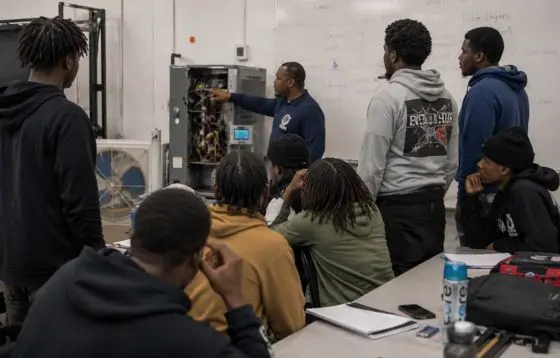
This section is a must-read. Different trades offer different paths and industry-recognized certifications, so it helps to compare options before committing. A quick look at skilled trade training programs available for teens ready to start training:
Moreover, each of these programs runs far shorter than a traditional four-year degree, letting teens start earning sooner.
Most trade training programs, including PTTI’s, generally require a high school diploma or equivalent for enrollment. Therefore, it’s worth planning ahead so teens can transition smoothly from high school into a training program.
Here’s what families should check before enrolling:
Finishing a program with real, industry-recognized certification gives teens a real edge in hiring. Additionally, certifications prove skill directly to employers, without requiring years of prior work experience.
Common certifications included in strong programs:
Finally, these certifications help teens compete confidently against older, more experienced job applicants.
Job outlook in skilled trades requires youth enthusiasm and hard-working youth . According to the U.S. Bureau of Labor Statistics, employment across construction, automotive, manufacturing, and healthcare support trades is projected to grow steadily over the next decade, creating strong long-term opportunity for young workers entering these fields now.
Therefore, teens who start training early position themselves well ahead of rising demand.
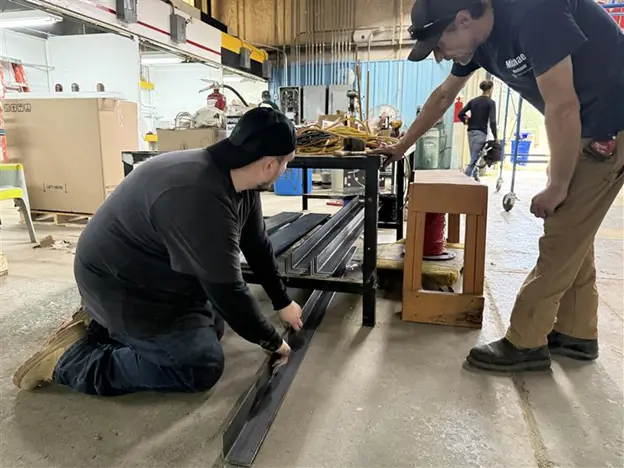
Supporting a teen through trade training looks different than supporting a traditional college path. Families can also play an active role in helping teens succeed.
Here are a few pointers that will help parents redefine the career growth of teens
Therefore, early involvement helps teens stay motivated through graduation.
PTTI programs prepare teens to join the industry workforce. PTTI offers on-campus workshops and hands-on training sessions with modern equipment. Philadelphia Technician Training Institute (PTTI) builds hands-on, workforce-ready training directly into every program. Additionally, coursework like Job Application Skills helps teens build resumes, prepare for interviews, and understand workplace expectations before their first day on the job.
Here’s how enrollment works:
Finally, PTTI reports a placement rate near 92%, meaning most graduates actually land jobs in the field.
Preparing teens for the workforce doesn’t have to mean choosing between college and no plan at all. However, Philadelphia training programs offer a real, practical middle path built on hands-on skill and industry certification. Between shorter timelines, included certifications, and strong job demand, these programs give teens a genuine head start. Overall, workforce readiness comes down to real skills, real practice, and real support along the way.
Ready to join a high-demand, skill-building trade training program for a teen in your life? Contact PTTI at 215-381-9403 or info@ptt.edu to speak with an advisor.
Most programs, including PTTI’s, require a high school diploma or equivalent to enroll.
Yes. Strong programs, like PTTI’s, include dedicated coursework on resumes and interviews.
PTTI programs run about 26 weeks, though some, like HVAC or sterile processing, vary slightly.
Yes. Financial aid is available as ,PTTI accepts FAFSA applications under school code 042213.
Programs may include EPA 608, OSHA 30, AWS D1.1, or CRCST, depending on the trade.
Read More :